
The Transformative Powers of Monstrosity – A List Of Body Horror Films With Trans Allegories
In the spirit of Halloween, here's a list of body horror films which can be interpreted as trans allegories.

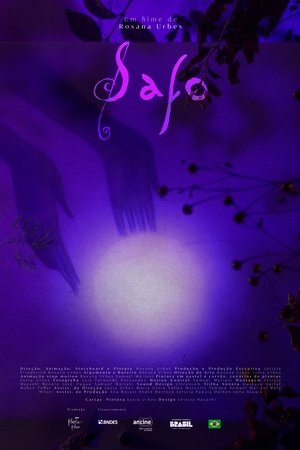


Inspired by fragments of poems by Sappho (Island of Lesbos, 600 BC), the first female author known to the Western World. The narrative alludes to Sappho’s poetic expressions and the multiple readings of her figure throughout history.
In the spirit of Halloween, here's a list of body horror films which can be interpreted as trans allegories.
Inspiring and diverse animated series for the whole family.
While it is more than established that Halston’s life is far from a fairytale, the narrative suffers as a result of the decision to revolve more around sex and drugs than his artistry, it likely does a disservice to his cultural impact by pulling focus from his achievements.
This animated movie focuses on Nick Daley, the son of Larry Daley, as "Kahmunrah Rises Again."
Even after a history changing event, the 93rd Oscars proved it always had the space for more inclusivity in its award ceremony. But it this enough to change the boycott?
Lin-Manuel Miranda’s 'Vivo' is a children's animated musical rich in Hispanic culture! The story follows a kinkajou as he delivers a love song for a friend.