





'The Hunger Games: The Ballad of Songbirds and Snakes'
The enthralling prequel and 5th installment in 'The Hunger Games' film franchise.
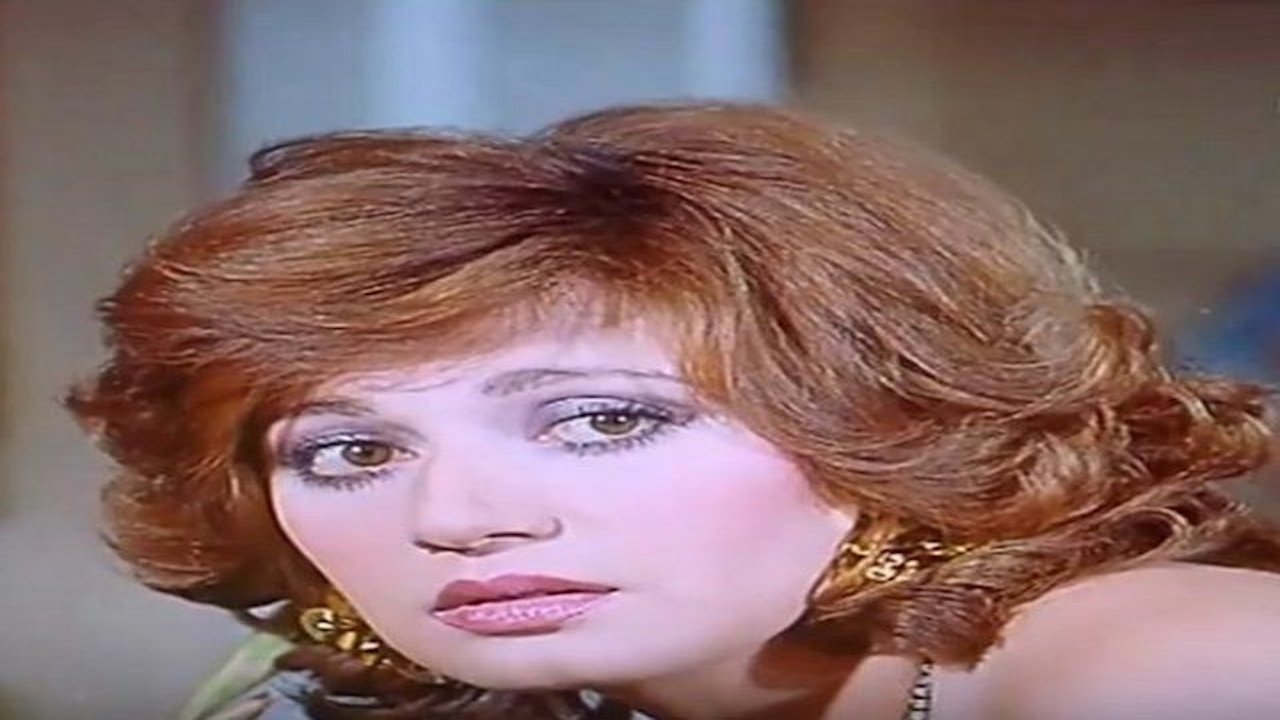
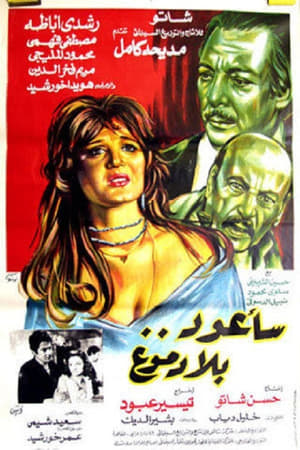


Mahmoud son of Jaber abandons the owner of one of the factories for Hind daughter of Juma the chief worker in the factory, after he promised her to marry, Juma is injured work injury, and loses his arm and work, Jaber refuses to compensate him, and orders his son Mahmoud to stay away from Hind, and when Juma tries to claim his right and the right of his fellow workers, Jaber manages a crime to get rid of him.
The enthralling prequel and 5th installment in 'The Hunger Games' film franchise.
For the entirety of Raiders of the Lost Ark, Marion remains in full control of both her body and her personality, a rarity for female characters at the time of the film’s release. She’s granted depth with personal demons from her past and emotional vulnerability when the situation deems it appropriate for her to grow alongside Indy. She avidly rejects the notion of being anything other than a sassy, humane rebel, and Indy’s equal in every way. This she does while still maintaining her femininity.
Overall, 18 Presents feels more like a soap opera than a drama, and I feel bad for saying that since the concept is based off a tragic story (even though it’s loosely). I’m sure other people will find this film emotional for them, but as for me, it’s bland and forgettable.
Presenting a bold and unapologetic narrative focused on strong Muslim female characters, the show beautifully incorporates punk rock as a feminist movement in their lives.
After the 2018 surprising hit "A Quiet Place" brought something fresh to the horror genre, the announcement of a sequel may have been disappointing to some. A lot of the time, a sequel to an already successful movie is no where near as good as the original. Yet, John Krasinski once again shows that he's much more than Jim from The Office.
Izzy and Prince Thomas learn that taking control of their own destiny requires following their hearts and making their own decisions.