



Dead Poets Society Steals a Queer Story
Dead Poets Society relies on patriarchal tropes such as overbearing fathers, contrived brotherhood, and faux-individuality in order to portray its straight white male characters as oppressed.
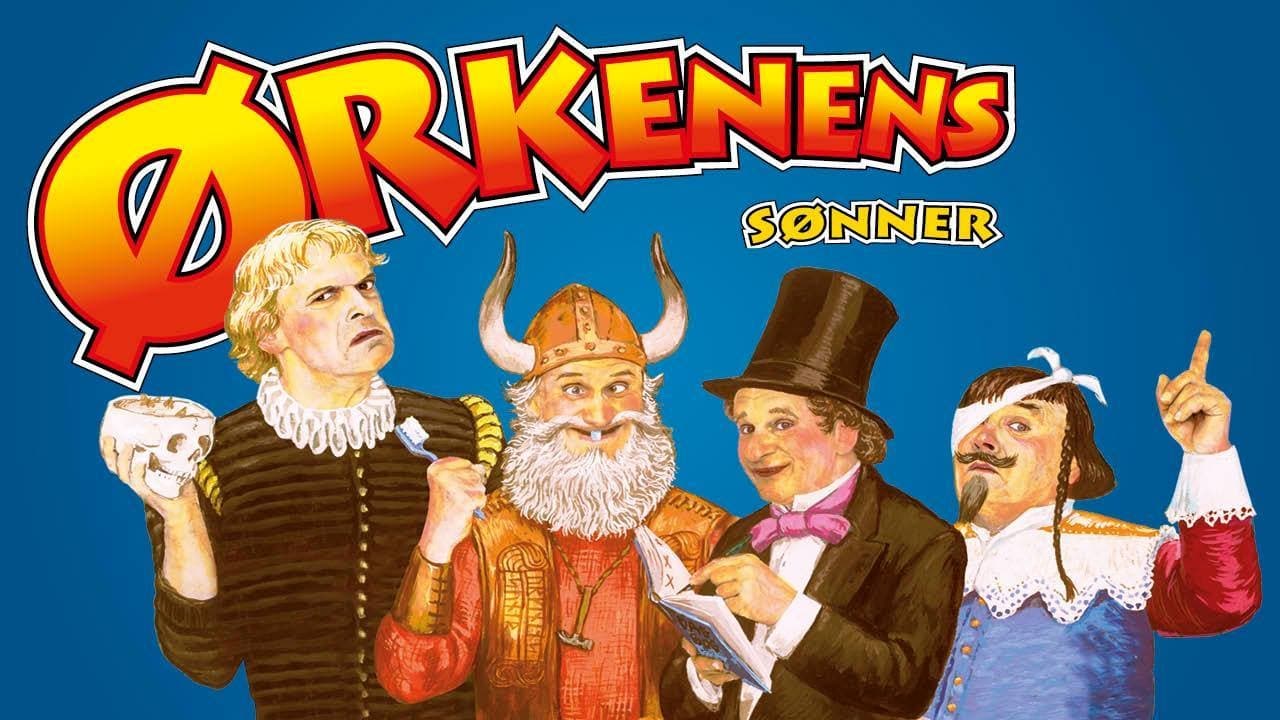
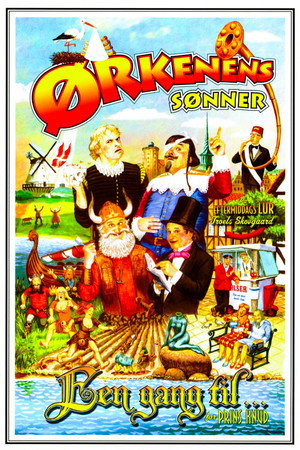


Our old lodge brothers are celebrating their 25th anniversary this year. This is being celebrated with the release of their eighth show! The show was recorded over two evenings in April and has now been edited down to just under two hours of fantastic (sultry) entertainment. The show covers a wide range of topics, and this year we meet the Little Mermaid, the Egtved Girl, the Grovbollemanden, and H.C. Andersen. The show also offers a reunion with Olsen, Meyer, Emma, and pet shop owner Clausen from Huset På Christianshavn itself. In addition, we will see old acquaintances such as Fjertomanen, and we will attend the funeral of Dorthe and Grethe at Gyllegården...
Dead Poets Society relies on patriarchal tropes such as overbearing fathers, contrived brotherhood, and faux-individuality in order to portray its straight white male characters as oppressed.
You can’t talk to my grandpa about The Sopranos. You can’t talk to him about The Godfather either. Merely by bringing up the subject, you’d be treated to a lecture on how movies and TV want you to believe that all Italians are criminals and mobsters. He won’t watch any of it, in protest.
When the retelling of the Cinderella fairy tale and a holiday spirit come together, viewers learn about class issues as well as perseverance despite setbacks.
In Deaf, the Spanish director Eva Libertad explores pregnancy and motherhood from the perspective of a deaf woman. Her movie examines how the world imposes the notion of disability on her main character while she actually does not feel disabled herself.
This horror movie combines elements of horror and babysitting with Black representation.
Amberley Snyder, a young woman whose injury leaves her with a disability, shows viewers that her handicapped state won't stop her from competition.