Autonomy, Motherhood, and Deaf Culture in "Deaf" (2025)
In Deaf, the Spanish director Eva Libertad explores pregnancy and motherhood from the perspective of a deaf woman. Her movie examines how the world imposes the notion of disability on her main character while she actually does not feel disabled herself.
In Deaf, the Spanish director Eva Libertad explores pregnancy and motherhood from the perspective of a deaf woman. Her movie examines how the world imposes the notion of disability on her main character while she actually does not feel disabled herself. Alongside the French movie Read My Lips and the Oscar-winning Children of a Lesser God, Deaf has immediately become one of my favorite movies about the deaf community.
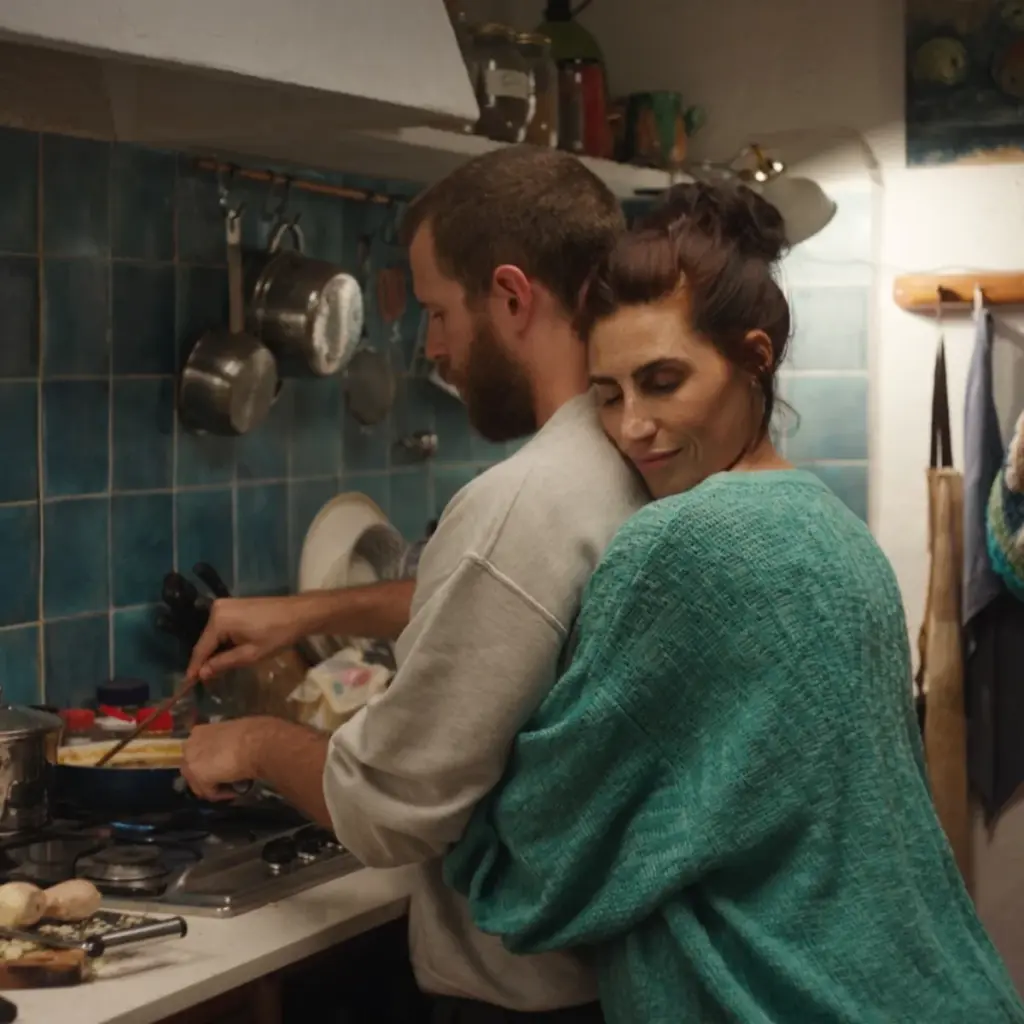
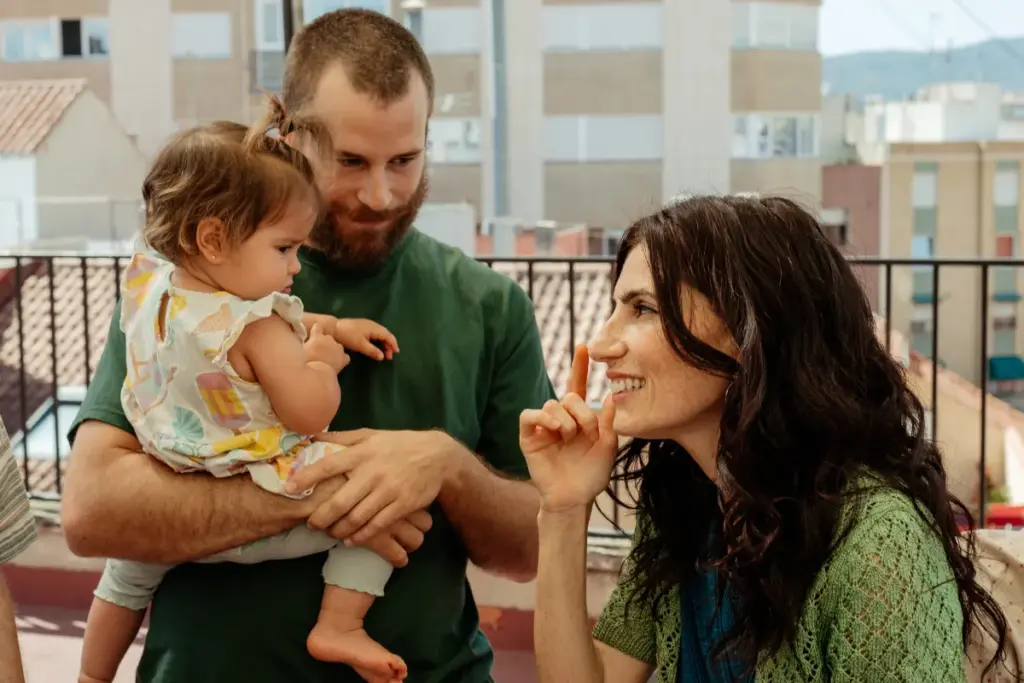
The movie starts with Angela, played wonderfully by the actress Miriam Garlo, who is deaf in real life, and her hearing partner, Hector(Álvaro Cervantes), preparing to welcome their baby into the world. At the same time, it shows the reactions of their family and loved ones. Knowing how difficult it was to raise a deaf child, Angela’s parents are initially hesitant. Their actions betray a silent worry that their daughter’s hearing loss will hinder her abilities as a mother.
Angela’s deaf friends, who have had children of their own, are genuinely happy for her. Among them is a gay couple with a hearing boy. Angela pays close attention to him throughout the film, as doctors told her there is a 50/50 chance her own child will be able to hear. Her close observation highlights a central theme: just as the hearing world treats deaf people as alien and out of reach, the deaf community can view the hearing world with the same sense of detachment and wonder.
Eva Libertad’s movie points out how unprepared the rest of the world is for deaf people. The doctors Angela visits in her prenatal care, the hospital where she gives birth, and the preschool she will eventually send her daughter to are all unprepared to have a direct line of communication with her. She must always be accompanied by someone who knows sign language, which amplifies her sense of isolation and otherness.
I appreciated how Eva Libertad accentuates Angela’s desire for her daughter to be deaf. While a hearing-normative society views deafness as a disability, the deaf community does not share the perspective that they are missing out on life. Instead, they possess a rich language and distinct culture, leading full, autonomous lives without feeling that a lack of sound diminishes their experience. It is the rest of the world that treats the deaf community as if they were children when, in reality, the only superficial veil between the hearing and the deaf is sound.
I loved everything about this film. The cast delivers powerful performances, and the director takes a profoundly empathetic approach to a perspective that hearing people rarely experience. Every technical element is masterful: from the deliberate use and absence of sound to the pacing, camerawork, writing, and luminous settings. Watching this movie has been an incredible, eye-opening experience for me, and I am truly grateful to the filmmakers who show me different points of view on life.