

"Tow" Tells the True Story of a Woman Who Sued the System
Not only does the system prevent upward mobility, but it makes it incredibly easy to slide from comfortably middle class to unhoused.
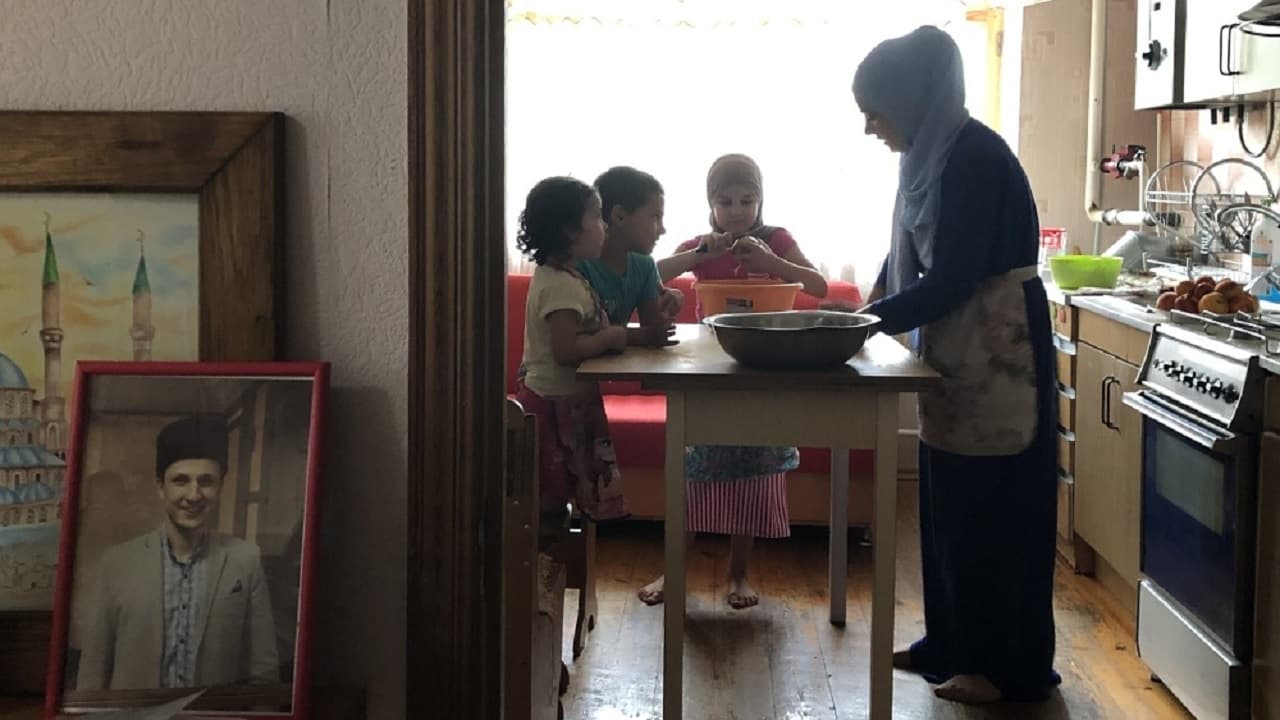



"Behind every strong man is a strong woman!", Mumine shouts as her husband is arrested. She has 4 children, she's in her mid-30s, and she's the wife of a Crimean Tatar political prisoner. Muslim Crimean Tatars have been oppressed for a long time. They were deported under Stalin, allowed to return under Gorbachev, and since the occupation of Crimea in 2014 under Putin, they are being persecuted again. "Return" is a portrait of Mumine and Maye, two strong women struggling with the consequences of oppression. Their traditional understanding of their role as women does not stand in the way of their dedication. They possess strength, beauty and dignity. Only in their most intimate moments, they are overwhelmed by desperate helplessness.
Not only does the system prevent upward mobility, but it makes it incredibly easy to slide from comfortably middle class to unhoused.
The justice system in the United States of America is supposed to operate as you are deemed innocent until proven guilty. But "When They See Us" shows what happens for Black people is they are deemed guilty until proven innocent.
Evan Goldman, a child of divorced parents, is planning a memorable bar mitzvah for his 13th birthday. However, middle school has a few obstacles along the way.
"Abominable" is an exciting story for children and a great step forward for positive Asian representation.
Hours before their line-up of screenings for Trans Awareness Week began, the filmmakers of 'When Men Were Men' chatted with me about the film's personal exploration of masculinity.
This is not a film, it’s a drop tower. A drop tower that you don’t get off of for the vast majority of its 106-minute runtime.