







Reflecting on 'The United States vs. Billie Holiday'
Lee Daniels’s Billie Holiday biopic The United States vs. Billie Holiday was released on February 26th, 2021, and my immediate reaction to it was one of discomfort.
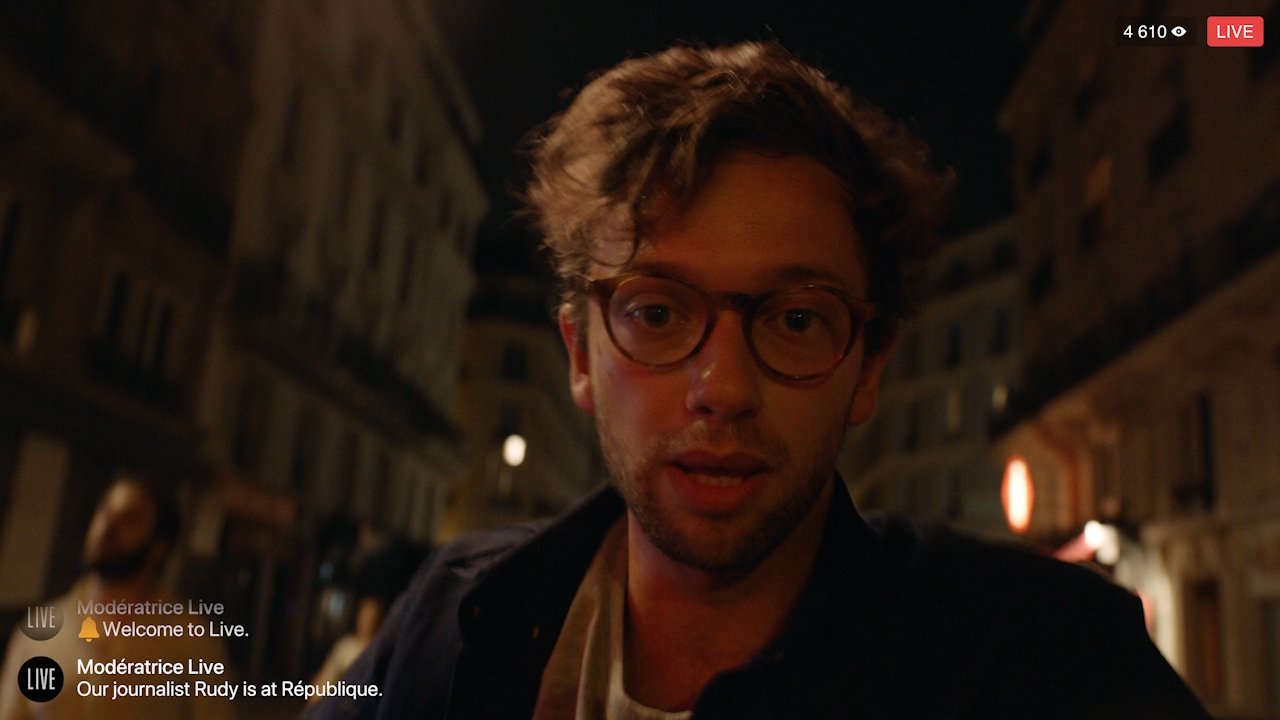
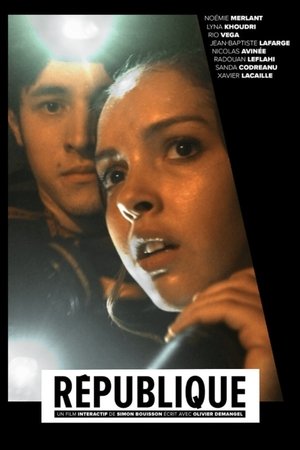


10pm on a summer's evening. The sun goes down over the Place de la République in Paris. Lucie and Rio embark on an "urbex", descending into the city's abandoned underground networks. The two teens share their adventure live on social media. On a subway platform, two young lawyers are on their way to join some friends. They film themselves as they wait for the train. Nora and Djibril have just made love. While he heads off to work, she meets a friend for the evening. None of them yet know it, but moments later, a terrorist attack will change their lives, linking their destinies forever. In a few moments, they are about to enter the darkness. The fiction unfolds through three simultaneous video feeds, filmed on cellphones and available to all via social media.
Lee Daniels’s Billie Holiday biopic The United States vs. Billie Holiday was released on February 26th, 2021, and my immediate reaction to it was one of discomfort.
A world of expansion awaits.
I love The Last Jedi. I don’t think there has been a Star Wars movie in quite some time that brought something new, something fresh to the table.
After years of silence, trauma, and backlash, Rose McGowan tells her own story in this miniseries.
Love, Simon (2018) based on the book “Simon vs The Homo Sapiens Agenda” (by Becky Albertalli) is a teen LGBTQ+ rom-com with themes of longing to find others with similar struggles, and ultimately is a story of acceptance of identity from those around you, and most importantly, from yourself.
A direct fall into the white savior narrative