Red Fields
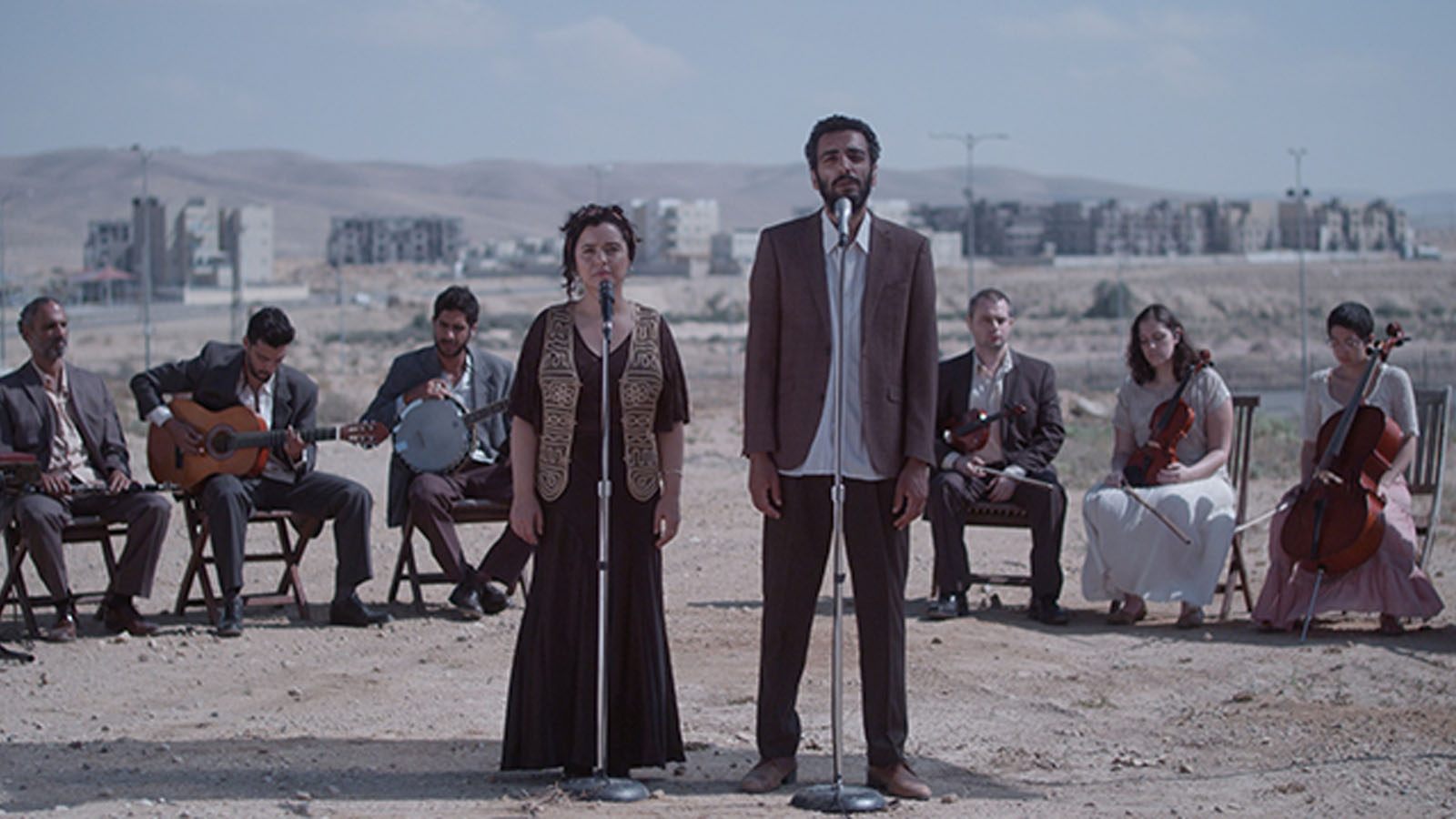
Based on the 80s Israeli rock opera “Mami” that generated a cult following. This is the story of Mami, a young woman who was born and raised in a small impoverished town down south. She works at the snack bar at the local gas station and is in love with Nissim, her neighbor. Nissim falls into a coma, but Mami doesn’t give up. Eventually her brain gets rewired by eccentric inventor and she becomes a media superstar. Mami establishes a satirical circus and new political party.

- / 5
PopScore
Representation
Pictures and Videos

Movie Information
Based on the 80s Israeli rock opera “Mami” that generated a cult following. This is the story of Mami, a young woman who was born and raised in a small impoverished town down south. She works at the snack bar at the local gas station and is in love with Nissim, her neighbor. Nissim falls into a coma, but Mami doesn’t give up. Eventually her brain gets rewired by eccentric inventor and she becomes a media superstar. Mami establishes a satirical circus and new political party.
Rating:
Genre:Music
Written By:Keren Yedaya
In Theaters:
Box Office:
Runtime:96 minutes
Studio:United King Films, Amour Fou Luxembourg, Riva Film, Transfax Film Productions


Articles You May Like
'Meshes of the Afternoon' Enters the Realm of Sci-Fi
Many have interpreted Maya Deren’s Meshes of the Afternoon as a dream sequence, but what if the repetitive scenes we are given are not dreams but, a time loop.
'Bullet Train' Review: Stereotypes Galore!
The assassins in Bullet Train are quirky, deadly, and diverse. Yet, they all seem to be some type of caricature. While the movie is fun and action-packed, it’s also packed with stereotypes that don’t make for the best representation.
"The Roses" (2025) Film Review-Marital dysfunction offers plenty of hubris AND humor this time around
Remakes. Reboots. Reinventions. Redundancy. It's the common practice in Hollywood of late, sometimes offering us victorious reimagining of what can be considered cinematic classics while also, more often, falling flat on their UN-imaginative faces in utter defeat and lackluster results. Admittedly, with this in mind, I went into the newest incarnation of "The War of the Roses" with typical trepidation and cautious optimism.
A Useful Ghost: A New Modern Classic
The classic ghosts-in-revenge story expanded into an extensive dig into the historical social system while being funny and horny.
10 Movies Depicting the Lives of Ordinary Women in Historical Europe
One of the reasons I love watching movies is that, much like books, they serve as windows into other times and different places. Productions from around the world offer valuable insights into the history and culture of their respective countries. And just like literature, cinema can help us understand the present by showing us the past.