
The Wonder Years (2021 TV series)
This reboot of The Wonder Years is told from the lens of a Black man.
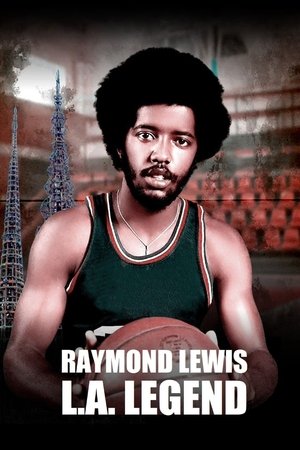


I was able to review the film “Raymond Lewis: L.A. Legend” by producer and director Ryan Polomski. I have to say that I was very much enthralled by the documentary and seeing a historic figure’s rise and fall encapsulated in one segment of film was nothing short of amazing.
It revolves around the courageous and incredible story of Basketball player Raymond Lewis that chronicles his time on the court and his ultimate downfall.
Producer and director Polomski has crafted a whirlwind of a documentary that demands to be seen by the mainstream consciousness. Its gravitas and easy-going nature contribute to the film’s mesmerizing execution.
While many documentaries might gloss over facts and details to make their subject look more stoic and heroic, this documentary does not mind sharing the gritty and harsh reality that Lewis had to struggle with. The work doesn't try too hard either and makes for interesting viewing, almost like watching it on A&E or Netflix, where it belongs for the maximum amount of exposure.
It’s just sad to see that Raymond Lewis’ life did not get the credit that it deserved when he was alive and well, playing basketball.
The film is currently playing on TUBI, Roku and VUDU.

A critically acclaimed documentary that tells the incredible story of a basketball phenom from Watts, California whom many believe was blackballed from the NBA in the’70s – and his unlikely and heartbreaking journey in becoming a hoops legend.
This reboot of The Wonder Years is told from the lens of a Black man.
This article will cover why this film is categorized as a documentary and concert film.
Baggage’s experimental mixed formats visualized a woman’s brave inner journey of visiting the museum of her fragmented memories.
Shortly after season two of Fleabag dropped on Amazon Prime in 2019, Barack Obama put it on his list as one of his favorite television series of the year.
The story of the singer's career in her Sweetener World Tour is told in this featured documentary film.
Although not canonically aromantic or asexual. the stories and personalities of these Disney princesses resonate with members of the aroace community.