








Parasite and Capitalism: What the Film Says About the Pursuit of Wealth
Bong Joon Ho’s masterpiece, Parasite (2019) became one of the few international films to break into the American mainstream.

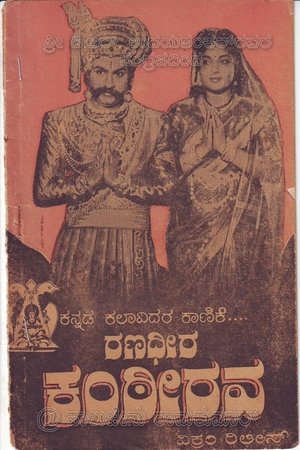


Ranadheera Kanteerava is a 1960 Indian Kannada-language historical drama biographical film directed by the editor-turned-director N. C. Rajan and written by G. V. Iyer. It is one of the most popular films of acclaimed Kannada actor Rajkumar, who plays the role of an emperor Kanthirava Narasaraja I of the Wodeyar dynasty, Mysore, who was fondly named as Ranadheera Kantheerava. The film depicts the life of Kanteerava, who is known for his immense physical strength through wrestling. The film was credited to be one of the most authentic historical films made, since it was entirely based on the documents found in the Mysore Palace. The film also stars Udaykumar, Leelavathi, K. S. Ashwath and Sandhya in prominent roles.
Bong Joon Ho’s masterpiece, Parasite (2019) became one of the few international films to break into the American mainstream.
An Indonesian film that brings strong representation of Asian descent in this heart-warming tale of a woman and her dog.
A best friend that will stick with you to the end, on a group trip from hell, is someone to die for.
A surprise sequel takes place ten years after the original movie based on the title of the same name, but with a twist to the fairy tale.
In Amazon’s new shark flick, The Devil’s Mouth, terrible tourists finally get their comeuppance while two estranged best friends must overcome their petty squabbles to survive as the rest of their party gets chomped one by one. While it’s by no means an Oscar winner, The Devil’s Mouth is good old fashioned shark week carnage with a tourist critical twist, perfect with popcorn, a friend, and a healthy does of schadenfreude.
Tran Quoc Bao succeeds in telling us a story about martial arts, human decay, and friendship. The originality shown by his filmmaking is admirable and brings fresh air to the classic Chinese martial arts genre.