







A Conversation With the Filmmakers of 'When Men Were Men'
Hours before their line-up of screenings for Trans Awareness Week began, the filmmakers of 'When Men Were Men' chatted with me about the film's personal exploration of masculinity.
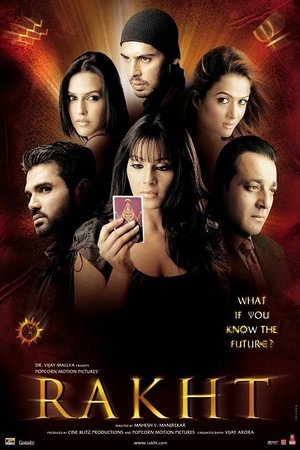


Drishti, a psychic tarot card reader becomes unwittingly mixed up in the disappearance and possible murder of a socialite.
Hours before their line-up of screenings for Trans Awareness Week began, the filmmakers of 'When Men Were Men' chatted with me about the film's personal exploration of masculinity.
With The Father, writer-director Florian Zeller- who wrote and developed the play upon which the film is based- pulls no punches as he confidently makes every effort to put the audience in the mind of someone whose grip on reality has all but vanished. It’s a dazzling testament to Zeller’s abilities as a director as he makes his first transition from stage to film appear as if he’s been working behind a camera his entire career. The dialogue he fashions with co-writer Christopher Hampton, along with the work of production designers Peter Francis and Cathy Featherstone, collectively makes the downward spiral of dementia startlingly tangible, doing so in a way that can be comprehended by everyone except the person it directly affects.
True crime media is notoriously obsessed with the “missing white woman” trope, and yet the vast majority of American murder victims are male, and well over half are people of color.
Wes Anderson offers a light-hearted comedy in the Middle East centering around Catholic motifs.
“To be universal, you have to get specific”: while the film does not attempt to provoke discussions about queerness or race, those watching closely may find something resonant in Sorrentino’s love letter to the Naples of his youth.