

Why Mean Girls 2 Is Considered a Big Flop
A teen comedy that nobody wants to see.
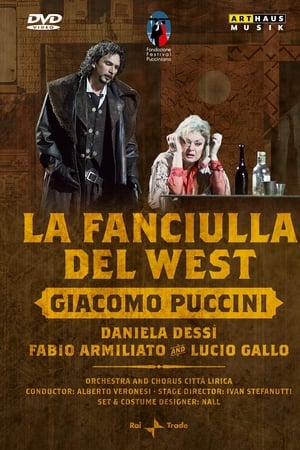


The 51st Puccini Festival in Torre del Lago opened with a new production of an opera that is perhaps the composer‘s most underestimated work: “La Fanciulla del West” – often dismissed as a mere „western opera“. The musical director was Alberto Veronesi, artistic director of the festival. Ivan Stefanutti was the stage director, with spectacular sets by American painter Nall and an all-star cast including Daniela Dessì and Fabio Armiliato (the singers are regarded as two of the leading interpreters of Italian soprano and tenor roles) and the baritone Lucio Gallo.
A teen comedy that nobody wants to see.
The social issues The Half of it takes on are handled well, between the antagonization brought on to Ellie for her race and the conflict that arises from her being gay. Both aspects of her character are built up over the course of the film and don’t seem abrupt or rushed. The film shows racism towards Ellie and her and father in varying levels, from having her schoolmates specifically address her as "Chinese girl” to the fore mentioned way her Dad is treated due to language barriers. The same can be said about Ellie being a lesbian. While she never truly “comes out” in the narrative, that does not undermine her journey of self-discovery from being meaningful. These ideas aren’t thrust upon the viewer in a preachy manor, the scenarios that occur feel believable given the rural setting. The film presents watchers with problems whom those like Ellie may face, and leaves us to sit with them and reflect.
In 'Little Boxes," an interracial family moves to an all-white town where they face the judgement of others who have never been exposed to people of color before.
Spoiler Warning
Dead Poets Society relies on patriarchal tropes such as overbearing fathers, contrived brotherhood, and faux-individuality in order to portray its straight white male characters as oppressed.
Yes, "Nope" is definitely about the modern obsession with turning tragedy and horror into a spectacle for people’s enjoyment. But it's also about the power of looking, who has the right to look, and what happens to those who are looked upon.