


Dead Poets Society Steals a Queer Story
Dead Poets Society relies on patriarchal tropes such as overbearing fathers, contrived brotherhood, and faux-individuality in order to portray its straight white male characters as oppressed.
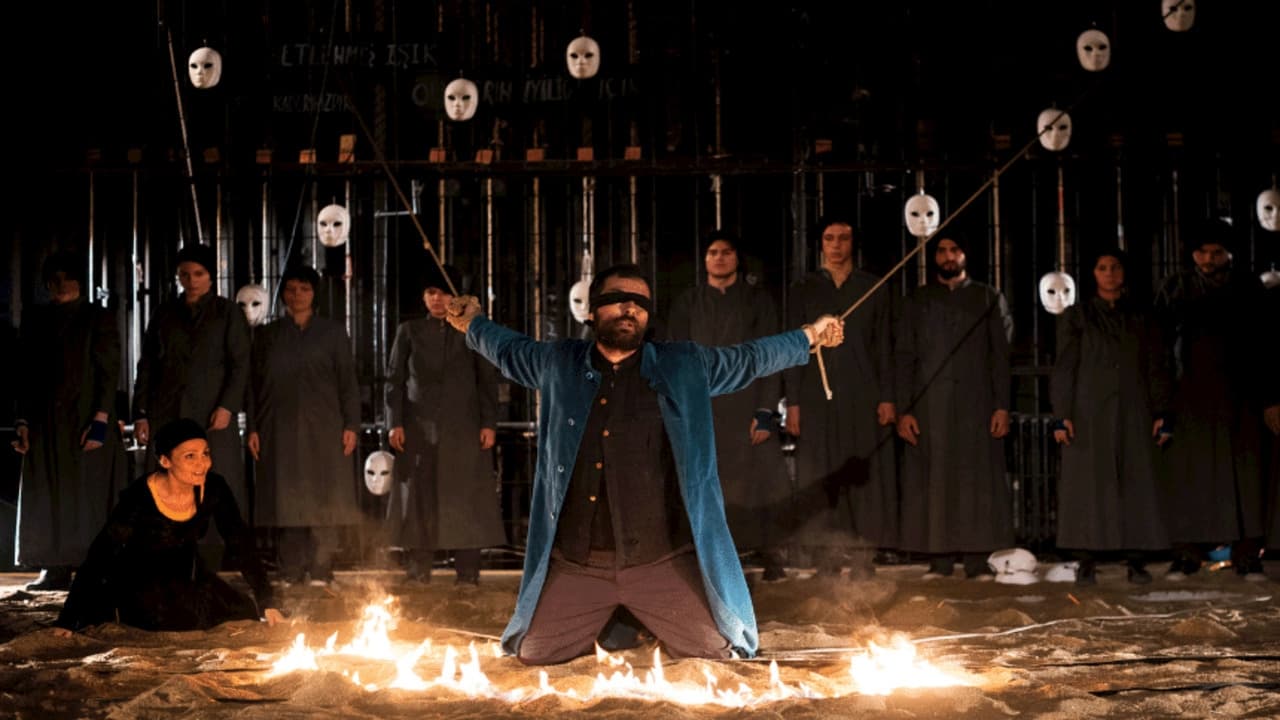
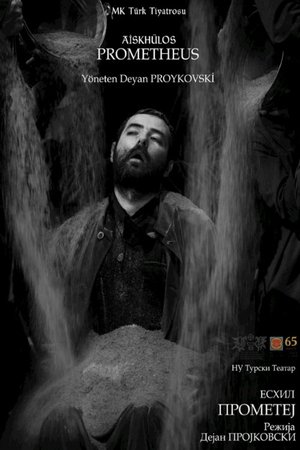


Prometheus, the titan who rebelled against the Olympian gods, stole fire from the gods and gave it to humans. Fire is the foundation of civilization. Humanity thus emerged from dark caves. They discovered science, writing, enlightenment, heating, various medicines in the field of health, and the domestication of wild animals. In short, Prometheus' act paved the way for humanity's civilization, liberated humanity, and provided the means for humanity to use its intellect. Zeus punished Prometheus for defying the order established by the gods, and Prometheus was subjected to various punishments and tortures for the sake of humanity.
Dead Poets Society relies on patriarchal tropes such as overbearing fathers, contrived brotherhood, and faux-individuality in order to portray its straight white male characters as oppressed.
The height of subversive horror cinema is Jennifer’s Body. No, I will never budge on that. Yes, Cabin in The Woods is funny, Scream is very well made, and the Scary Movie franchise is …. there. But nothing is quite as satisfying as watching the teenage succubus that is Jennifer Check rip apart boys. In the post #metoo era where the industry is far from changed, watching revenge flicks like these is probably one of the most cathartic experiences due to the slow-moving progress being made.
Tarantino's alternative history of the 1960's uncritically repeats the era's sexist and racist stereotypes.
Tara Thorne’s film is equal parts emotional and comedic, illustrating the beauty and the pain of long term relationships.
What makes a person different, and who is considered normal? Based on a true story, The Unbreakable Boy follows the life of Austin LeRette, a young boy with autism and osteogenesis imperfecta, as he navigates daily life with optimism and resilience.
... La huesera haunts her daily life, leaving people to question her viability as a mother, and Valeria’s lack of satisfaction with her life leave her asking similar questions. These misgivings reach their peak after the baby is born, when Valeria, visibly in a state akin to possession, locks her in the fridge when she won’t stop crying through the night