


“Uncle Frank”: Acceptance and Queer Representation
Growing up with a lot of siblings, young Beth felt ignored her immediate family. Uncle Frank made her feel seen, heard, and accepted.
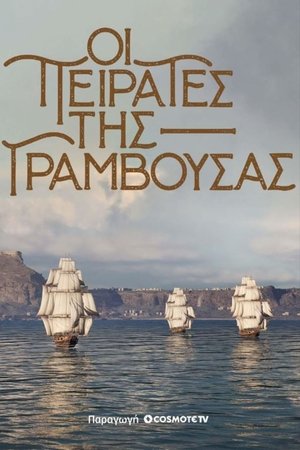


Gramvousa. A stronghold of conquerors, a pirates’ den or a charging point for freedom fighters? How can a small, barren islet keep so many secrets? Dimitris Gotsopoulos takes us on a fascinating journey of discovery in the backdrop of the Aegean, where nothing is as it seems and roles keep shifting. Just like in any good story.
Growing up with a lot of siblings, young Beth felt ignored her immediate family. Uncle Frank made her feel seen, heard, and accepted.
An action film led by two queens, fighting for what they believe in through power and pain.
The concept of male fragility is explored (interestingly, by a male director) in The Sun Never Sets
With The Father, writer-director Florian Zeller- who wrote and developed the play upon which the film is based- pulls no punches as he confidently makes every effort to put the audience in the mind of someone whose grip on reality has all but vanished. It’s a dazzling testament to Zeller’s abilities as a director as he makes his first transition from stage to film appear as if he’s been working behind a camera his entire career. The dialogue he fashions with co-writer Christopher Hampton, along with the work of production designers Peter Francis and Cathy Featherstone, collectively makes the downward spiral of dementia startlingly tangible, doing so in a way that can be comprehended by everyone except the person it directly affects.
While prioritizing production value over substance, Flood depicts an emotionally taut family drama set during the farmland flooding of the Franco-Dutch war.
Elio could be seen as fantastic piece of representation, showing lonely children who feel ostracized that they are not alone. That is, unless you look behind the curtain.