



"A man has got to see his face." Horror Noire: A History of Black Horror
This documentary moves chronologically through Black representation in horror films, revealing the genre's connections to Black history.

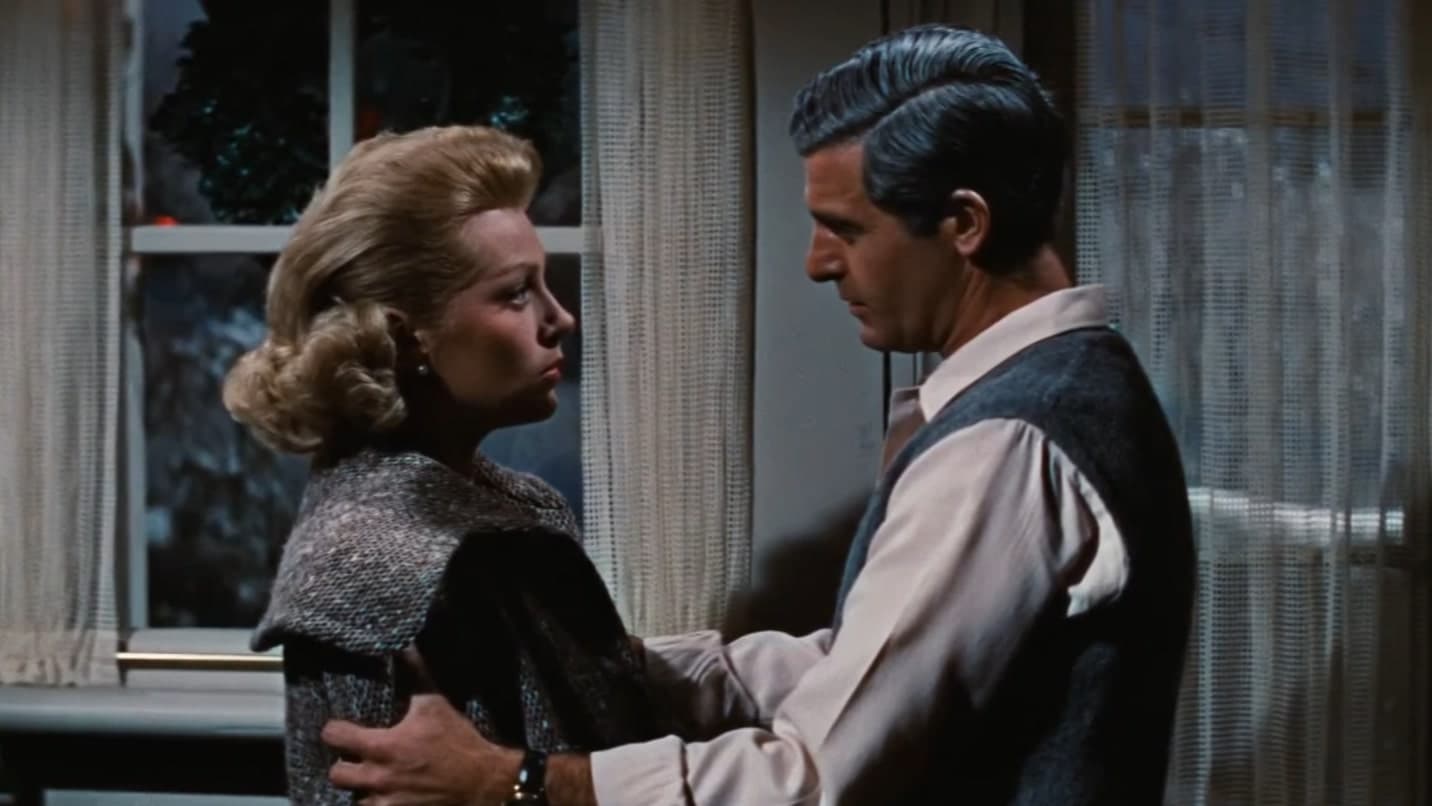
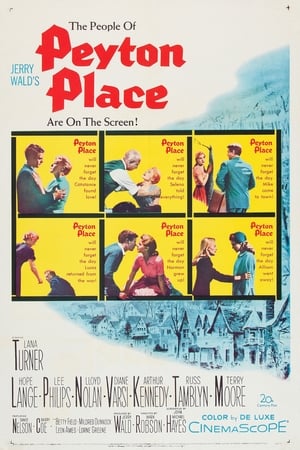
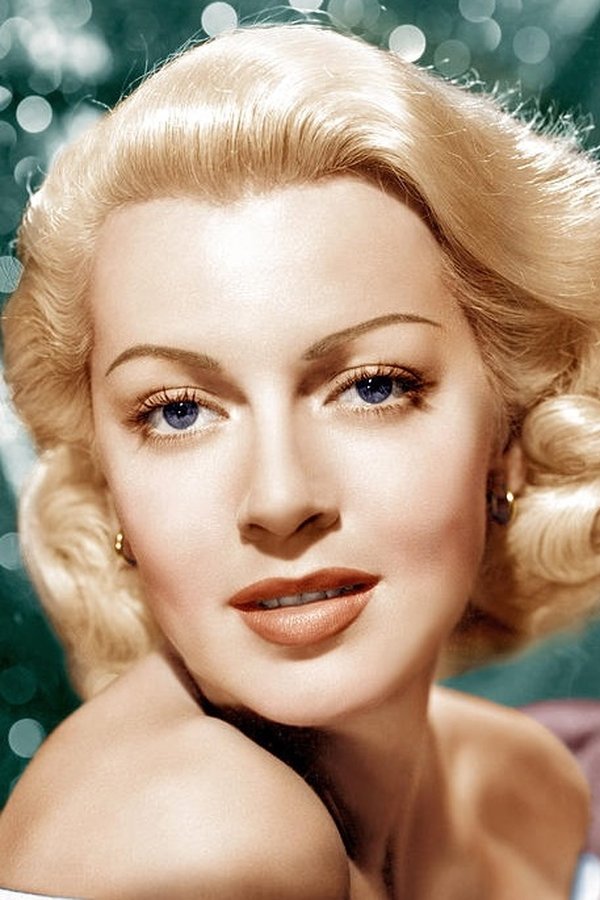
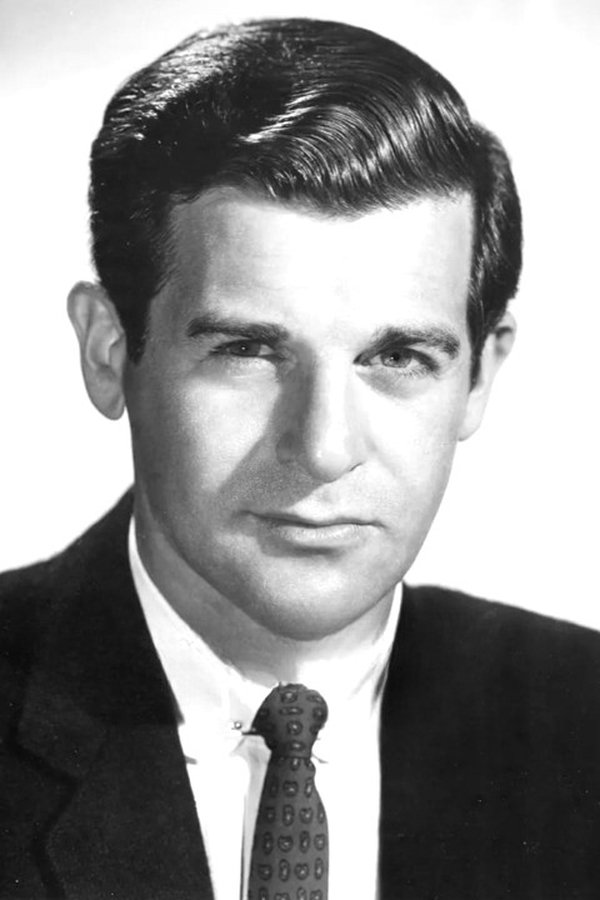
In the outwardly respectable New England community of Peyton Place, shopkeeper Constance McKenzie tries to make up for a past indiscretion -- which resulted in her illegitimate daughter Allison -- by adopting a chaste, prudish attitude towards all things sexual. In spite of herself, Constance can't help but be attracted to handsome new teacher Michael Rossi. Meanwhile, the restless Allison, who'd like to be as footloose and fancy-free as the town's "fast girl" Betty Anderson, falls sincerely in love with mixed-up mama's boy Norman Page.
This documentary moves chronologically through Black representation in horror films, revealing the genre's connections to Black history.
'Reservation Dogs' is stacked with an array of Native American performers and crew telling their own story.
I highly recommend Dark Waters. It’s a highly engrossing picture, which lends itself to cautionary storytelling. The dark information continually grows, inspiring change and accountability altogether. Overall, Haynes’ picture will not be known for its inclusiveness--but it will be known for being a fantastic, engrossing film.
It’s not often in America that you turn on the TV and see a show or a movie with a Muslim protagonist. And when they do, they're usually a negative stereotype. Ms. Marvel changes all of that.
This list was made with the intention of celebrating comedic craft and a love of seeing more women of colour and newcomers on the scene.
Stevan Lee Mraovitch’s film is a beautiful tribute to family, found family, and the lengths people will go to support their loved ones.