

Involuntary Self-Isolation: Stranded On a Desert Island in “Sweetheart”
Sweetheart provides a stark example of self-isolation taken to its extreme.
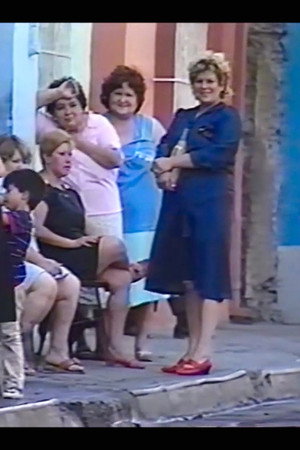


Valuable documentary about the life conditions of female sex workers in Santiago de Chile in 1986
Sweetheart provides a stark example of self-isolation taken to its extreme.
There’s enough evidence to insinuate that What We Do in the Shadows is intentionally queer-coded.
Barry Jenkins' masterpiece holds up as the story of a lifetime centered on the intersection of Blackness and gay identity.
A recent look at gender and racial diversity in film shows some signs of progress. However, white men still make up the vast majority of actors and directors in top-grossing films.
We chat with Penelope Lawson about her short film, The Dinner Party, her experience founding her own production company, and fun cinema.
Sorry to Bother You ultimately speaks to the unfair advantages that the country’s power structures award to those with the resources to control others, as Lift’s easy access to the media allows his opinion to be the only one that matters in the eyes of the unsuspecting and easily impressed public. Moreover, it reveals the extent to which the American Dream has any true validity. It postulates how the promise of success and fulfillment as promoted by the American Dream more often than not leads to the undoing of the individual. Interestingly, in its revealing of the American Dream as merely a facade, Sorry to Bother You wisely questions whether or not anything can really be done to undo a system that has been accepted and in action for centuries.