

"In the Heights" Review
Lin-Manuel Miranda's Tony-winning musical translates beautifully to the screen.
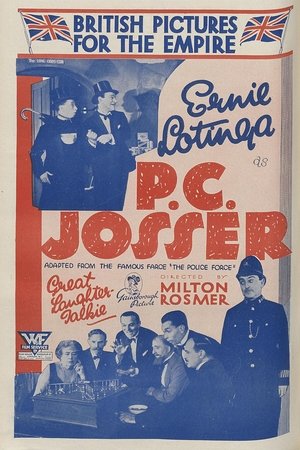


The fumble fingered Josser finds himself thrown off the police force for his constant bungling, but by the picture's end, he manages to redeem himself by breaking up a ring of crooks who have been fixing horse-races by doping up the horses.
Lin-Manuel Miranda's Tony-winning musical translates beautifully to the screen.
'The Lost Daughter' doesn't paint over the choices Leda and Nina make as mothers as right or wrong but examines the messy in-between.
The live-action remake brings adventure and shows viewers why representation is important in a Disney Princess movie.
Marvel's Moon Girl and Devil Dinosaur shine as they battle their way through supervillains, social issues, and school bullies on the Lower East Side. Moon girl magic in the moonlight! A must-see for all Marvel and fantasy/science fiction fans.
The “gay best friend”, an age-old trope, has been done in countless films and television series. Ranging from one-note (Sex and the City's Stanford and Mario) to nuanced (Unbreakable Kimmy Schmidt's Tituss), the gay best friend exists to support and advise the main protagonist, with their conflicts swept to the side.
The character of Mulan is one of Disney’s best heroines. She’s brave, kicks butt, and has a kill count. What other Disney character has killed hundreds of Huns by crushing them with an avalanche? No one.