
New Mean Girls
This 2024 musical film is based on the Broadway show and the 2004 film of the same name with major differences.
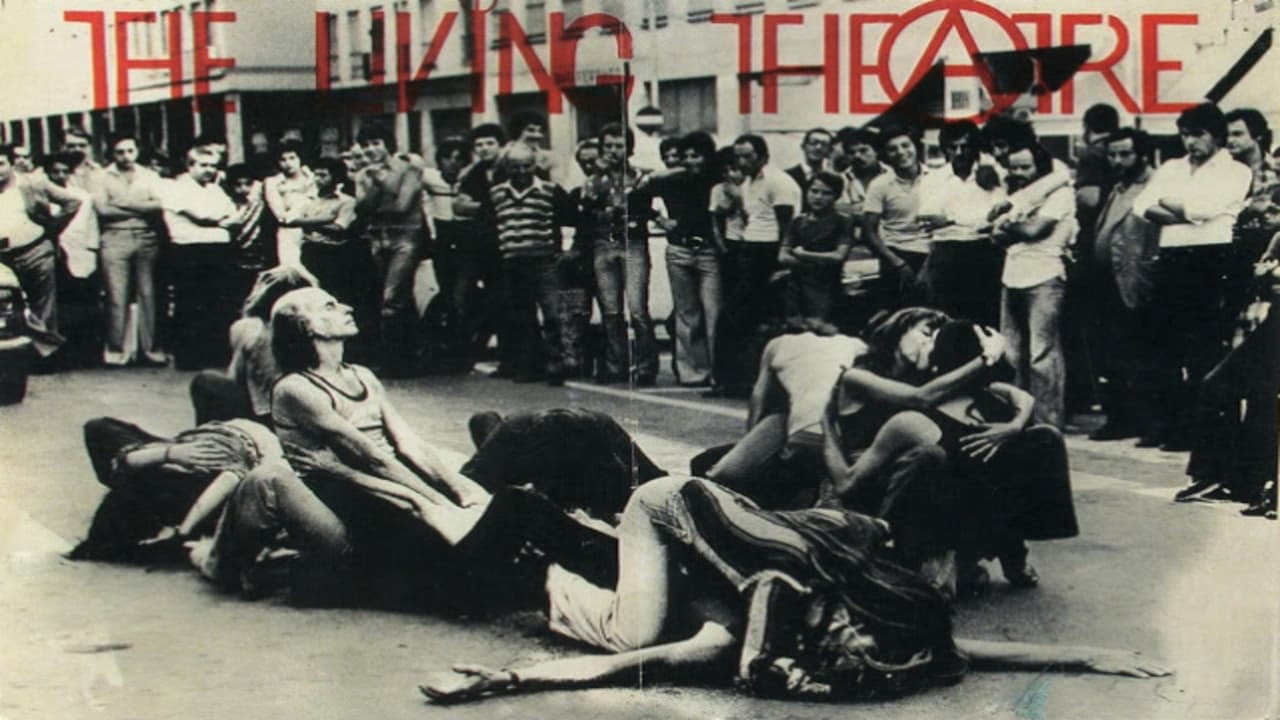
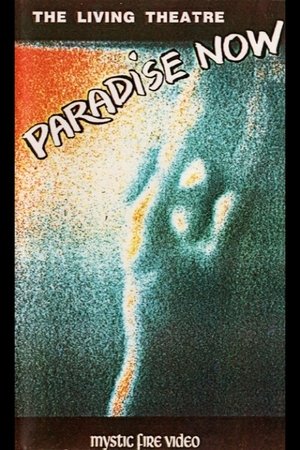


At least forty films have been made about the Living Theatre; it remained to the American underground filmmaker Sheldon Rochlin (previously responsible for the marvellous Vali) to make the 'definitive' film about one of the most famous of their works, Paradise Now, shot in Brussels and at the Berlin Sportpalast. Made on videotape, with expressionist colouring 'injected' by electronic means, this emerges as a hypnotic transmutation of a theatrical event into poetic cinema, capturing the ambiance and frenzy of the original. No documentary record could have done it justice.
This 2024 musical film is based on the Broadway show and the 2004 film of the same name with major differences.
A bumpy journey about revolution and family makes us feel fear, disgust, humor, and satisfaction.
In this short film, writer/director Nikita Hattangady focuses on Jai, a starving artist rooted in the latter category. Though unhoused, he works hard.
Writing great villains is about striking a balance between charming and evil, so we love them but also love to see them lose.
This Halloween movie is based on the toy line of the same name.
Between its problematic nature, its lack of originality, and the senselessness of its violence, Onslaught cannot be recommended in good faith.