


We Are Pat (2025): Reclaiming a Controversial 90s Icon
Can a piece of bad representation truly be reclaimed? We Are Pat (2025) attempts to answer this question.

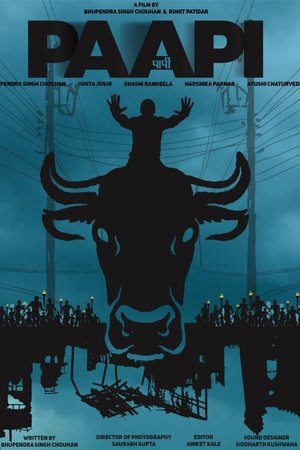
When Ramesh marries Kusum and hopes to have a better future, things don't go well and in a series of events a cow is accidently killed in his fields. Ramesh has to live in exile as a part of the punishment. Punishment takes a toll on the couple and Ramesh descends into madness. Slowly animals and human die in the village and people blame Kusum because of her past. A pandemic hits the village and villagers had to flee. Having served his sentence Ramesh returns to the empty village like a king.
Can a piece of bad representation truly be reclaimed? We Are Pat (2025) attempts to answer this question.
The “gay best friend”, an age-old trope, has been done in countless films and television series. Ranging from one-note (Sex and the City's Stanford and Mario) to nuanced (Unbreakable Kimmy Schmidt's Tituss), the gay best friend exists to support and advise the main protagonist, with their conflicts swept to the side.
Mai yells what every parent dreads hearing from their child: “tao ghét mày” (“I hate you”) and runs from the scene, where Hai discovers that Mai was telling the truth about the wallet.
We’ve always known that Edgar Wright is a mixologist when it comes to blending sound, light, colour, and texture. This is especially true in the first act of the film. In fact, all of my positive feedback is directed exclusively at the first act of this film.
Avatar: The Last Airbender's success fifteen years after its premiere proves the enduring power of its storytelling. But it's more than just a quality show.
Films can alleviate alienation by presenting realities where the viewers feelings are shared by onscreen characters. 'The Little Mermaid" film can be interpreted as a transgender story.