

Diversity Programming At The Austin Film Festival
Coverage from the Austin Film Festival, highlighting some panels and films that emphasized the importance of diverse and inclusive storytelling.
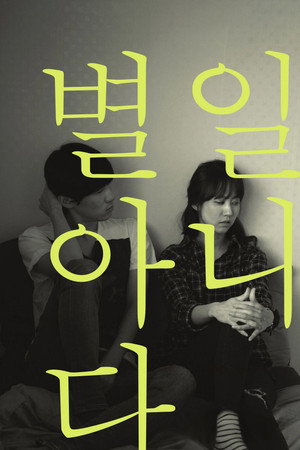


The day Sang-seok's friend and Mi-so's boyfriend Jeong-woo tries to kill himself, Sang-seok can't take it because he is worried about Mi-so. He spends the night with her because she's doesn't feel right and stops contacting Jeong-woo from that day on. A while later Sang-seok runs into Jeong-woo with Mi-so by his side and can't help but feel jealousy and betrayal. He realizes himself and Mi-so have been roaming around the same spot and writes a scenario about the two of them spending a night together and offers her the leading role. Will this movie starring Sang-seok who's always waited to be chosen and Mi-so who was a kid actress, bring them a special time?
Coverage from the Austin Film Festival, highlighting some panels and films that emphasized the importance of diverse and inclusive storytelling.
A boy named Max experiences adventure within his own house while staying home alone.
I compiled a list of women’s basketball movies and documentaries so that every type of fan can find their new favorite watch.
This emotional, frightening, and dreamlike story examines the ways actresses are exploited in the name of art.
Based on a true story, this sports movie is centered around a college football player.
Nick Rowland’s She Rides Shotgun is a blistering, blood-soaked road thriller that doubles as a bruised love story between a haunted ex-con (a career-best Taron Egerton) and the daughter he barely knows (astonishing newcomer Ana Sophia Heger). Fueled by white-knuckle chases, razor-tense shootouts, and quiet moments of aching tenderness, the film captures both the terror and fragile beauty of survival. It’s gritty, heartbreaking, and unforgettable—a father-daughter odyssey destined to leave audiences shaken.