
The 'Bigfoot Family' is Back in Town
The sequel following The Son of Bigfoot explores Adam's conflict of discovering his true identity as he tries to save a wildlife preserve.
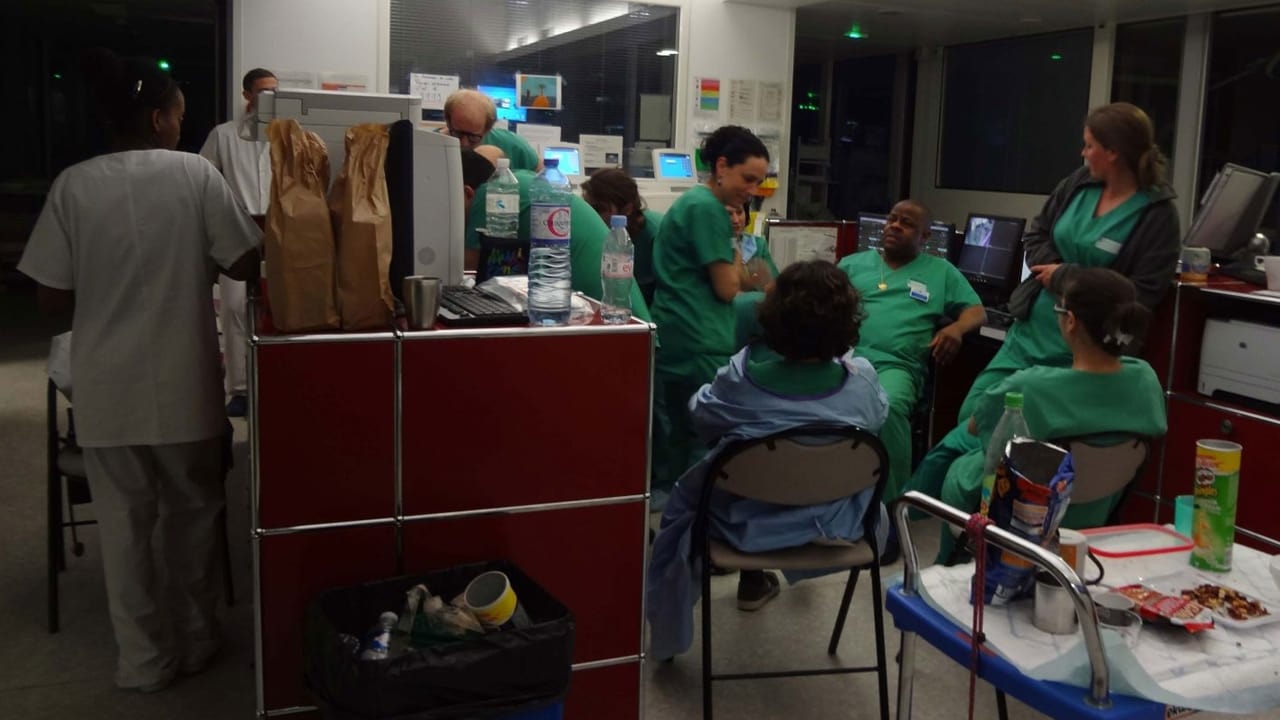


Many people live out their final days inside of a hospital, and in France, intensive-care personnel are becoming society's undertakers. Going behind the closed doors of an intensive care unit, this project uncovers the rhythms of daily life for health-care professionals. As it moves through their routines, their atmosphere and their conversations, it immerses viewers in the intense demands of confronting and “managing” death on a day-to-day basis. In France, we die in hospital, often in intensive care. Why ? Because this highly technical discipline concentrates the last hopes of our civilization which no longer wants to die. Caregivers, despite being trained to save lives, are on the way to becoming the undertakers of our society. This is not without consequence. By staging their words, their daily lives in the service, our project tells of the difficult confrontation with the end of life by the caregivers who manage it every day.
The sequel following The Son of Bigfoot explores Adam's conflict of discovering his true identity as he tries to save a wildlife preserve.
Cassie, a musician, and Luke, a man serving in the Marines, form a false relationship and keep it a secret.
Throughout Brendan Fraser’s career, he has played a plethora of unique, layered characters who explore the importance of not being afraid to display your emotions, something that is often seen to not be a masculine trait. This idea of regulating emotion and what traits men are able to possess creates a toxic atmosphere for men who are often told they should not cry or represent their emotions in any physical way. These characters represent that men can be joyful, emotionally conscious, and sensitive, while also representing their masculine identity instead of painting those qualities as fighting against their masculinity.
Much more than a meme, 'Barbenheimer' actually diversifies viewer bases and spreads the important message of both films wider than they otherwise would have!
A dynamic journey of self-acceptance and identity.
I was able to sit down and talk with the director of the short film Dog Lover Anne-Sophie Bine as she discussed and how she came to be in film.