

Hokum: A Balance of Cheapness and Luxury
Hokum is an enjoyable horror film that will probably get a little under your skin, but it isn’t the tour de force that you might be expecting.
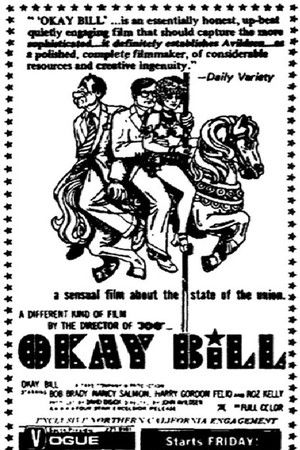


The film tells the story of Bill, a young, successful stockbroker who zips off to Greenwich Village on his motorcycle when no one's looking to venture into the hippy counterculture world. His wife, Nancy, is the dream of every middle-class male. She is liberated enough to go around bra-less, enjoy sex, and be the perfect mother for their child. Nancy, however, is unaware of her husband's excursions and happily attends the local ecology awareness meetings without Bill. Bill soon becomes involved with Gordon, an Andy Warhol-type character whose protege, Roz, fascinates the square young businessman. After witnessing a wild party on Fire Island, Bill realizes that this crowd is not for him (shallow, lifeless) and that he does not even want to have sex with Roz because he is lonely for his wife. Nancy arrives unexpectedly on the island to reclaim her husband and together they walk off into the sunset hand in hand.
Hokum is an enjoyable horror film that will probably get a little under your skin, but it isn’t the tour de force that you might be expecting.
YouTube surpasses Netflix but there is more to the story.
Our trilogy at Seabrook High School starts with a rivalry between zombies and humans who eventually come together.
Him is visually stunning—all concrete cathedrals and bone-rattling impact shots that look like a nightmare highlight reel. Marlon Wayans is magnetic as this legendary quarterback who's basically selling salvation with a smile that never quite reaches his eyes. But the story keeps running in circles: more tests, more cryptic pep talks, more ritualistic drills. The sports-as-religion metaphor beats you over the head when subtlety would've been more effective. The middle drags, and that finale chooses spectacle over substance. It's undeniably stylish, but left me cold. Also worth noting: despite the Monkeypaw connection, this isn't actually a Jordan Peele film—he didn't write or direct.
Although Christmas is a time of year for love and cheer for all, holiday cinema has not always represented diverse communities. Being a holiday with Christian origins, much of its media consists of straight white families or straight white romances. Luckily, modern years have been bringing with them plenty of POC and LGBTQ+ representation that the holidays so desperately need.