Lindsay Lohan's Comeback in 'Falling for Christmas'
Lindsay Lohan makes a big film comeback in this amazing holiday comedy of the year.
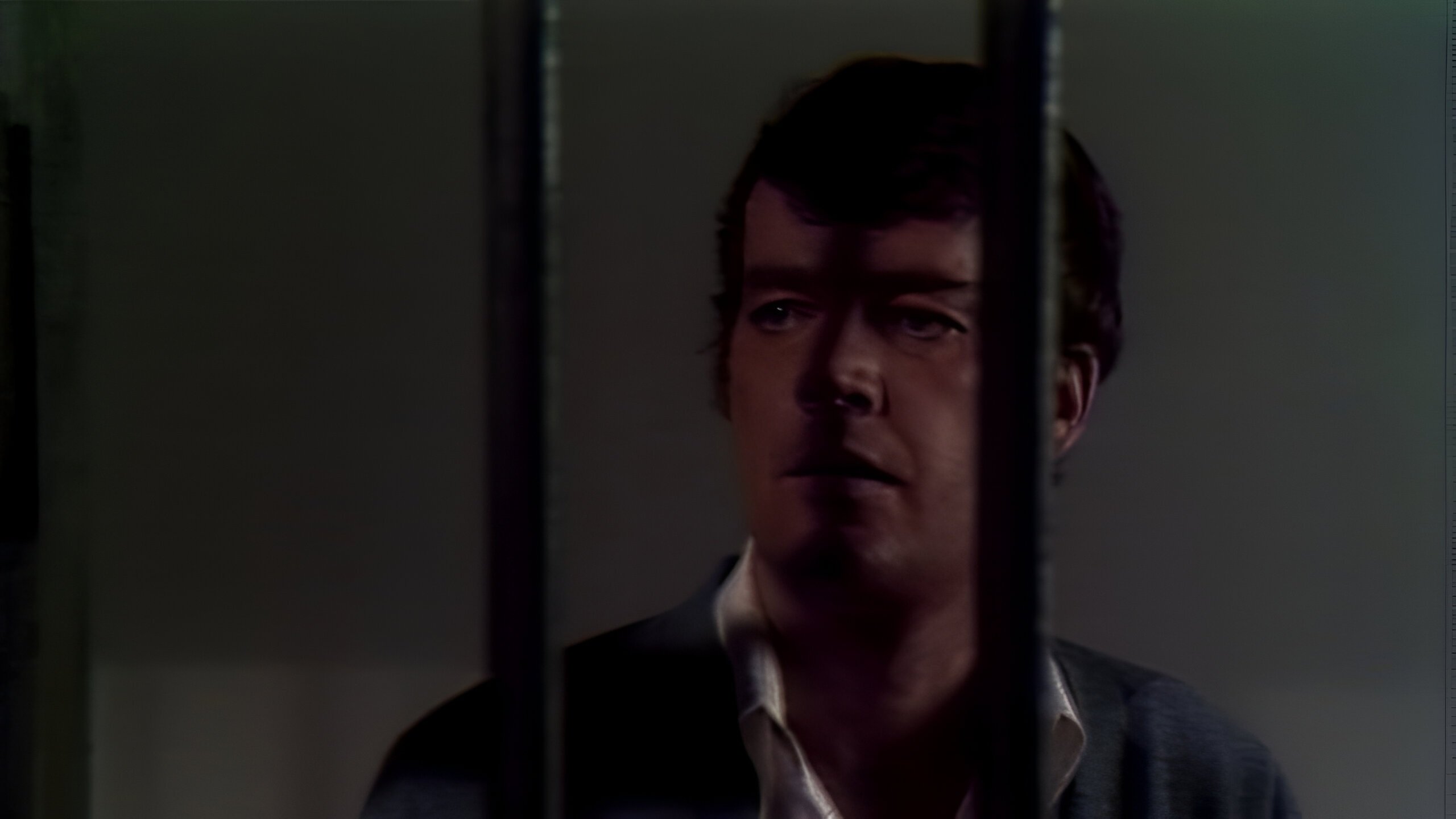
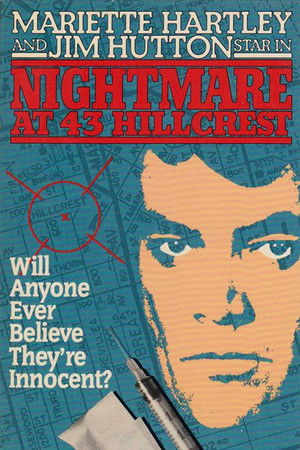


Police looking for drug dealers mistakenly raid the house of a typical suburban family. However, rather than admit their mistake and jeopardize their careers, several of the police officers decide to plant heroin in the family's house, and change the records of the raid to make it look like the family was the target of their investigation all along. Based on a true story.

Lela Swift
Director

Jim Hutton
Greg Leyden
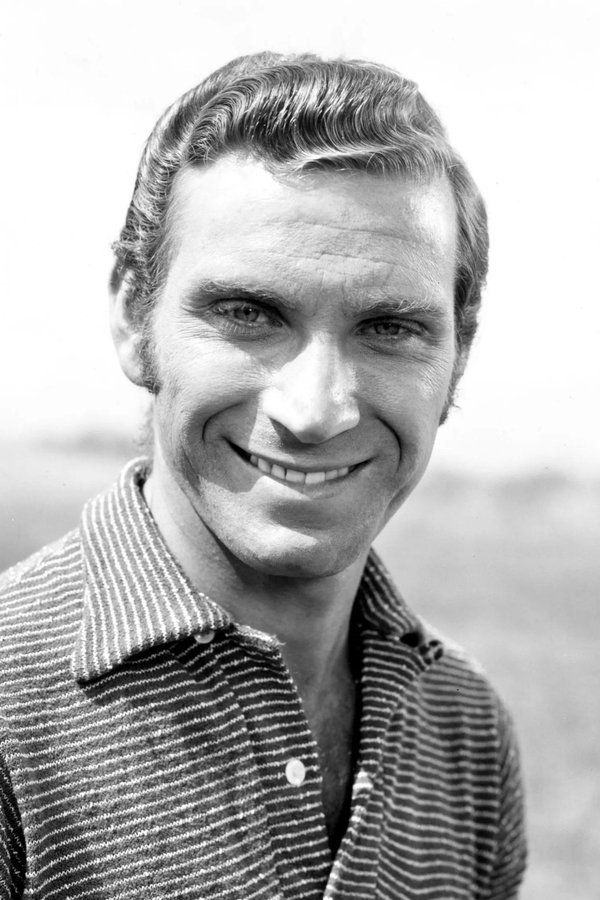
Peter Mark Richman
Clarence Hartog
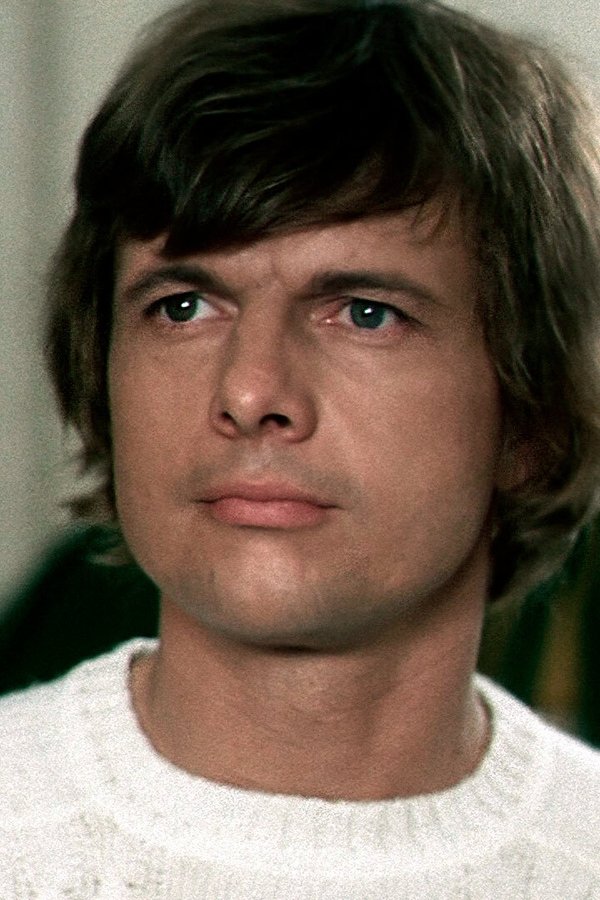
John Karlen
Frank Linwood

Mariette Hartley
Sharon Reischauer
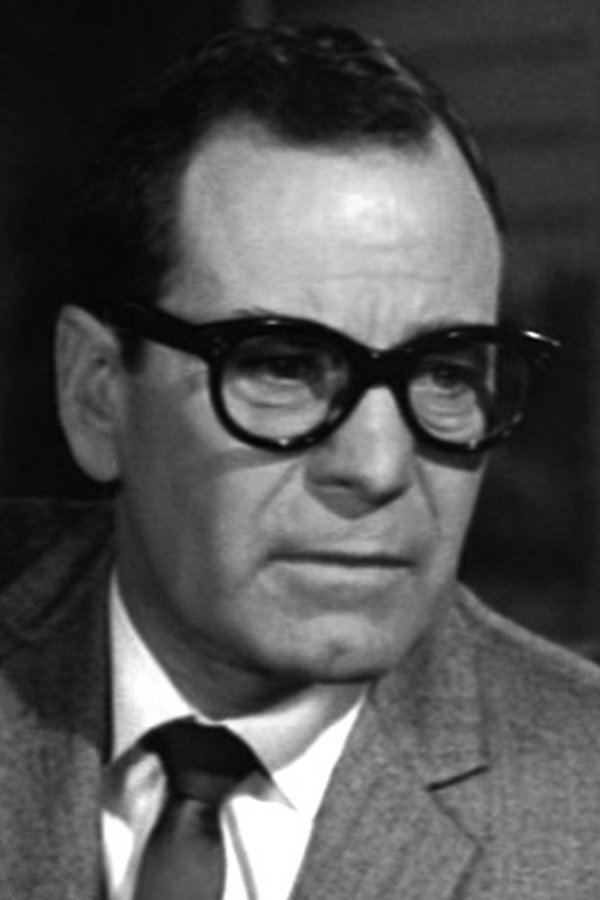
Walter Brooke
Michael Doran

Emmaline Henry
Esther Leyden

Don Dubbins
Sanford Bates
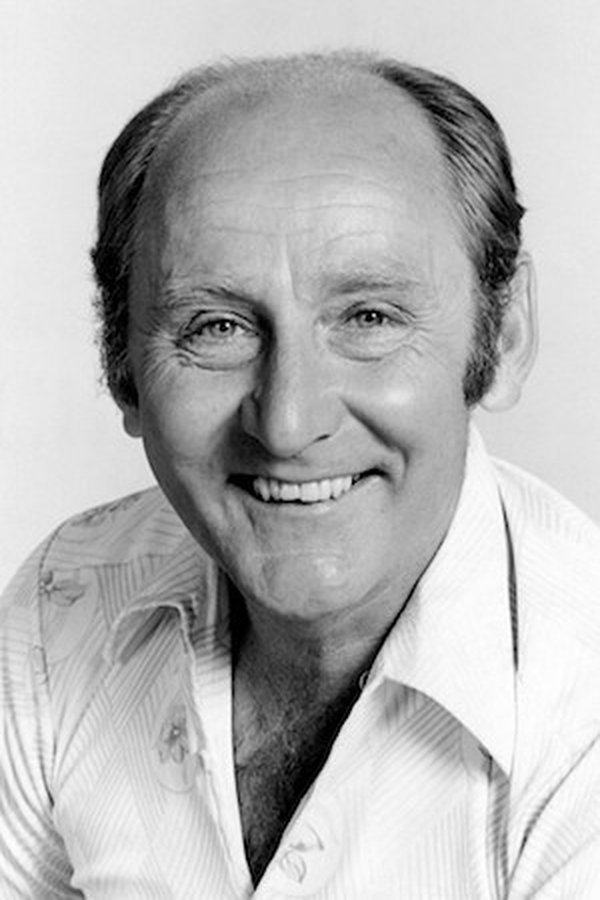
Richard Stahl
Richard Estabrook
Linda Curtis
Nancy Leyden
David Dreyer
Joe Davis
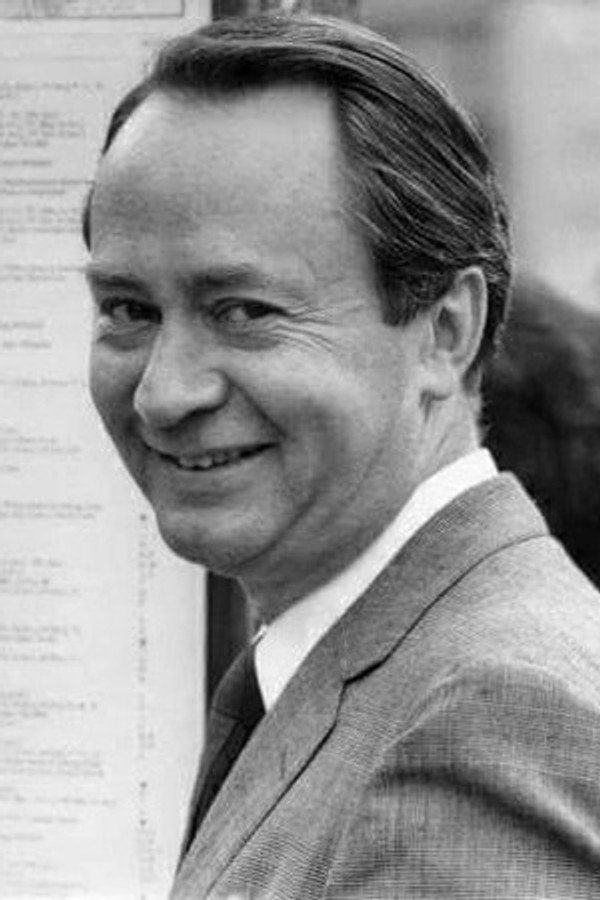
Peter Sallis
Man (uncredited)
Lindsay Lohan makes a big film comeback in this amazing holiday comedy of the year.
"Idina Menzel: Which Way to the Stage?" shows viewers how the star became who she is today.
Throughout Brendan Fraser’s career, he has played a plethora of unique, layered characters who explore the importance of not being afraid to display your emotions, something that is often seen to not be a masculine trait. This idea of regulating emotion and what traits men are able to possess creates a toxic atmosphere for men who are often told they should not cry or represent their emotions in any physical way. These characters represent that men can be joyful, emotionally conscious, and sensitive, while also representing their masculine identity instead of painting those qualities as fighting against their masculinity.
The Sandman features a plethora of LGBTQ+ characters and is openly expressive about it!
This is a Spanish-speaking short film that contains English subtitles. The short film is produced in the United States.
Eddington attempts to capture how media is intertwined with the uncomfortable present.