





'Moonlight': A Retrospective on Barry Jenkins' Masterpiece
Barry Jenkins' masterpiece holds up as the story of a lifetime centered on the intersection of Blackness and gay identity.


Coralie Fargeat, the director of the much-acclaimed The Substance, once said in an interview that “Being a woman is body horror,” and when you think about the ways we are taught to experience our own bodies, it becomes almost impossible to argue with her. That is perhaps why, when women take control of the camera and explore the physical realities of women’s lives, horror can feel like the genre that speaks most naturally and most honestly to those experiences. From menstruation to pregnancy, childbirth to aging, we are repeatedly asked to accept pain, transformation, and bodily vulnerability as inevitable. At the same time, society demands that these same bodies remain controlled, desirable, productive, and socially acceptable.
Women filmmakers do not need to invent monsters. By turning the camera inward, directors like Fargeat, Julia Ducournau (Raw, Titane), and Hanna Bergholm reveal that the true horror can be the experience of living in a body that is constantly being judged, transformed, and claimed by others. Their films are frightening not because our bodies are grotesque or monstrous, but because we are so often denied complete autonomy.
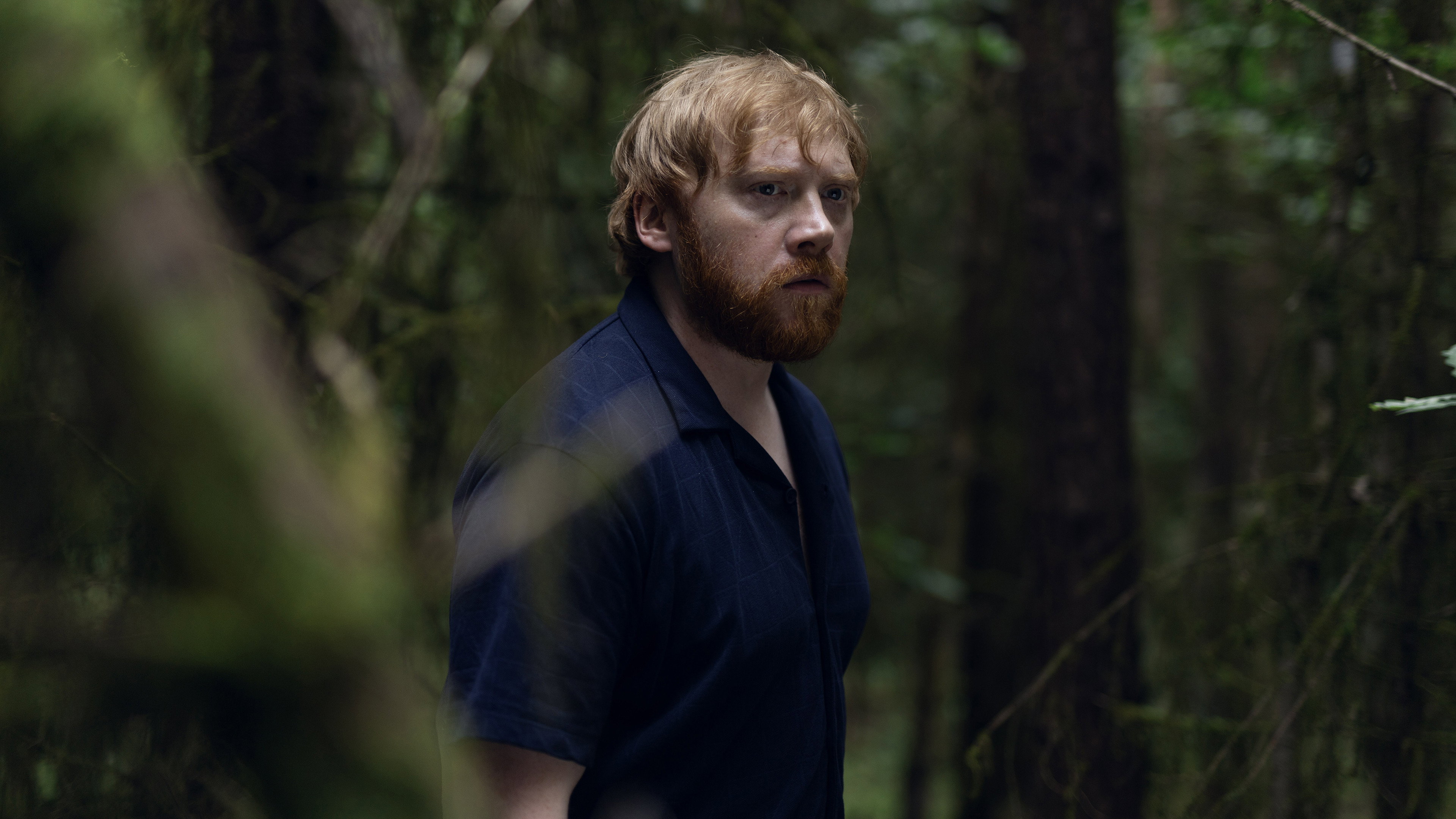
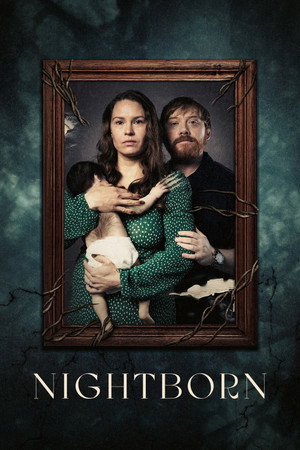
This physical alienation is apparent in Hanna Bergholm’s Finnish folk and body horror Nightborn. With its visceral childbirth scene, the movie immediately strips away the romance of motherhood and exposes the raw, painful reality of becoming a mother. For our protagonist, Saga (Seidi Haarla), the horror is not simply the strange, unearthly nature of her newborn baby. It is also the terrifying recognition of how little control she feels she has over her own transformed body and new identity. The baby is at once hers and strangely alien to her: a creature that has emerged from her body but feels more like it belongs to the wild nature that surrounds them than to her.
Nightborn does not suggest that motherhood itself is inherently horrifying. Instead, it explores what happens when the social expectation that motherhood should be natural, instinctive, and fulfilling meets the complicated reality of a woman who does not immediately feel that way. Saga is expected to become a mother effortlessly, to recognize her child, to love him instinctively, and to accept the sacrifices that come with motherhood. When she cannot, the resulting shame becomes another source of horror.

In Finnish forest, Saga and her husband Jon embark on a new chapter as parents. But Saga's joy is overshadowed by a chilling suspicion about their newborn, unbeknownst to Jon, causing a rift as she alone grapples with the disturbing truth.
Barry Jenkins' masterpiece holds up as the story of a lifetime centered on the intersection of Blackness and gay identity.
In Jeymes Samuel's history-infused, neo-spaghetti western, Black women are center stage with a fresh hip hop mixtape keeping rhythm in the backdrop.
How powerful can a story be when it is stripped to the bare essentials of just a room, a handful of people and raw human voice?
Two young girls meet in the same neighborhood unexpectedly as they embark on a new adventure using their imaginations as this movie brings strong representation among women.
In an all-black community in Louisiana, a young girl learns her father has committed infidelity and turns to hoodoo to seek justice.
'Jungle Cruise' is fun if you can ignore the racism of the ride it’s based on and the film’s bland, stereotypical characters.