
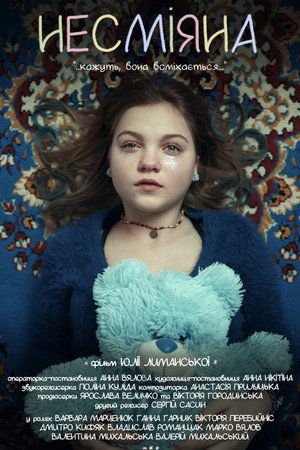
Nesmiyana
Lesya, a dreamy young folk dancer, is overcome with sadness on her 13th birthday. She is surrounded by annoying relatives, her father is in prison, and her mother constantly forces her to dance. Lesya escapes reality by hiding in her own imagination and fantasies. But the girl finally learns to stand up for herself after unexpectedly receiving a mysterious gift that turns out to be a heavy burden. Now Lesya is forced to find a balance between two worlds: the cruel reality of adulthood and the carefree imagination of childhood...

- / 5
PopScore
Representation
Pictures and Videos

Movie Information
Lesya, a dreamy young folk dancer, is overcome with sadness on her 13th birthday. She is surrounded by annoying relatives, her father is in prison, and her mother constantly forces her to dance. Lesya escapes reality by hiding in her own imagination and fantasies. But the girl finally learns to stand up for herself after unexpectedly receiving a mysterious gift that turns out to be a heavy burden. Now Lesya is forced to find a balance between two worlds: the cruel reality of adulthood and the carefree imagination of childhood...
Rating:
Genre:Drama
Written By:Yuliia Lymanska
In Theaters:
Box Office:
Runtime:35 minutes
Studio:
Cast

Articles You May Like
'Young Royals' Review
'Young Royals' is a great example of positive gay representation in its two main protagonists, but the supporting characters are often frustratingly selfish.
The Rise of a Kindhearted Comedy Hero: The Anti-Toxic Masculinity Message of Brendan Fraser Films
Throughout Brendan Fraser’s career, he has played a plethora of unique, layered characters who explore the importance of not being afraid to display your emotions, something that is often seen to not be a masculine trait. This idea of regulating emotion and what traits men are able to possess creates a toxic atmosphere for men who are often told they should not cry or represent their emotions in any physical way. These characters represent that men can be joyful, emotionally conscious, and sensitive, while also representing their masculine identity instead of painting those qualities as fighting against their masculinity.
People as Human Resources in Human Resource (2026)
Stylish, slow, and somewhat standoffish, Human Resource examines corporate life from the perspective of a female HR employee as she interviews job candidates while also deciding whether to keep her newly discovered pregnancy.
Ironically a Netflix Original, 'Blockbuster' Is a Fun & Inclusive Must-Watch!
The major flaw of the series is that it’s hosted on Netflix and barely makes malicious comments about it despite being focused on the lives of people directly affected by the Capitalist mentality of the OTT corporation.
Urchin (2025) and the Pitfalls of Addiction
I came across Urchin by chance and decided to watch it because of the title. It made me think of the spiky animal that lives at the bottom of the ocean, and the old Dickensian novels, where an urchin was an orphaned, homeless child in shaggy and dirty clothes.