Pearl Review - Mia Goth's Twisted Delusions of Grandeur
While subverting the conventions of Golden Age cinema with the characteristics of a slasher, Pearl studies the delusions of grandeur inspired by the movies.
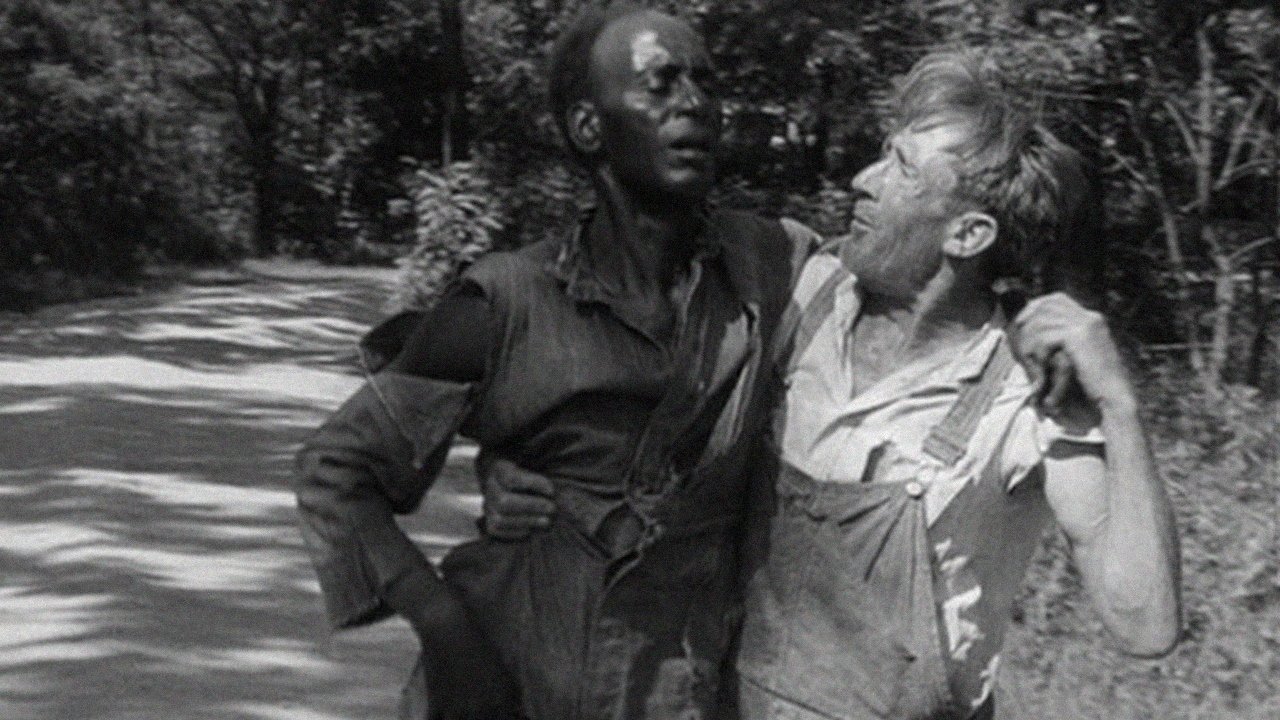
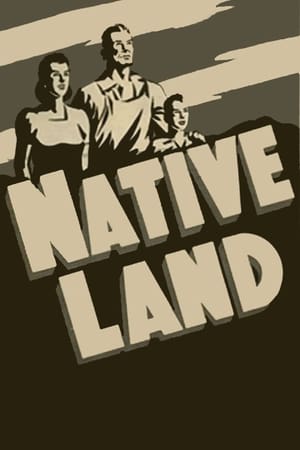


By the start of World War II, Paul Robeson had given up his lucrative mainstream work to participate in more socially progressive film and stage productions. Robeson committed his support to Paul Strand and Leo Hurwitz’s political semidocumentary Native Land. With Robeson’s narration and songs, this beautifully shot and edited film exposes violations of Americans’ civil liberties and is a call to action for exploited workers around the country. Scarcely shown since its debut, Native Land represents Robeson’s shift from narrative cinema to the leftist documentaries that would define the final chapter of his controversial film career.
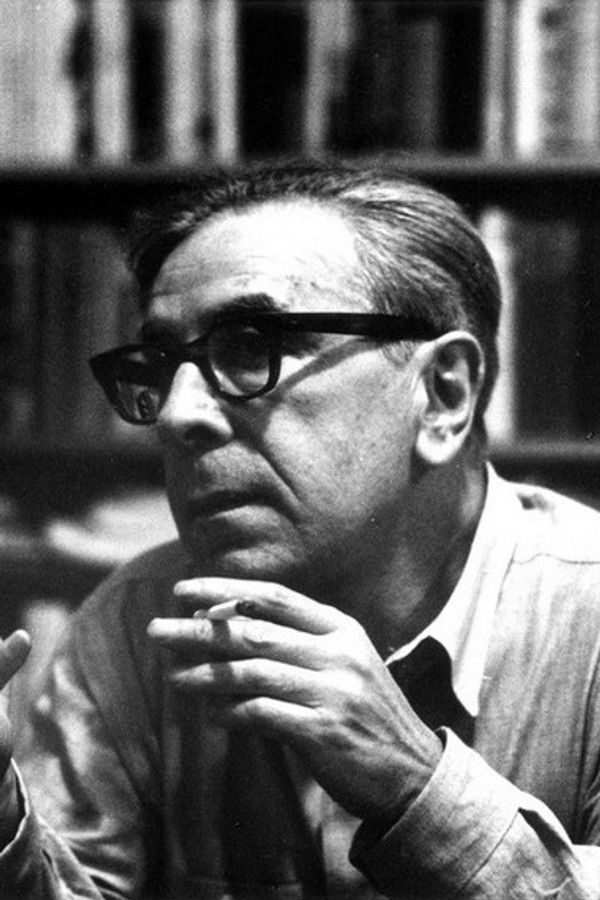
Leo Hurwitz, Paul Strand
Director

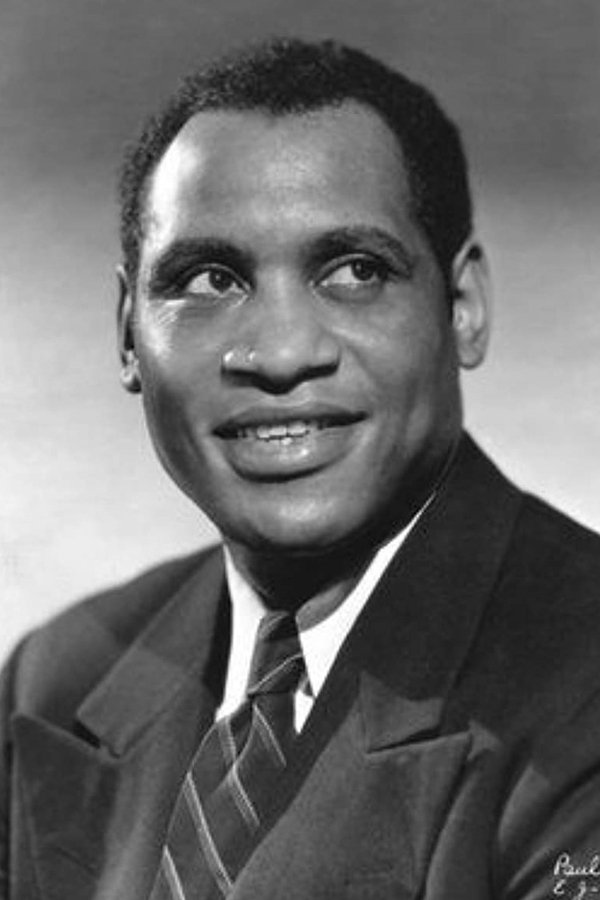
Paul Robeson
Narrator

Fred Johnson
Fred Hill
Mary George
Hill's Wife
John Rennick
Hill's Son
Amelia Romano
Young Girl in Cleveland
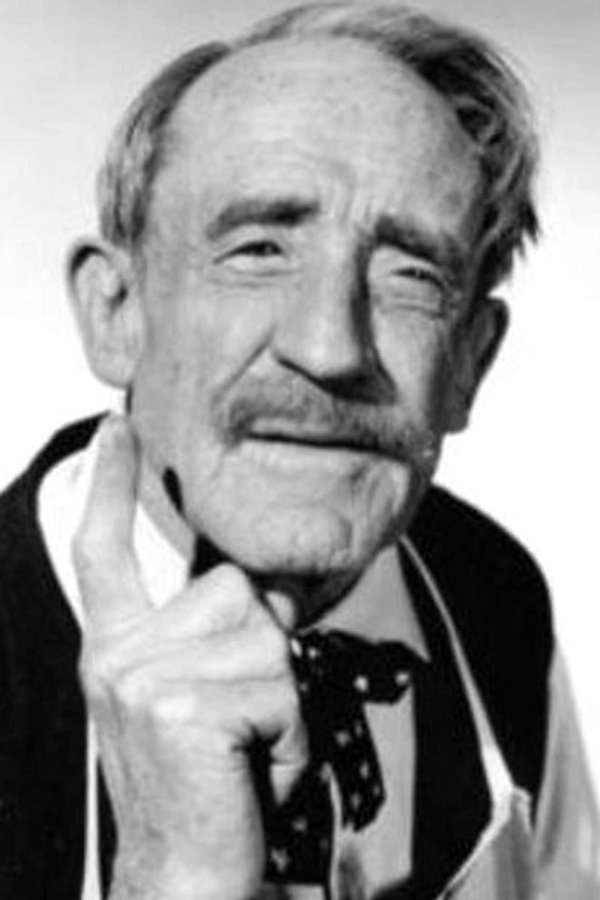
Houseley Stevenson
White Sharecropper
Louis Grant
Black Sharecropper
James Hanney
Mack

Howard Da Silva
Jim
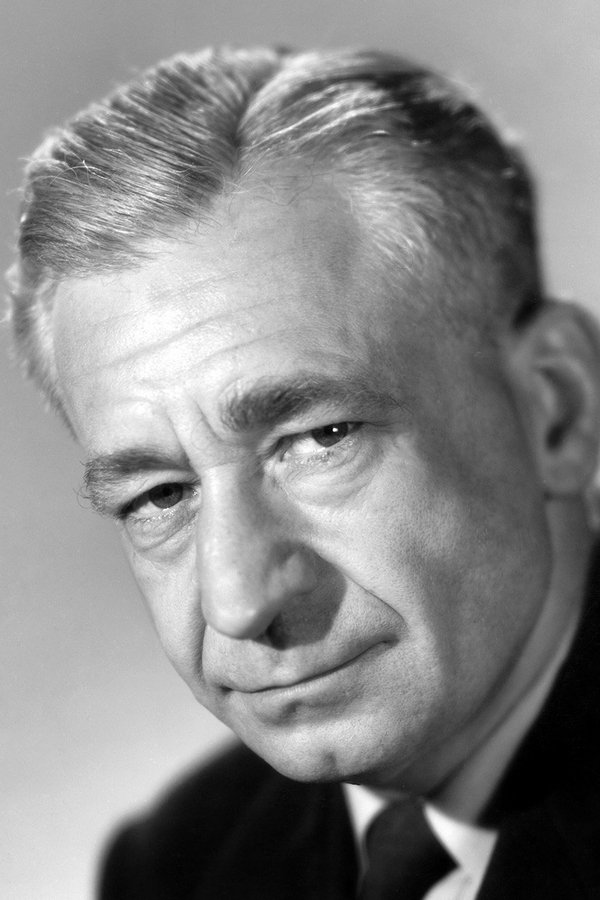
Art Smith
Harry Carlyle

Robert Strauss
Frank Mason, grocer
While subverting the conventions of Golden Age cinema with the characteristics of a slasher, Pearl studies the delusions of grandeur inspired by the movies.
As Andrew’s life begins to change, his passion for drumming soon becomes a spiraling obsession in the pursuit of perfection. Through the use of disturbing and abusive training methods, Fletcher puts Andrew through emotional and physical agony.
This Halloween movie is based on the toy line of the same name.
Marvin Gaye's powerful music addresses the same themes as "Da 5 Bloods" and elevates the film to even greater heights.