




Garfield the Movie: A Failure in Adapted Characters
An analysis on how the Garfield movie fails to represent the characters it is adapting, especially the women, by removing their best characteristics.

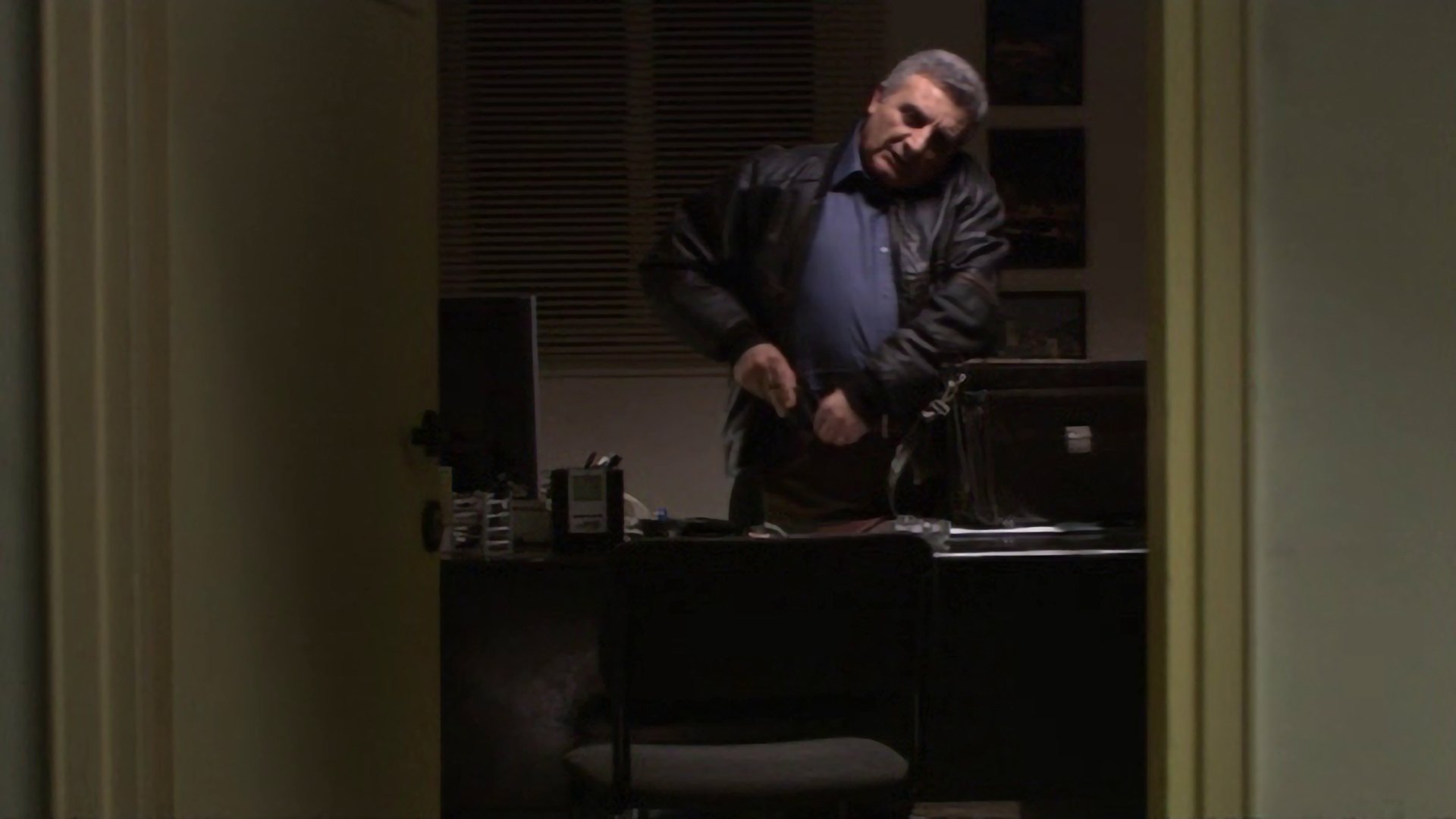
Ilan Ben-Natan is a man on his sixties and a well-known professor of astrophysics at the University of Haifa. He is married with Naomi, a 28 years old, attractive book illustrator. Inclined to suspect, he finds out her wife's betrayal and then face his wife's lover, Oded Safra, a painter and a filmmaker, younger than him. During the argument, the scientist kills his rival and takes away the corpse in the boot of his car. With the complicity of his 80 years old mother, Ilan buries the man in a hole just dig in the cemetery. After a series of casualties, the corpse is then found and the commissioner Anton Karam, an old friend of the professor, starts the police investigation. When every signs seems to lead to the discovery of the assassin, an unexpected event will call every element into question again.
An analysis on how the Garfield movie fails to represent the characters it is adapting, especially the women, by removing their best characteristics.
Another uneven "Guess Who's Coming to Dinner" redux that says nothing novel about its subject matter.
On top of the phenomenal acting, and great dialogue between the two characters, the cinematography was ravishing! The sound was outstanding! The production design was simple, yet intrinsic. The minimalistic approach in the Malibu beach house represented how little they really have going on in their relationship. The storyline may have been much simpler than "Who's Afraid of Virginia Wolf," but all the more insightful, and much more animalistic at its core.
Mulan had to struggle to feel like herself and see herself properly. Some of us have to strive to have our reflection mimic what’s inside. We have to crawl. We have to fight.
The way Jeannette has to deal with child neglect makes her insecure about her parents and how she was brought up and raised in the United States. This continues into adulthood, where Jeannette becomes a successful journalist and is frequently asked about her parents by others.
It’s dark, uncomfortable, and there are things that don’t make sense.