







Knives Out: Sharpest Writing of 2019?
Knives Out doesn’t just defy the whodunit narrative, it uses the weaknesses to its advantage. It’s well aware of the genre’s faults and tropes
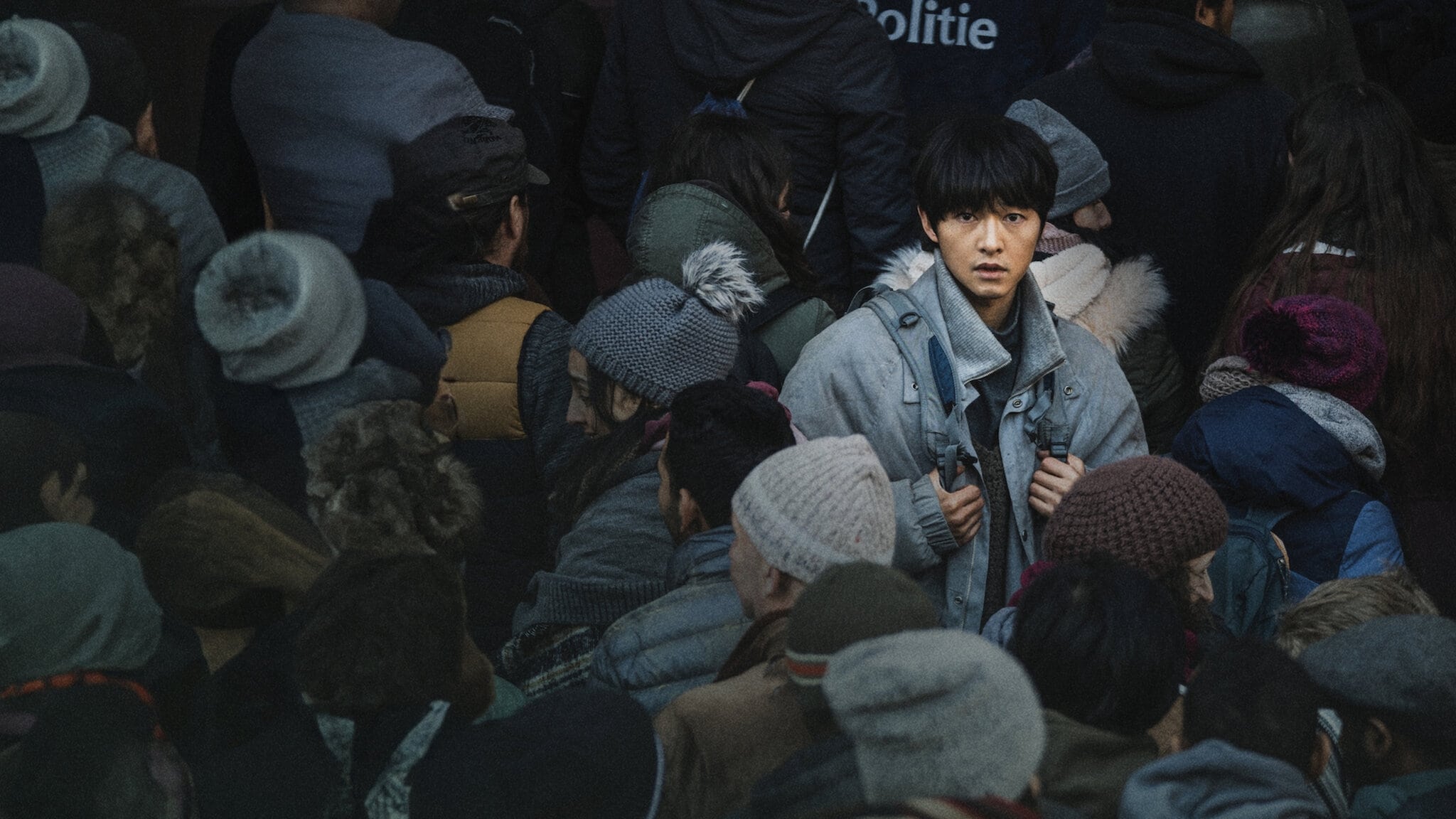



After defecting from North Korea, Loh Kiwan struggles to obtain refugee status in Belgium, where he encounters a dejected woman who has lost all hope.
Knives Out doesn’t just defy the whodunit narrative, it uses the weaknesses to its advantage. It’s well aware of the genre’s faults and tropes
Han's turn to villainy in 'Frozen' was foreshadowed cleverly in the story.
My Beautiful Laundrette is often referenced as a positive LGBTQIA+ film because our two main characters are in a homosexual relationship with no shame, fear of violence or criticism. The struggle is not their sexuality. It is the treatment of the Pakistani citizens in England.
The Invitation takes a creeping look at two simple premises: reuniting with forgotten friends and new-age spiritualism. Though one seems a bit scarier than the other, the film heightens social awkwardness to a macabre level that puts an uncomfortable look on when the social taboo of grief is put on public display.
The Djinn is about childhood traumas and lifestyle changes. It tells the story of Dylan (Ezra Dewey), a mute boy who blames himself for his mom’s death. He also condemns himself for being speech-impaired, and he thinks that if he did not have that condition, everything could had been different.
This film was filled with great plot points. Unfortunately, they all contradicted each other and clashed. Had the premise of Awake been more consistent and accurately portrayed the real world aspect, I think this could have been an extreme success.