






“Tony” is Yet Another Good Biopic
The problem isn’t that it’s bad. It's good. But it fails to stand out from a crowd of similar films.

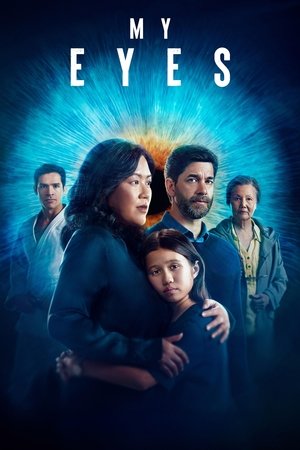


When Optometrist Alana discovers her daughter has a rare inherited eye disease, she must look into her past to realize her vision for the future. A judo athlete with a vision impairment halfway across the world may hold the answers she is searching for, but old truths threaten to derail the mission and Alana’s marriage. Can she save her daughter’s sight without losing everything else she holds dear?
The problem isn’t that it’s bad. It's good. But it fails to stand out from a crowd of similar films.
We sat down with Writer/Director Albert Acosta to discuss his debut short film, (ha-ha), Acosta's foray into narrative cinema, and how his personal experiences have shaped his filmmaking philosophy.
KIMI is the main character of this film and as much as I wish it was Angela Childs played by Zoe Kravitz, it isn't. KIMI is a smart device that works not unlike Amazon's Alexa and Google's Nest assisting in anything from home purchases to music playing all under the guise of only activating when in use.
“To be universal, you have to get specific”: while the film does not attempt to provoke discussions about queerness or race, those watching closely may find something resonant in Sorrentino’s love letter to the Naples of his youth.
Documented human suffering is never easy to view or read about and is understandably triggering for many people, but it can be educational, and education is a key to change. An overwhelming amount queer people worldwide (and in my own country) have it far worse than I could imagine, and documentaries such as Welcome to Chechnya bring issues to light that certain groups of people would never see.