Once Upon a Time in (White) Hollywood
Tarantino's alternative history of the 1960's uncritically repeats the era's sexist and racist stereotypes.
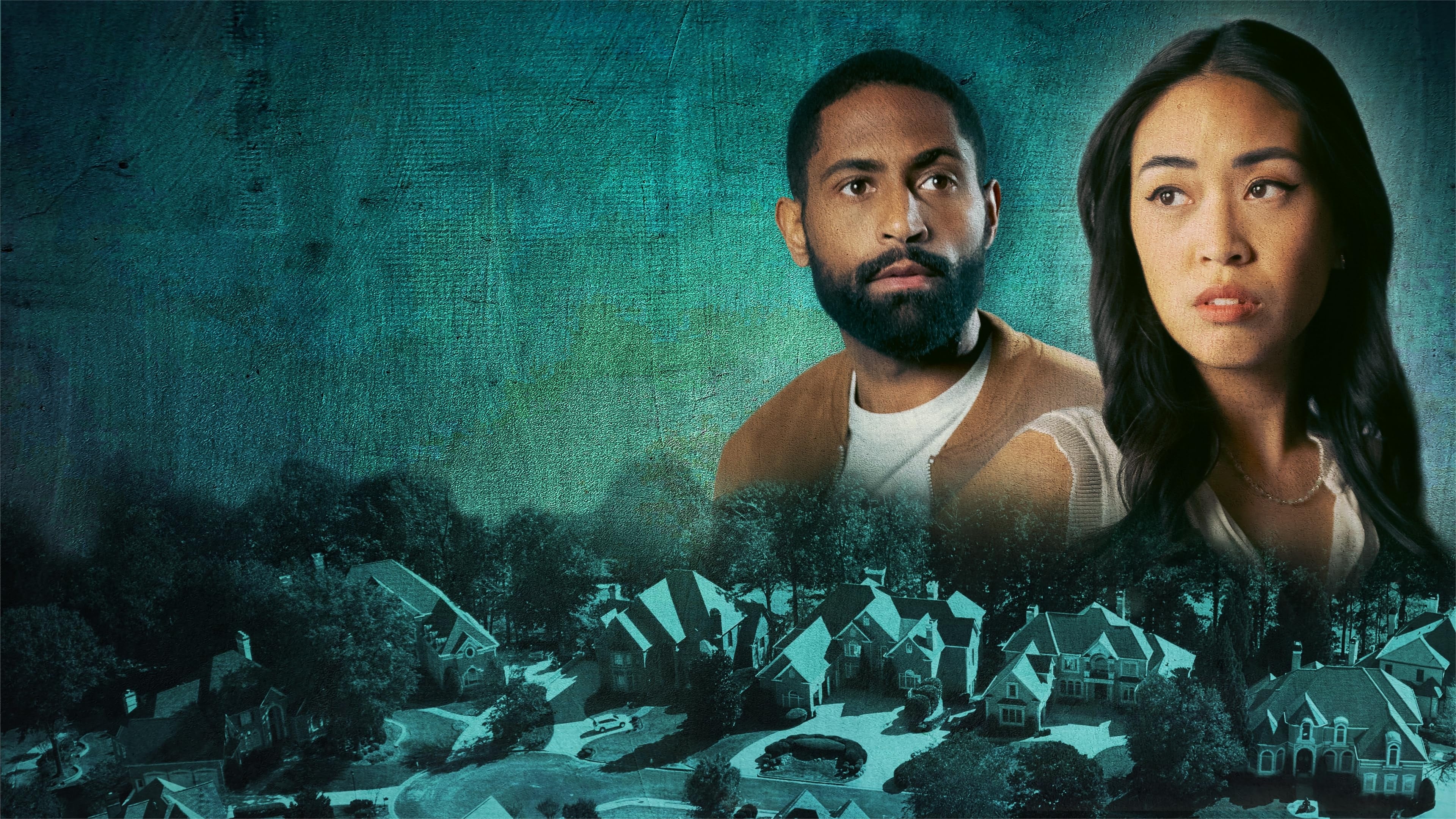
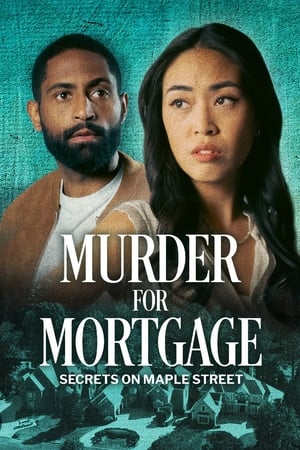


After the death of the local busybody, a young couple move into her house on the notorious Maple Street. But soon, strange events make them suspect that the woman's death concealed a deeper secret.

Paula Elle
Director


Frances Leigh
Carlee Patterson
Thomas Cadrot
Alex Patterson
Lucia Walters
Det. Lori Vaughn

Ali Liebert
Katie Wagner

Matthew MacCaull
Scott Lambert

Karis Cameron
Brittany Walker

Samuel Braun
Archer Lambert

Sarah Christine Smith
Betsy Walker

Shiraine Haas
Dina Perkins

Alex Rose
Jake Tolbert

Roark Critchlow
Roger Perkins
Tarantino's alternative history of the 1960's uncritically repeats the era's sexist and racist stereotypes.
'The Lost Daughter' doesn't paint over the choices Leda and Nina make as mothers as right or wrong but examines the messy in-between.
One Christmas Eve, after a sudden snowstorm, a group of teenagers will discover how their lives will change forever.
Fjord, like its story, is not a conclusion, but a beginning.
Typically in film, characters suffering from mental illness are used as plot devices or exaggerated for comedy. 'The House that Jack Built's representation exceeds in accuracy and realism of OCD.
In Deaf, the Spanish director Eva Libertad explores pregnancy and motherhood from the perspective of a deaf woman. Her movie examines how the world imposes the notion of disability on her main character while she actually does not feel disabled herself.