Bad Parents (and guardians) in children’s stories are nothing new. In stories like Matilda, Harry Potter, and Hansel and Gretel, protagonists are forced into the so-called “care” of adults whose selfishness and neglect create a pattern of abuse meant to give the protagonists the fortitude and courage to break off on their own. All of this to say that Tim, Jane, and Barnabys A and B Willoughby are in good company when the movie opens.
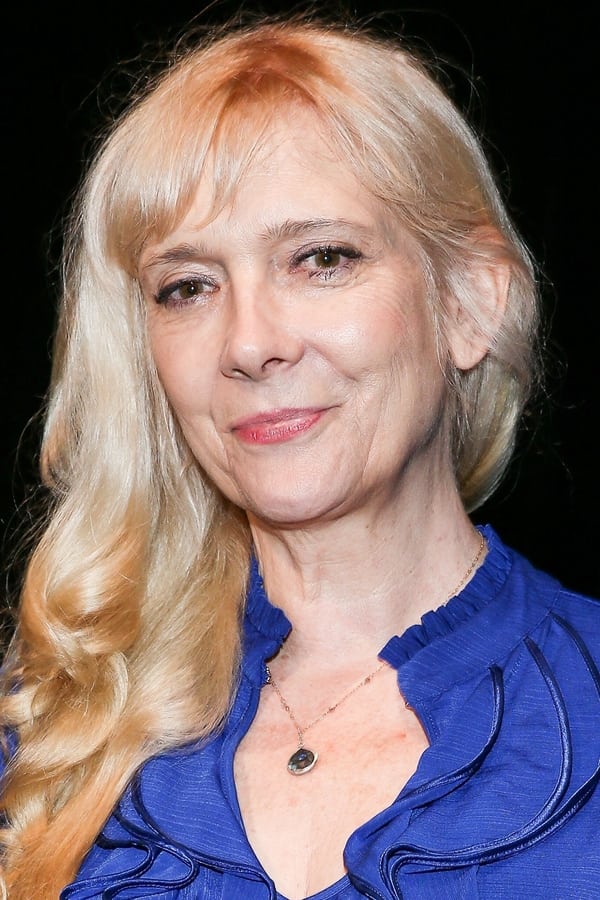
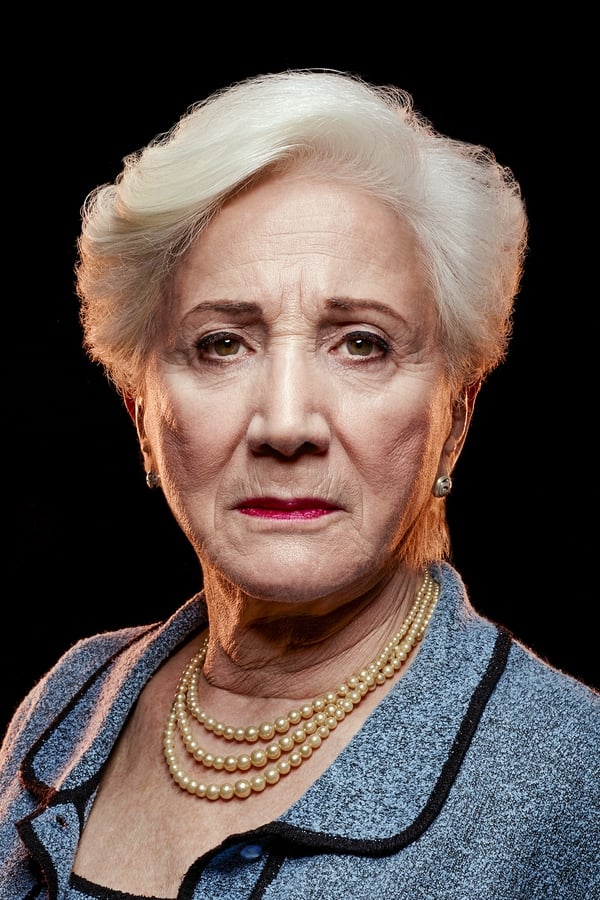
Our narrator and guide through The Willoughbys (2020, Netflix) is a cat snarkily voiced by Ricky Gervais, who opens the film paraphrasing the Tolstoy line, “Happy families are all alike; every unhappy family is unhappy in its own way.” The Willoughby family is unhappy because they have children. Mother (Jane Krakowski) and Father (Martin Short) Willoughby, who are never given names, love each other to the exclusion of everything else in the entire world, yet they can’t understand where these children keep coming from. The oldest child, Tim (voiced by Will Forte), loves being part of a long and glorious tradition of mustachioed Willoughbys.
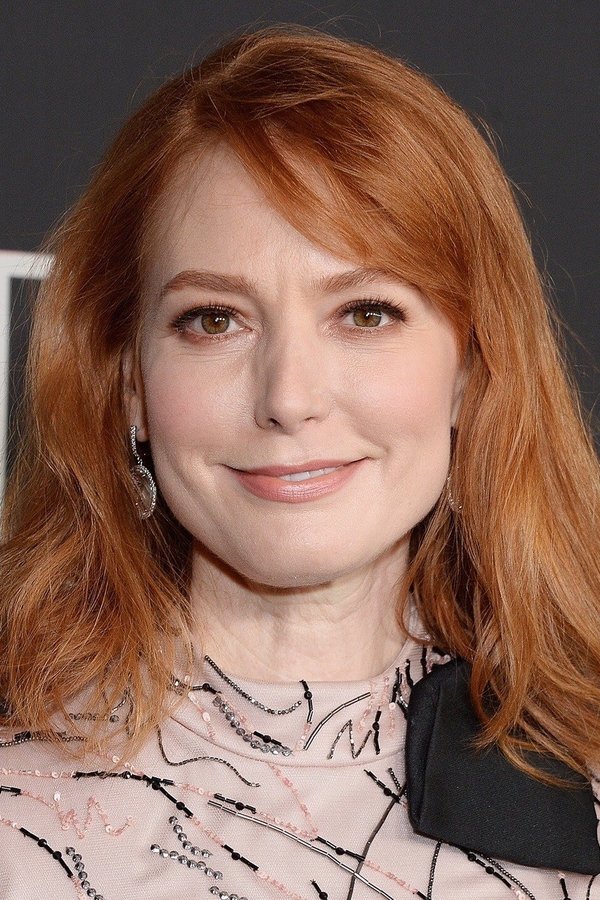
Like many children of abuse, Tim is forgiving of his parents and continues to crave their affection even after he’s been thrown into the coal bin (for what we see is not nearly the first time) for committing the crime of asking for food. His siblings, Jane (Alessia Cara) and the twins Barnaby (Seán Cullen), seem either oblivious to their parents’ neglect or simply don’t care. The Willoughby siblings concoct a plan to accidentally-on-purpose get rid of their parents so they can become orphans, tricking Mother and Father into going on a vacation full of potentially lethal adventures. While the parents are gone, the children are put into the care of Nanny (Maya Rudolph), who provides more love and compassion to them than they are prepared to handle. A full-scale comedy of errors ensues wherein the children wind up having to track down their biological parents in order to stay with one another, but the parents would rather leave the children to die on their own.
The Willoughbys is a dark, dark film that can trace its ancestral line back to the original Brothers Grimm with a generous injection of the Roald Dahl school of parenting. The Willoughby children are treated badly. This is not hidden or underscored. They’re shown starving, freezing, being thrown into a cellar, and yelled at for falling into their parents’ line of vision. Tim, Jane, and the Barnabys (who aren’t given the dignity of separate names) are blamed for their own existence as if the parents had nothing to do with bringing them into the world. At one point the parents wish out loud that they could “dispose” of their children. This is not the resentful fulfillment of a child’s most basic needs or even neglect. This is severe child abuse. You never once root for the kids to end up with the parents.
Once the Willoughby children send their parents away, the film dives deep into themes of the psychology of child abuse and found family. Tim, the most abused of the children, finds it difficult to accept Nanny as someone who might love and care for him. He runs away from every foster family he’s sent to live with. He’s internalized his parents’ loathing so deeply that he’s naturally suspicious and angry all the time.