


Incluvie – Better diversity in movies.
Identity in film with Incluvie stamps, scores, reviews.

Incluvie – Better diversity in movies.
Explore identity in film with Incluvie stamps, scores, reviews, and insights.

trailer banner
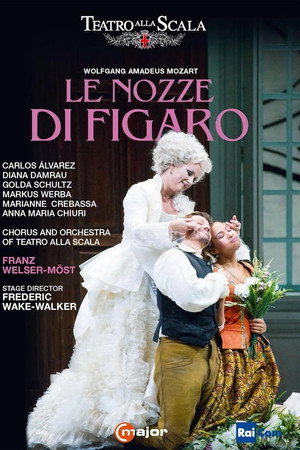
Mozart: Le Nozze di Figaro - Teatro alla Scala poster

Mozart: Le Nozze di Figaro - Teatro alla Scala 

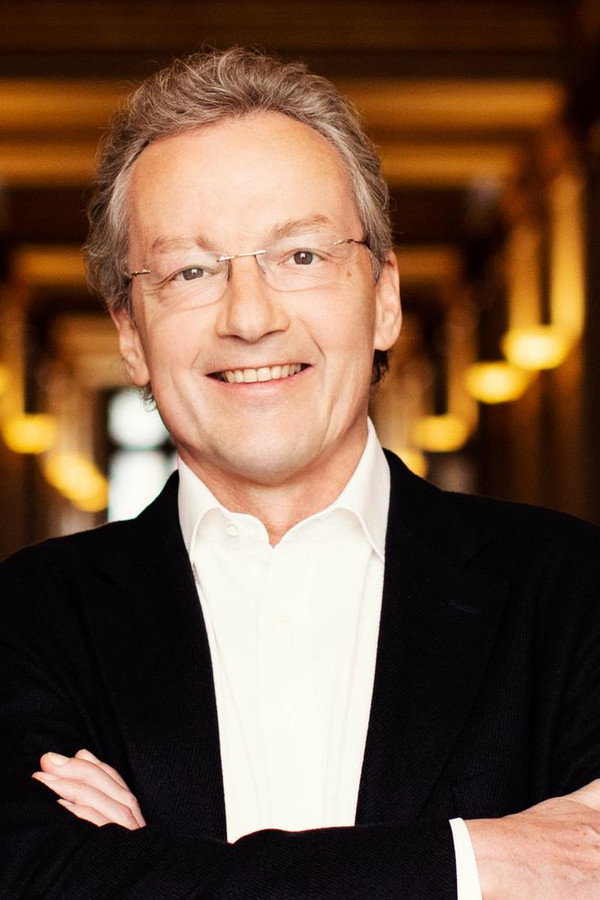
Mozart’s Le nozze di Figaro returned to Teatro alla Scala in 2016 in a new production directed by Frederic Wake-Walker and conducted by Franz Welser-Möst. Created to mark the 225th anniversary of Mozart’s death, the staging offers a fresh perspective on the composer’s celebrated comedy of love, deception and social hierarchy. Antony McDonald designed the sets and costumes, framing the intricate intrigues surrounding Figaro and Susanna’s wedding. The international cast features Markus Werba as Figaro, Golda Schultz as Susanna, Diana Damrau as the Countess, Marianne Crebassa as Cherubino, and Carlos Álvarez or Simon Keenlyside as Count Almaviva.
- / 5
PopScore
Representation

Pictures and Videos


Incluvie Gala

Movie Information


Mozart’s Le nozze di Figaro returned to Teatro alla Scala in 2016 in a new production directed by Frederic Wake-Walker and conducted by Franz Welser-Möst. Created to mark the 225th anniversary of Mozart’s death, the staging offers a fresh perspective on the composer’s celebrated comedy of love, deception and social hierarchy. Antony McDonald designed the sets and costumes, framing the intricate intrigues surrounding Figaro and Susanna’s wedding. The international cast features Markus Werba as Figaro, Golda Schultz as Susanna, Diana Damrau as the Countess, Marianne Crebassa as Cherubino, and Carlos Álvarez or Simon Keenlyside as Count Almaviva.

Rating:
Genre:Music
Directed By:Franz Welser-Möst
Written By:Wolfgang Amadeus Mozart
In Theaters:
Box Office:

Runtime:97 minutes
Studio:Teatro alla Scala, RAI, CMajor

Articles You May Like


"The Roses" (2025) Film Review-Marital dysfunction offers plenty of hubris AND humor this time around

Remakes. Reboots. Reinventions. Redundancy. It's the common practice in Hollywood of late, sometimes offering us victorious reimagining of what can be considered cinematic classics while also, more often, falling flat on their UN-imaginative faces in utter defeat and lackluster results. Admittedly, with this in mind, I went into the newest incarnation of "The War of the Roses" with typical trepidation and cautious optimism.

Kirk Fernwood