



Netflix’s “Self Made”: What's Fact and What's Fiction?
Netflix takes some liberties in its portrayal of Madame CJ Walker, a trailblazing Black entrepreneur.
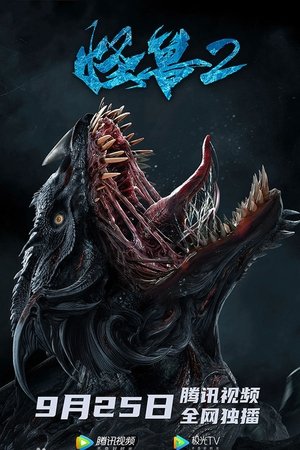


Li Jian is an expert on cave exploration. Because of a drunk driving accident, his son Xiaoyu suffered a lifelong disability on his left foot. His wife Liu Yun could not forgive Li Jian for filing for divorce, and Li Jian was deeply guilty and self-blame for this. In order to realize Xiaoyu's birthday wish to reunite with his father, Liu Yun took Xiaoyu to the place where Li Jian worked. The sudden vortex in the lake sucked Li Jian's family into the mysterious cave deep in the earth. Deep in the heart of the earth, there are dangers, bloodthirsty humanoid monsters, and dangerous alien behemoths. In order to protect his wife and children from escape, Li Jian began the most difficult and dangerous geocentric adventure in his life.
Netflix takes some liberties in its portrayal of Madame CJ Walker, a trailblazing Black entrepreneur.
The re-living of this historic trial through this film is relevant to current politics and disturbingly enjoyable to watch due to the excellent performances from the ensemble cast. If you like a juicy courtroom drama, this film will definitely scratch that itch in a really chilling manner.
An apocalyptic tale captivates the nation as it teaches us to love even in the hardest situations.
Netflix’s Shadow and Bone has a complicated relationship with race. It has a diverse cast, but not without its problems. Based on Leigh Bardugo’s two book series, the show features characters from the Shadow and Bone trilogy, which is very straight and white, and the Six of Crows duology, which is much more diverse. When bringing together a cast and writing about these characters, the team behind the show expanded upon some of the representation missing from the first trilogy, then seemed to take away representation from the duology. Shadow and Bone seems to play a bit of a push and pull game when it comes to portraying diversity onscreen.
A gentle coming of age story, Water Lilies takes its time in exploring what it’s like to be a young girl trying to make sense of her sexuality in a heteronormative world.
Dead Poets Society relies on patriarchal tropes such as overbearing fathers, contrived brotherhood, and faux-individuality in order to portray its straight white male characters as oppressed.