
'Mulan' and 'Whale Rider': Director Niki Caro's take on Gender Inequality
Indie director, Niki Caro (known for 'Whale Rider') directs the live-action 'Mulan' and sets another example of strong females fighting against gender inequality.
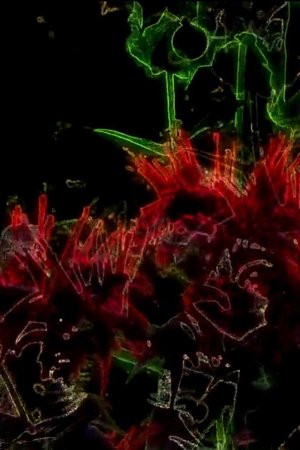


Walter Ungerer’s Monarda (2010) has been screening across the country as part of the 2011 Black Maria Film Festival, a traveling program of new experimental cinema. Like much of Ungerer’s work, the 10-minute Monarda explores the mystifying qualities of nature. Beginning with a shot of grass, Ungerer quickly abstracts his images through digital manipulation until they are barely recognizable. Traces of natural forms (leaves, twigs) ground what is an otherwise indescribable procession of images. Though the visuals evade literal synopsizing, there’s a simplicity and concision to the film that allows the viewer to get caught up in their own experience rather than get sidetracked on decoding the filmmaker’s intentions. Monarda instills a feeling of both apprehension and wonder in the viewer. It’s a disquieting film, but one whose subtle craft and atmosphere becomes more impressive over multiple viewings.
Indie director, Niki Caro (known for 'Whale Rider') directs the live-action 'Mulan' and sets another example of strong females fighting against gender inequality.
This movie is based on the LEGO Disney Princess building set.
This film is a splendid mix of mediums, but its strength lies in its simplicity and beautiful message of closeness.
In Spike Lee’s She’s Gotta Have It (1986), we follow the love life of powerful female protagonist Nola Darling (Tracy Camilla Johns) and explore the relationship dynamics she has with her partners. She sees three men simultaneously: Greer Childs, (John Canada Terrell) Mars Blackmon (Spike Lee), and Jamie Overstreet (Tommy Redmond Hicks). Though an 80’s film, She’s Gotta Have It is surprisingly progressive with its themes of female sexuality, although at some points in the film it is handled clumsily. Overall Nola is an incredibly compelling character especially for modern women, as we as a society acknowledge female sensuality more and more without the negative stigma.
By undermining the appeal and credibility of black characters, the show compromises the very idea of diversity and representation it sets to promote.
Films can alleviate alienation by presenting realities where the viewers feelings are shared by onscreen characters. The film 'Shrek' can be interpreted as a transgender story.