
What We Do in the Shadows (of Our Closet Walls)
There’s enough evidence to insinuate that What We Do in the Shadows is intentionally queer-coded.
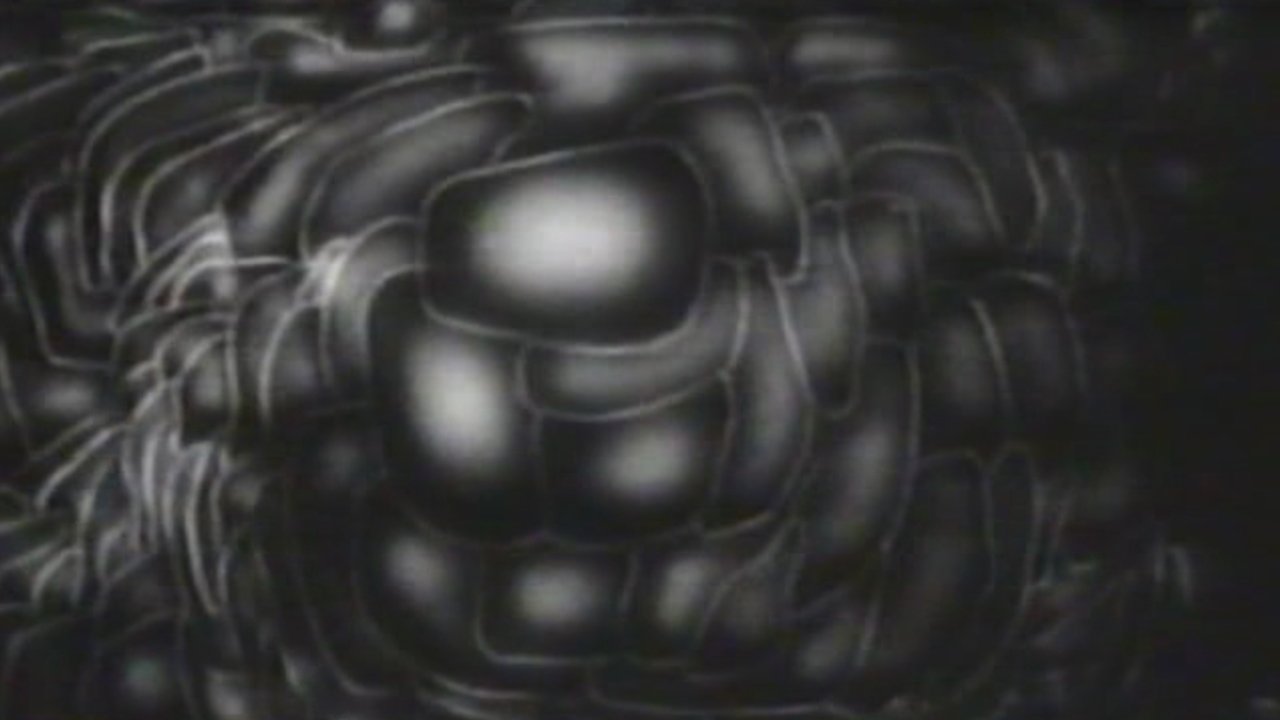


In 1951, a woman died in Baltimore, U.S.A. She was called Henrietta Lacks. These are cells from her body. They were taken from her just before she died. They have been growing and multiplying ever since. There are now billions of these cells in laboratories around the world. If massed together, they would weigh 400 times her original weight. These cells have transformed modern medicine, but they also became caught up in the politics of our age.
There’s enough evidence to insinuate that What We Do in the Shadows is intentionally queer-coded.
How powerful can a story be when it is stripped to the bare essentials of just a room, a handful of people and raw human voice?
This film is a splendid mix of mediums, but its strength lies in its simplicity and beautiful message of closeness.
I highly recommend Dark Waters. It’s a highly engrossing picture, which lends itself to cautionary storytelling. The dark information continually grows, inspiring change and accountability altogether. Overall, Haynes’ picture will not be known for its inclusiveness--but it will be known for being a fantastic, engrossing film.
Ditch the lube and get to the point in the raw, honest, cheeky dramedy written and directed by Mark Schwab.
The nations of Wakanda and Talokan enter war over their opposing viewpoints on dealing with the destructive hearts of humankind on the surface world.