



Everyone’s Welcome in IT: Welcome to Derry
It: Welcome to Derry proves you can have rich representation, real humanity, and still fully enjoy Pennywise terrifying kids in sewers.
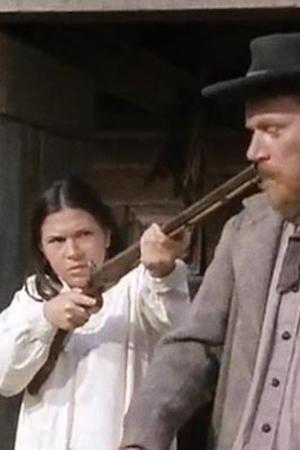


Part of the Daughters of the Country series, this film, set in the 1850s, unfolds against the backdrop of the Hudson's Bay Company's monopoly of the fur trade. In protest, some Métis engage in trade with the Americans. Madeleine, the Métis common-law wife of a Hudson's Bay Company clerk, is torn between loyalty to her husband and loyalty to her brother, a freetrader. Even more shattering, a change in company policy destroys Madeleine's happy and secure life, forcing her to re-evaluate her identity.
It: Welcome to Derry proves you can have rich representation, real humanity, and still fully enjoy Pennywise terrifying kids in sewers.
"Boston Strangler" pulls the curtain back on a well-documented historical moment involving significant contributions from women reporters.
Two Summers ago, on May 27th, 2022, the theatrical cinematic realms were re-awakened from their post-COVID dormant state of being by a little film titled "Top Gun: Maverick". It re-introduced us to the absolute elation of seeing not only a highly anticipated (and, granted, 36 years in the making!) sequel, but the return of the quintessential Summer blockbuster to witness on the BIG screen again.
Where is Lilo's face? Disney marketing sends a chilling signal: that even in 2025, an alien is more palatable and marketable than a brown girl.
‘Killers of the Flower Moon’ is preoccupied with plot and not on the greater struggle of the Osage.
Friendships are tested when two girls have a crush on the popular boy at school.