Mission to Mongo (1977)
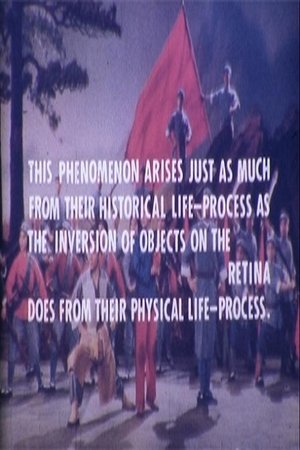
First, I wanted to make a kind of reflexively impoverished Busby Berkeley extravaganza. Second, I was interested in juxtaposing two cultural artifacts–which could be schematized as East/West, socialism/capitalism, propaganda/entertainment, as well as image/sound–and see how they reverberated. In other words, I wanted to make an essay out of things, as well as a communist musical. But the question arose–what was the ideology of such film play? Is MISSION TO MONGO aestheticized politics or political art? –J. H.

- / 5
PopScore
Representation
Pictures and Videos

Movie Information
First, I wanted to make a kind of reflexively impoverished Busby Berkeley extravaganza. Second, I was interested in juxtaposing two cultural artifacts–which could be schematized as East/West, socialism/capitalism, propaganda/entertainment, as well as image/sound–and see how they reverberated. In other words, I wanted to make an essay out of things, as well as a communist musical. But the question arose–what was the ideology of such film play? Is MISSION TO MONGO aestheticized politics or political art? –J. H.
Rating:
Genre:
Written By:
In Theaters:1/1/1977
Box Office:
Runtime:3 minutes
Studio:
Cast

Articles You May Like
Gretel & Hansel Gets Lost in Its Beautiful Woods
Gretel & Hansel falters due to its razor thin story and lack of characterization. It loses sight of horror’s key rule: In order to create an effective tale, characters and emotions must be emphasized.
'Don't Look Up' Wasn't Much to Look Up to
Adam McKay might have been more concerned with cramming cameos than he was in this story which is a bloated criticism of the rich and famous… delivered unto us by the rich and famous.
The Rise of a Kindhearted Comedy Hero: The Anti-Toxic Masculinity Message of Brendan Fraser Films
Throughout Brendan Fraser’s career, he has played a plethora of unique, layered characters who explore the importance of not being afraid to display your emotions, something that is often seen to not be a masculine trait. This idea of regulating emotion and what traits men are able to possess creates a toxic atmosphere for men who are often told they should not cry or represent their emotions in any physical way. These characters represent that men can be joyful, emotionally conscious, and sensitive, while also representing their masculine identity instead of painting those qualities as fighting against their masculinity.
"Sonic The Hedgehog": Gotta Go Fast
Sonic is a pretty generic buddy comedy with a light dusting of eccentricity.
"Queen & Slim" Needs a Trim
Queen & Slim is a nice example of representation in both cast and crew