



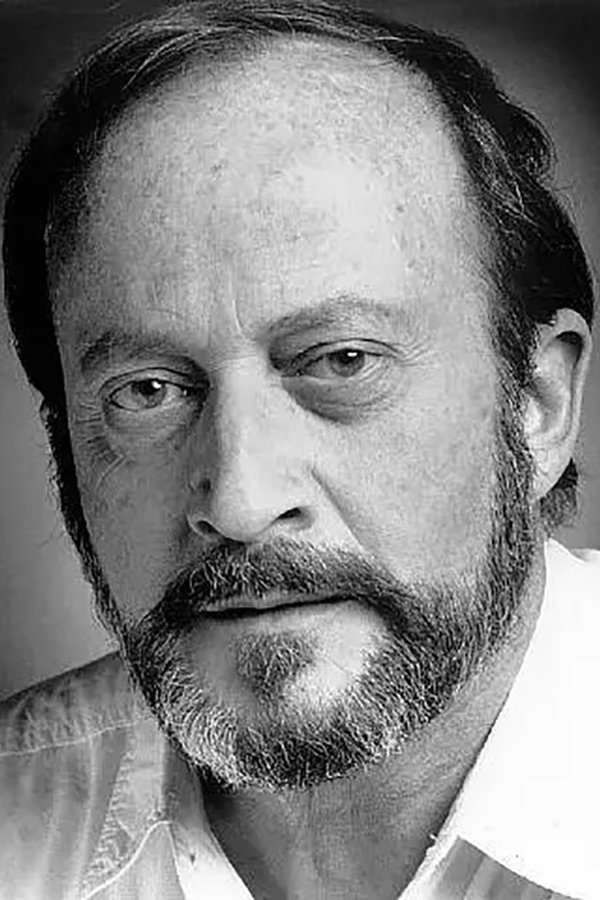
An Interview with Writer/Director Albert Acosta
We sat down with Writer/Director Albert Acosta to discuss his debut short film, (ha-ha), Acosta's foray into narrative cinema, and how his personal experiences have shaped his filmmaking philosophy.



A white collector of Aboriginal art gets a shock when the Mimi sculpture she purchased comes to life.
We sat down with Writer/Director Albert Acosta to discuss his debut short film, (ha-ha), Acosta's foray into narrative cinema, and how his personal experiences have shaped his filmmaking philosophy.
Neo Sora left a realistic and yet hopeful notion for the near future and the now.
This is ambitious horror filmmaking, and in a lot of ways, I fully admire its ambitions. For me, the film’s sloppiness defines its overall quality.
It is the attention to detail that makes Wolfwalkers resonate more than Luca for Queer representation
Attack of the Killer Tomatoes: Organic Intelligence is not merely the fourth sequel in a cult classic film about a delicious vegetable apocalypse: it’s a love letter to slapstick, sight gags, and the original 1978 film. It’s also a meta-comedy, spy-thriller parody taking place in a world where the original film series was a documentary about the horrors of the Tomato War that the government covered up by convincing everyone it was a comedy. Taking place in 2026, Organic Intelligence sees genetically modified tomatoes grown out of control and rising up to attack humanity again - luckily, Agent Maria Sifuentes (Myrna Velasco) of the Federal Vegetable Investigation Bureau is there to uncover the corporate conspiracy behind it, and she won’t take no for an answer.
The Lighthouse is patient and hypnotic, pulling us in with its mysterious atmosphere and characters. The film’s slow pace proves to be monumentally effective, showcasing the tedious nature that comes with isolation and poor two-way communication.