Opposing the Reviews for "Horse Girl"
One of the great achievements of this film is its ability to challenge the mind and to force you to try to process information in a different way than you’re used to.
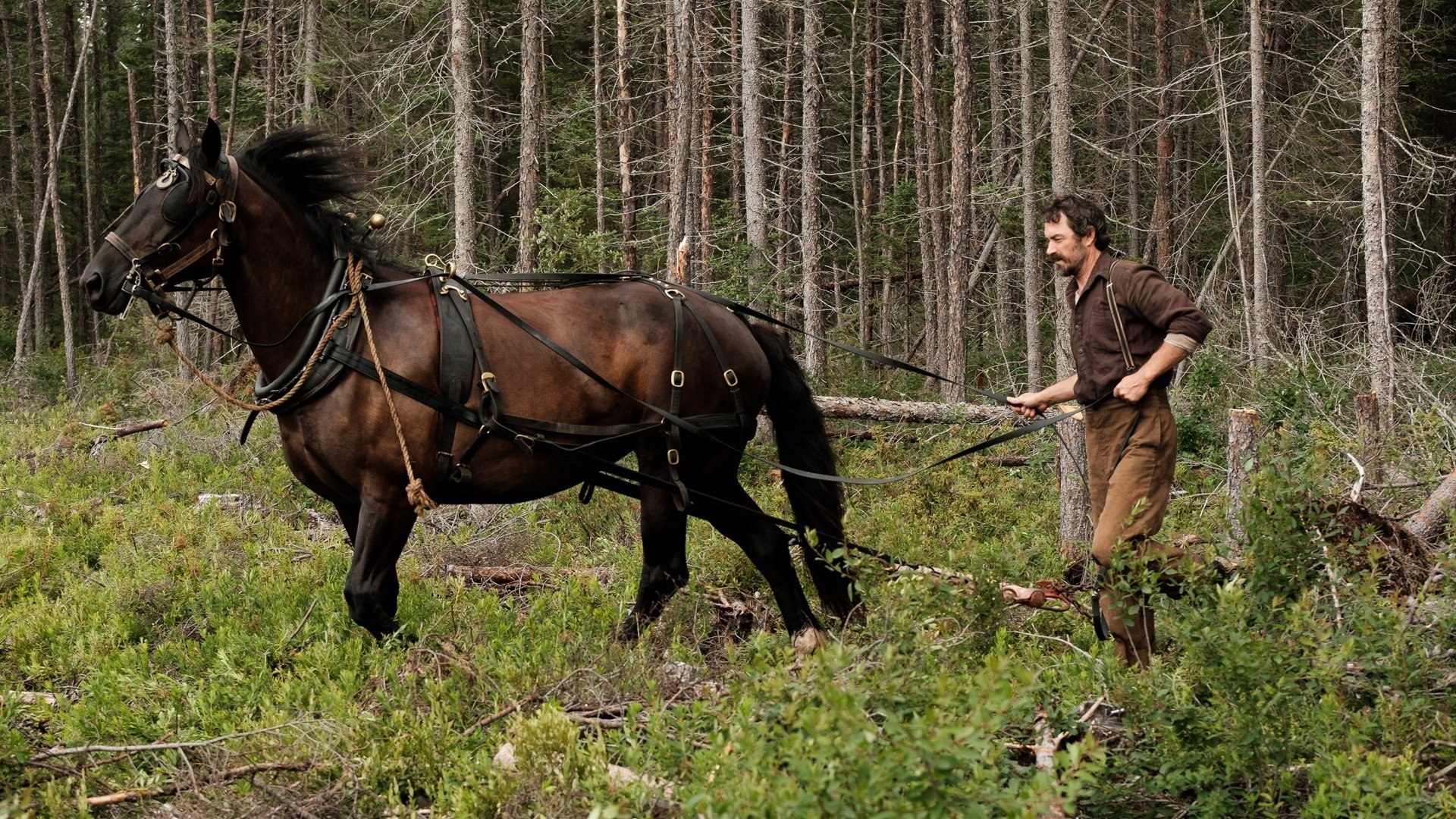
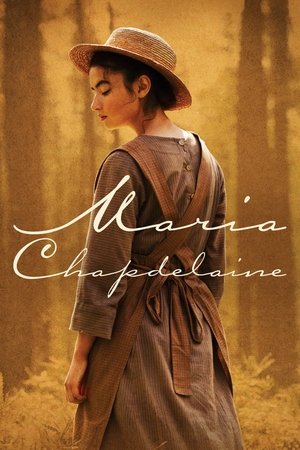


In 1910, Maria Chapdelaine, a young girl of seventeen, lived with her family on the banks of the Péribonka River, north of Lake Saint-Jean. The Chapdelaines work tirelessly to push the limits of the forest. In a home where even physical exhaustion cannot dampen the warmth of family life, Maria, strong and full of hope, finds herself faced with major dilemmas. Thrust into the world of adults, Maria will suddenly be forced to decide on her future as a woman.
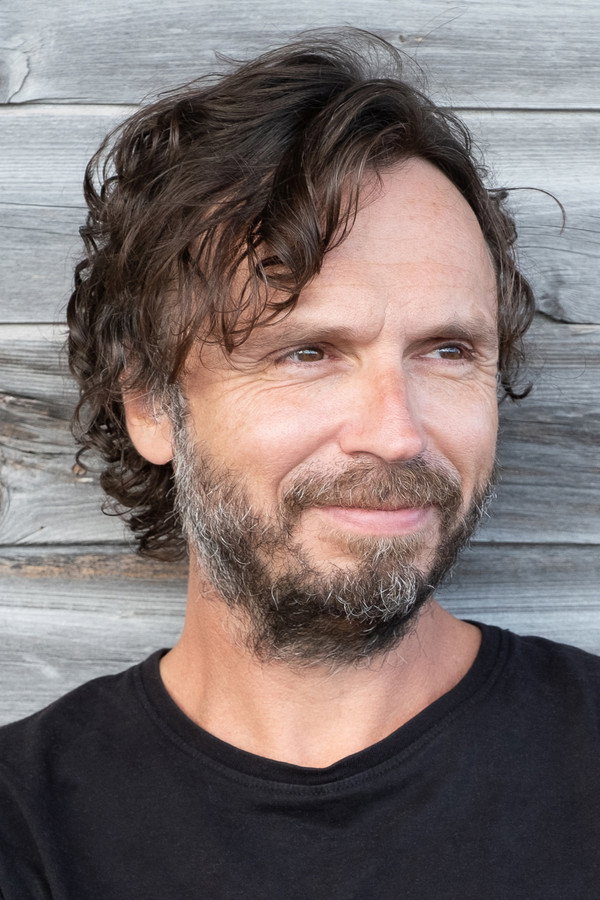
Sébastien Pilote
Director


Sara Montpetit
Maria Chapdelaine
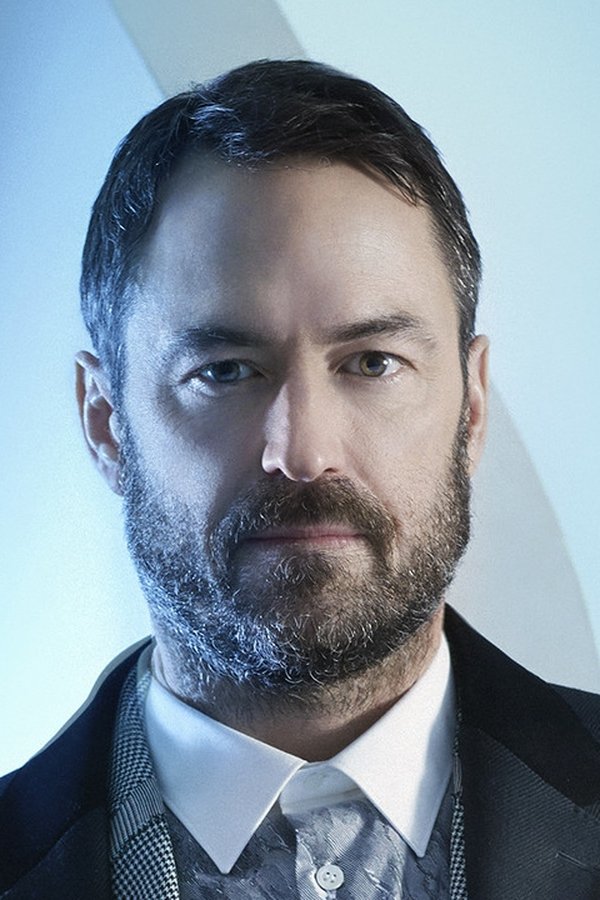
Sébastien Ricard
Samuel Chapdelaine

Hélène Florent
Laura Chapdelaine

Antoine Olivier Pilon
Eutrope Gagnon
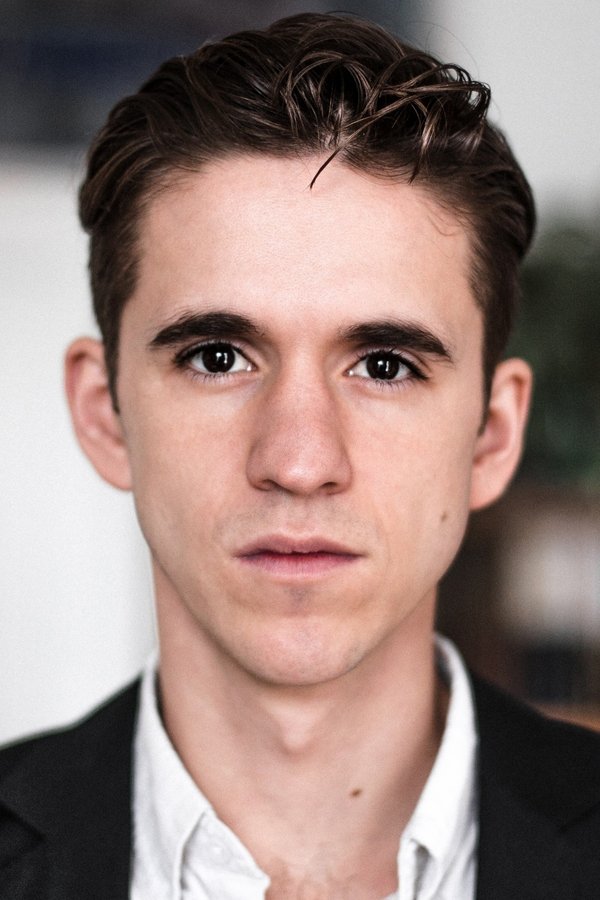
Émile Schneider
François Paradis
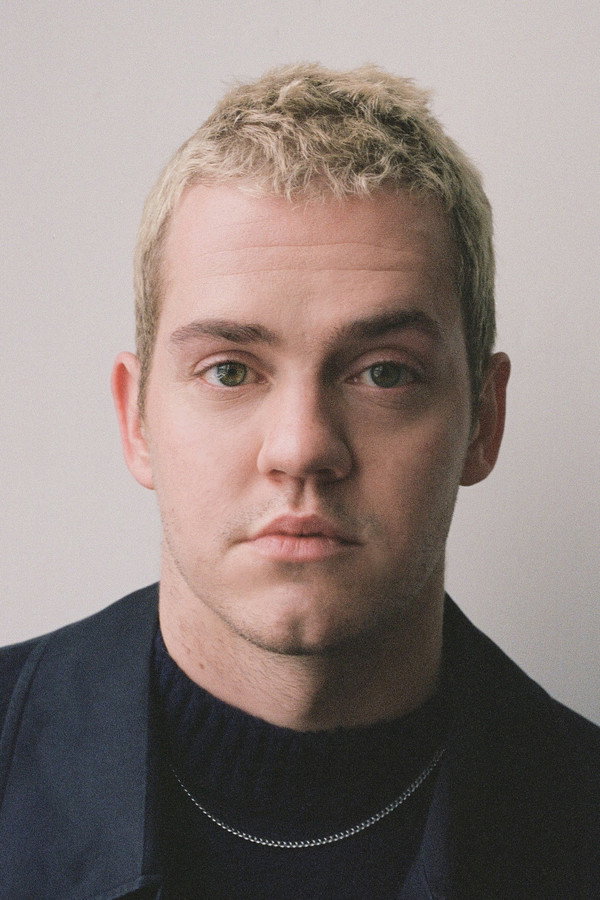
Robert Naylor
Lorenzo Surprenant

Martin Dubreuil
Edwige Légaré

Gabriel Arcand
Le docteur

Charlotte St-Martin
Alma-Rose Chapdelaine

Xavier Rivard
Da'Bé Chapdelaine

Gilbert Sicotte
Éphrem Surprenant
One of the great achievements of this film is its ability to challenge the mind and to force you to try to process information in a different way than you’re used to.
What makes The Matrix saga fascinating is the symbolism of caves and trans allegories
The 2019 film, Vai, takes us through eight stories across the islands of Oceania. The settings are unbelievably beautiful, the cast is beautiful, the languages are beautiful, and the stories are beautiful…but heartbreaking.
The one-way journey went to the desert that refused to offer an answer or a transcendence.
What can I say about this Will Ferrell/Julia Louis-Dreyfus-led “dramedy?” Well, the comedy part of Downhill is completely non-existent. And I should have known that the film was a flop when I walked into an empty theater at a prime time on a Friday night.
Adrian Chiarella’s Leviticus is a beautiful, poignant, enraging, gut-wrenching, and heartbreaking film about the trauma and harm conversion therapy inflicts on young queer people. Even though its classification as horror holds, the emotional bond between the two main characters, Naim and Ryan, elevates the story into a realistic romantic drama on par with Eternal Sunshine of the Spotless Mind.