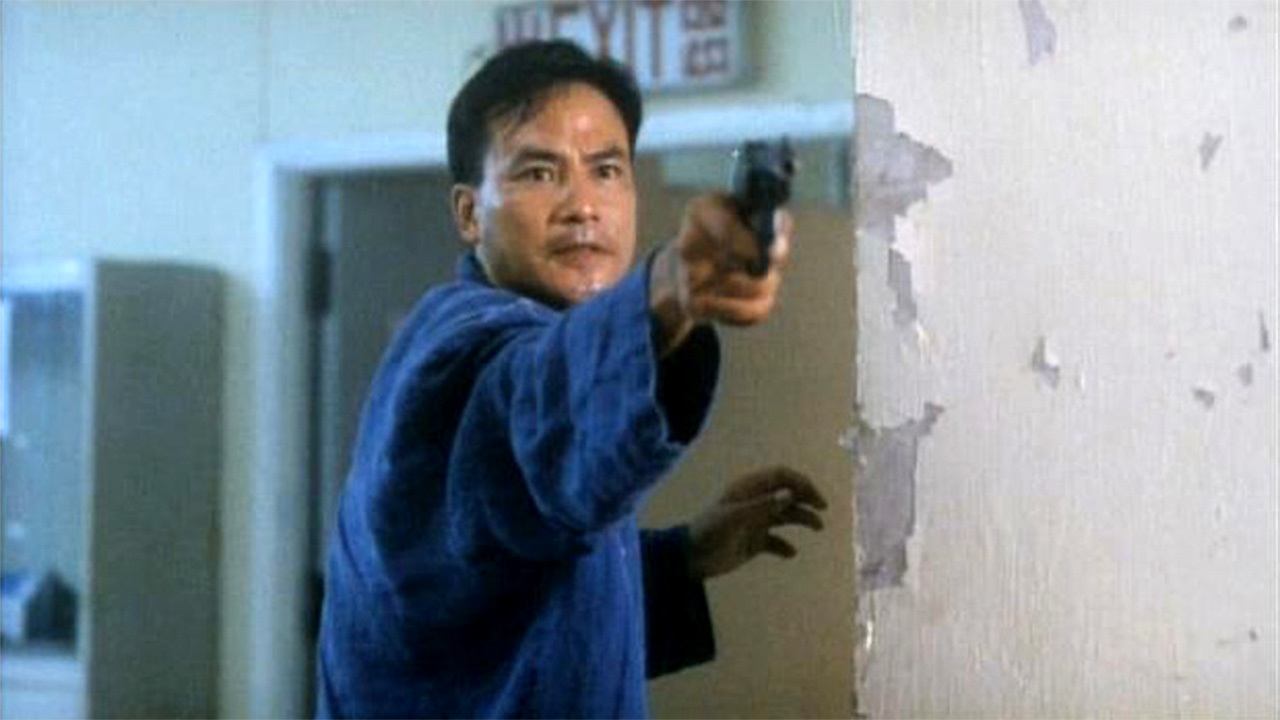
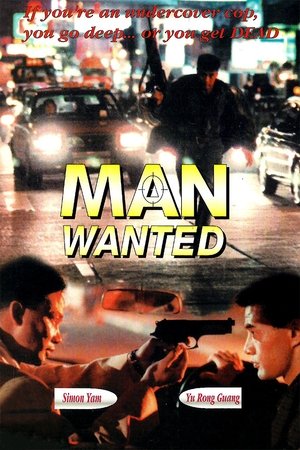




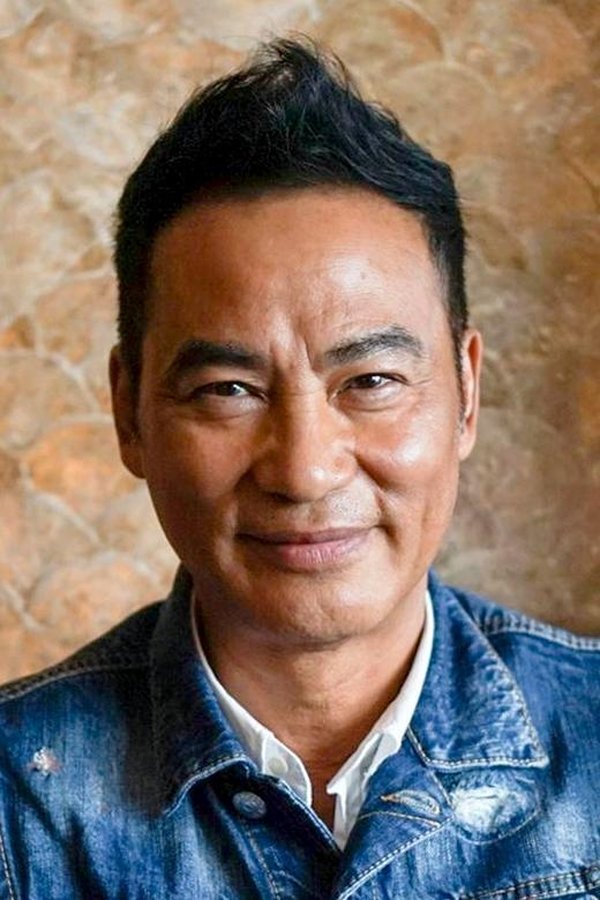





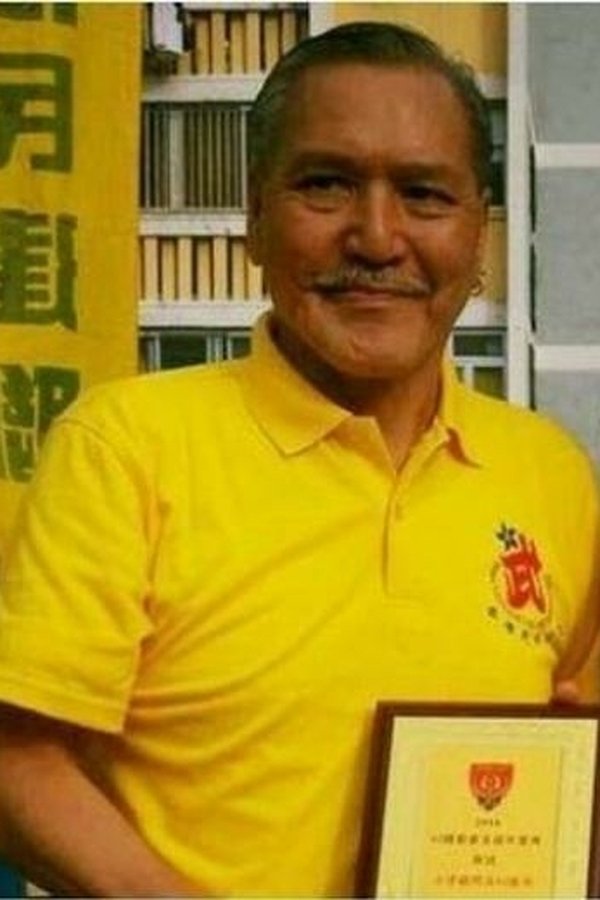

Undercover cop Lok Hwa takes two years to become the trusted lieutenant of rising Hong Kong drug lord, Feng. The night of the big bust, Feng's flaming car crashes spectacularly into the sea; Feng is presumed dead. Hwa returns to the force and to June, his patient girl friend. Also, to save Feng's lover Yung from a life of crime, Hwa gives her his pager number and promises to be there for her. A year later, Feng reappears, asking Hwa's aid with one last task before he returns to the mainland forever. Feeling sentimental, Hwa agrees to help and finds himself set up to take the fall in a drug war. June is in danger, too, and death awaits as Yung realizes it's Hwa she loves.
Moonlight is a film that will certainly be remembered for how it won Best Picture, but the movie itself should be known for its excellent representation of one of the most underrepresented groups in film: Black, gay men.
Throughout Brendan Fraser’s career, he has played a plethora of unique, layered characters who explore the importance of not being afraid to display your emotions, something that is often seen to not be a masculine trait. This idea of regulating emotion and what traits men are able to possess creates a toxic atmosphere for men who are often told they should not cry or represent their emotions in any physical way. These characters represent that men can be joyful, emotionally conscious, and sensitive, while also representing their masculine identity instead of painting those qualities as fighting against their masculinity.
An episode of "The Sopranos" articulates an identity crisis unique to the Italian-Americans and demonstrates how Indigenous communities are pushed aside in the ensuing debate.
The multifaceted musical represents America in the 1960s and the battle against bigotry as an ensemble cast portrays how to fight for the limelight.