Trans Allegories in Film: 'The Little Mermaid' (1989)
Films can alleviate alienation by presenting realities where the viewers feelings are shared by onscreen characters. 'The Little Mermaid" film can be interpreted as a transgender story.




The activities of rampaging, indiscriminate serial killer Ben are recorded by a willingly complicit documentary team, who eventually become his accomplices and active participants. Ben provides casual commentary on the nature of his work and arbitrary musings on topics of interest to him, such as music or the conditions of low-income housing, and even goes so far as to introduce the documentary crew to his family. But their reckless indulgences soon get the better of them.

Rémy Belvaux, Benoît Poelvoorde, André Bonzel
Director

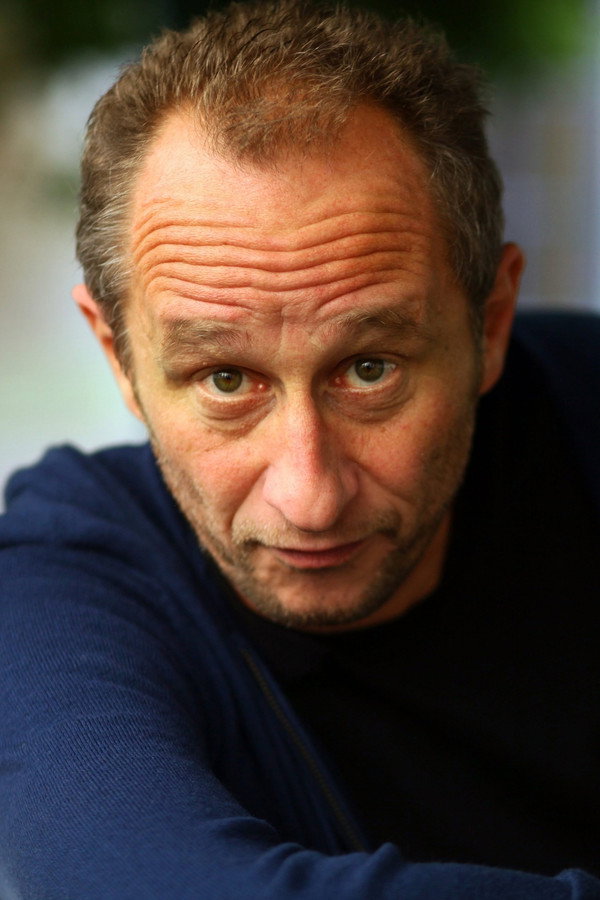
Benoît Poelvoorde
Ben
Rémy Belvaux
Rémy
André Bonzel
André
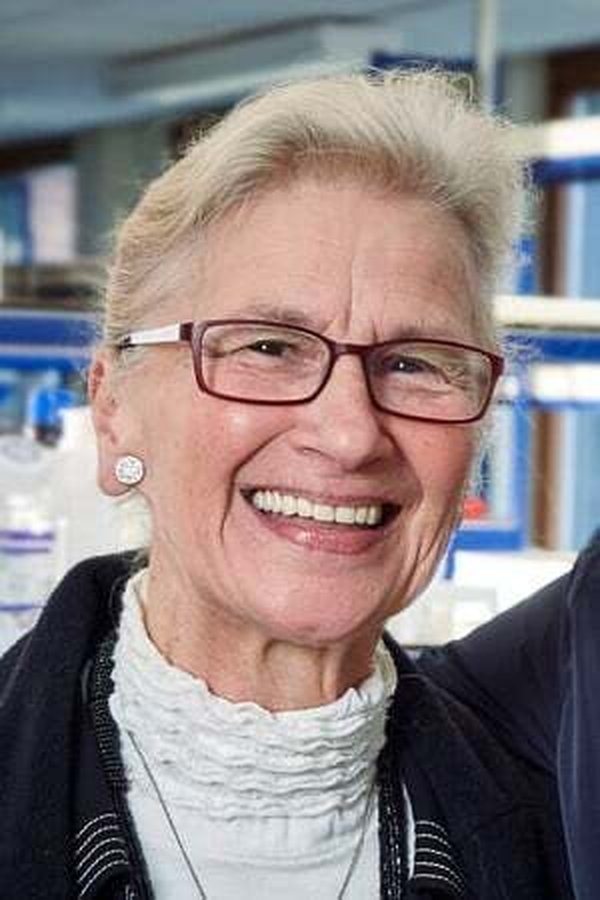
Jacqueline Poelvoorde-Pappaert
Ben's Mother
Valérie Parent
Valerie
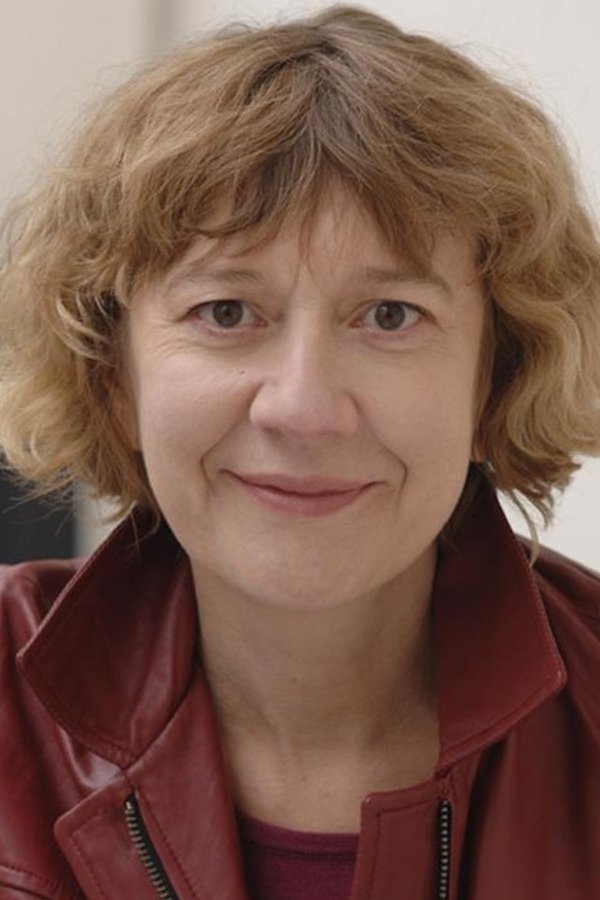
Édith Le Merdy
Nurse
Jenny Drye
Jenny
Malou Madou
Malou
Willy Vandenbroeck
Boby
Nelly Pappaert
Ben's Grandmother

Hector Pappaert
Ben's Grandfather
Films can alleviate alienation by presenting realities where the viewers feelings are shared by onscreen characters. 'The Little Mermaid" film can be interpreted as a transgender story.
Having Sersi be the central force in Eternals is unprecedented in its viewpoint and focus, from demonstrating a gentle type of leadership, to being overlooked in a group setting but succeeding in the goal at hand anyways, to having romantic options, to strength and integrity, and majority screen time - for a group that's given less screentime than aliens.
Deborah (Jean Smart) and Ava (Hannah Einbinder) are a delight to watch evolve, sometimes devolve, then evolve again.
Strangers in a crowd, exchanging glances, looking away, continually managing to run into each other then part ways, end up at the same diner, find they've rented the exact same vehicles, and are then made to travel together to learn once more whether they can both find genuine adoration and companionship again. This really does, in so many words, sum up the foundational gist of of this new feature film from writer Seth Reiss ("The Menu") and director Kogonada ("The Acolyte", "After Yang"). Yet, it's all only the set-up for the REAL wonder of everything that happens before, during, and in the aftermath of a magical, meaningful journey.
How do zombie films shine new light in the post-Covid and post-Brexit era?