“Spider-Man: Brand New Day” Isn’t Very New
This is a film that is going to leave some people bored, and some people thrilled.




As Lupin's mentor Don Dolune lies on his deathbed, he hands the master thief a gift, the diamond named Twilight. Though it's only half the treasure — the other half of the Twilight can be found in Morocco. Lupin must contend with his on-again-off-again-partner Fujiko, his feelings for the mysterious Lara, and the relentless whip-wielding maniac Sadachiyo in order to bring Twilight back to its full glory.

Gisaburō Sugii
Director


Kanichi Kurita
Arsène Lupin III (voice)

Kiyoshi Kobayashi
Daisuke Jigen (voice)

Eiko Masuyama
Fujiko Mine (voice)
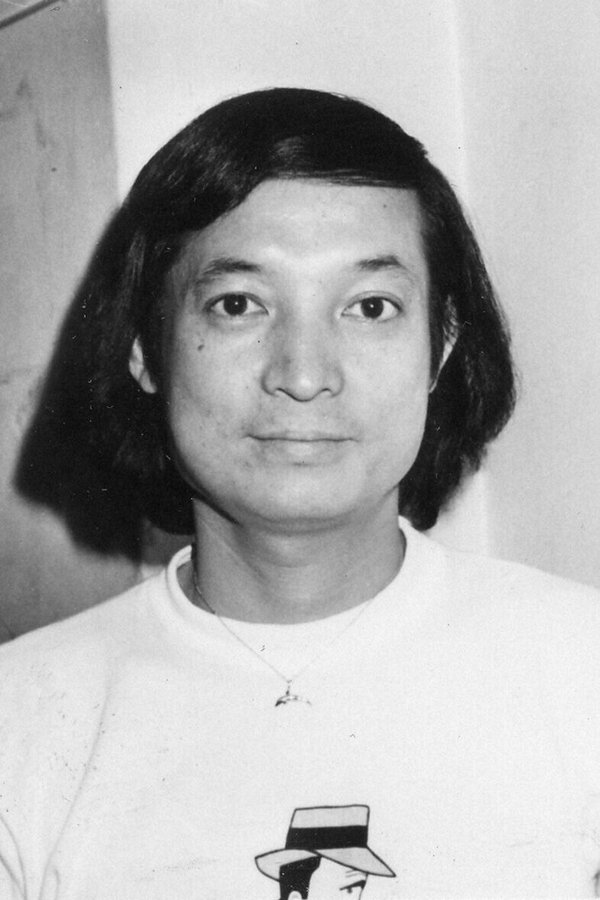
Makio Inoue
Goemon Ishikawa XIII (voice)

Gorō Naya
Inspector Koichi Zenigata (voice)

Aya Hisakawa
Lara (voice)

Yuzuru Fujimoto
Captain (voice)
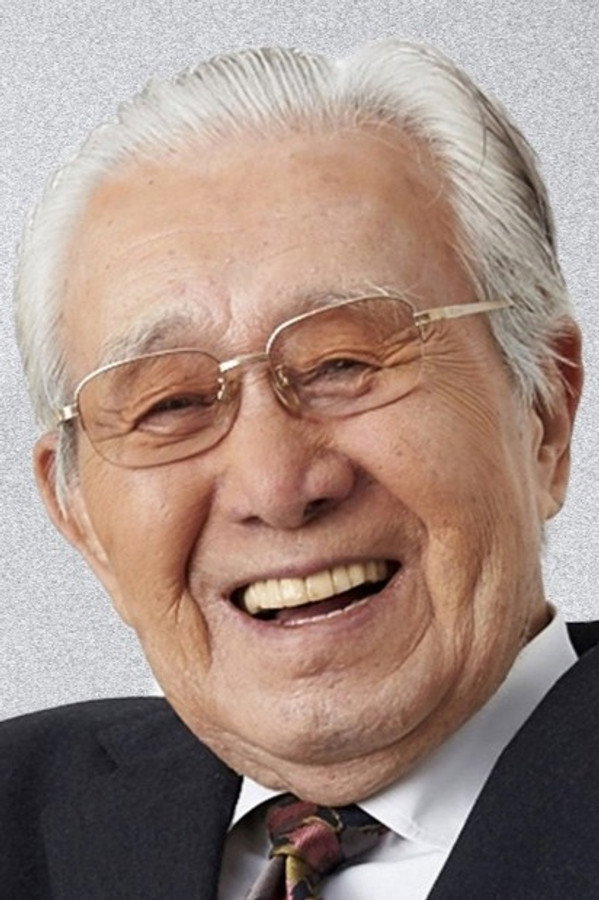
Shūichirō Moriyama
Dolune (voice)

Koichi Kitamura
Hikari (voice)

Takayuki Sugo
Jean Pierre (voice)

Hisako Kyoda
Old Woman (voice)
This is a film that is going to leave some people bored, and some people thrilled.
Han's turn to villainy in 'Frozen' was foreshadowed cleverly in the story.
This Netflix series is about Ashley Garcia, who gets a once in a lifetime opportunity to work at NASA.
Based on the fairy character from previous movies, this fantasy movie gives viewers magic.
David Fincher is back in his playpen, with a dark and chilling thriller.
Masterful satire that shines a light on the struggles of Black creatives.