



Christmas Magic in A Cinderella Story: Christmas Wish
When the retelling of the Cinderella fairy tale and a holiday spirit come together, viewers learn about class issues as well as perseverance despite setbacks.

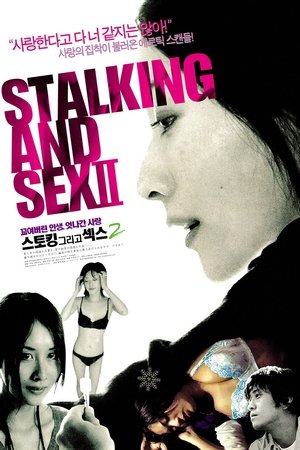


Yuko Yajima works at a library. To her co-workers she appears as an extremely shy and introverted person who hardly lets anyone know her true feelings and never smiles. However her interest in a man living in room 202, Mamoru Kosino, leads Yuko into some risque behavior. The interest turns into obsession, as Yuko's jealousy turns into a thrilling game where she sneaks into apartments and scares tenants away, hoping to have Mamoru all to herself.
When the retelling of the Cinderella fairy tale and a holiday spirit come together, viewers learn about class issues as well as perseverance despite setbacks.
“To be universal, you have to get specific”: while the film does not attempt to provoke discussions about queerness or race, those watching closely may find something resonant in Sorrentino’s love letter to the Naples of his youth.
The 1950s lesbian romance is stunning, emotional, restrained, and, simply put, one of the best movies I’ve ever seen depicting a woman-loving-woman (WLW) relationship.
Passing is a visually stunning portrayal of Larsen's story with an inclusive cast, and the performances of Thompson and Negga are sensational.
Him is visually stunning—all concrete cathedrals and bone-rattling impact shots that look like a nightmare highlight reel. Marlon Wayans is magnetic as this legendary quarterback who's basically selling salvation with a smile that never quite reaches his eyes. But the story keeps running in circles: more tests, more cryptic pep talks, more ritualistic drills. The sports-as-religion metaphor beats you over the head when subtlety would've been more effective. The middle drags, and that finale chooses spectacle over substance. It's undeniably stylish, but left me cold. Also worth noting: despite the Monkeypaw connection, this isn't actually a Jordan Peele film—he didn't write or direct.
A recent look at gender and racial diversity in film shows some signs of progress. However, white men still make up the vast majority of actors and directors in top-grossing films.