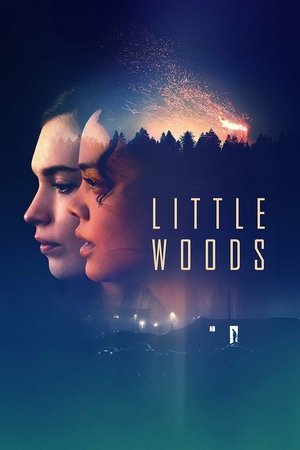
Little Woods (2019)
For years, Ollie has illicitly helped the struggling residents of her North Dakota oil boomtown access Canadian health care and medication. When the authorities catch on, she plans to abandon her crusade, only to be dragged in even deeper after a desperate plea for help from her sister.

4.5 / 5
PopScore

Incluvie Stamps
Representation
Incluvie Movie Reviews
Incluvie Writer
March 2, 2021
4.5 / 5
PopScore
Incluvie Stamps
"Little Woods: A Powerful New Take On The Western Genre
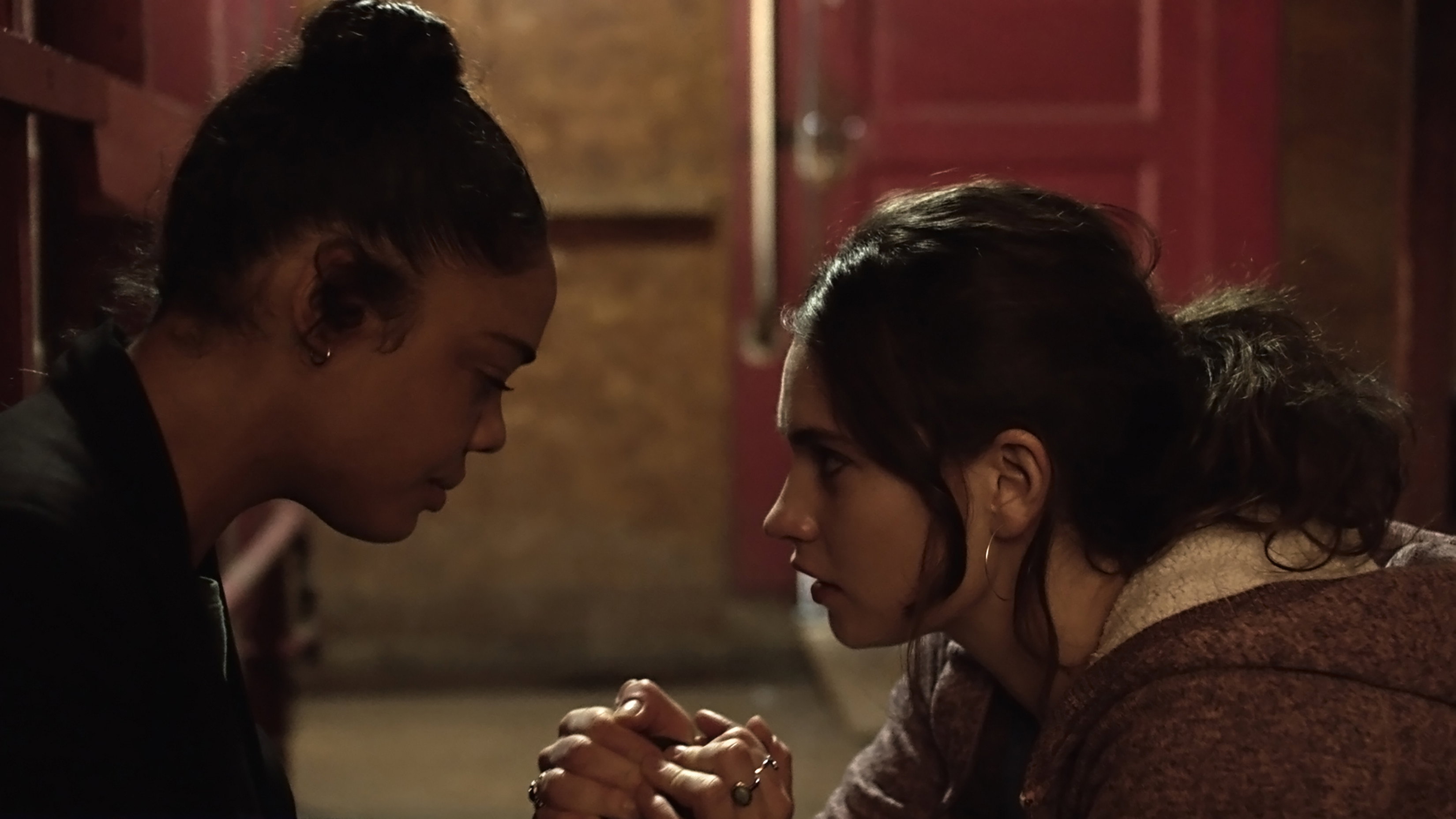
Little Woods stars Tessa Thompson as Oleander (a.k.a. Ollie), a woman living in North Dakota who’s on probation for selling medication to townsfolk in an effort to provide them access to healthcare. Ollie has left this part of her life behind her after getting caught, but this changes when her sister Deb (Lily James) comes to her in a desperate plea for help. She needs to find a way to afford an abortion, and fast. In an effort to help her sister, Ollie returns to her crusade, only to suffer through various obstacles along the way. A brilliant feature debut by Nia DaCosta, tells a powerful story of family and the lengths people go to in order to protect their loved ones.
Little Woods is a fresh take on the western genre that both critiques the male-centric lens westerns are typically told through while touching upon important issues such as reproductive rights. The performances given by Thompson and James are outstanding and powerful in their subtlety and nuance. Though the acting is all-around fantastic, the two leading women make the film what it is, and the relationship between them acts as an emotional tether for the audience. They’re family, and despite any fights the two may have, they clearly love and care for one another deeply and would do anything to protect the other.
Ollie and Deb's actions are often dangerous, with huge risks involved, but the depth of their bond with each other makes these actions believable and understandable. It is impossible to not sympathize with these women and their struggles. Little Woods examines the misogyny and classism often inherent in the healthcare industry deftly, and this critique is vital to the overall story.
Pictures and Videos

Movie Information
For years, Ollie has illicitly helped the struggling residents of her North Dakota oil boomtown access Canadian health care and medication. When the authorities catch on, she plans to abandon her crusade, only to be dragged in even deeper after a desperate plea for help from her sister.
Rating:R
Genre:Drama, Thriller
Written By:Nia DaCosta
In Theaters:4/19/2019
Box Office:
Runtime:103 minutes
Studio:Water's End Productions, Automatik Entertainment, Buffalo Picture House, Extra A Productions, Stoneboies Entertainment, Tango Entertainment









Articles You May Like
Will You Go to Ryan Murphy’s “The Prom” With Me?
12 Films Exploring the Complexity and Adventures of Growing Old
When most of us think about diversity in film, we usually think about three things: race, gender, and disabilities. However, there is a forgotten topic... age. These are 12 of the best films about growing old.
'One Missed Call': When an Onryō Goes Digital
In a world where we hear ringers and beepers at every corner, technology feels inescapable. This is why technology is often an enemy in Digital J-horrors, like One Missed Call.
Trans Allegories in Film: 'Robots' (2005)
Animation as a medium of storytelling can be thought to be open to all ages and as I hope my readings will reveal, they could be interpreted as transgender stories.
Garden of an Angry God: when the nightmare of guilt crawls out to the daily life
The repeated actions, the blood on the petals, the rustling under the floor…An ambient short horror film takes us into another realm.