




"Nightborn" and Why We Need More Feminist Horror
Coralie Fargeat once said that “Being a woman is body horror,” and when you think about the ways we are taught to experience our own bodies, it becomes almost impossible to argue with her.
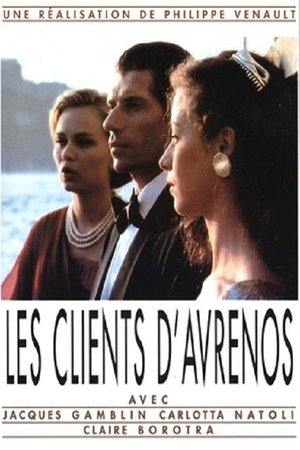


Istambul, 1967. Two women meet at Avrenos, a tavern in the old city. Nouchi, the brunette, is mourning the death of Bernard de Jonsac, an employee of the French Embassy who recently died. It is Lélia, the blonde, who asked her to come. She wants to understand the ties that bound them both to Jonsac, to understand the strange couple that this desperate dandy formed with Nouchi, the ex-Bulgarian bar girl. Lélia, the middle-class woman from Istanbul, wants to understand at last, ten years after the tragedy that has left her confined to a wheelchair for life...
Coralie Fargeat once said that “Being a woman is body horror,” and when you think about the ways we are taught to experience our own bodies, it becomes almost impossible to argue with her.
This Netflix series is a remake based on the book series of the same name with a more diverse main cast.
To say Hollywood has had a troubled past is the understatement of the century. In Ryan Murphy’s (American Horror Story) new Netflix series, Hollywood, that past is confronted and even rewritten.
A lot of us are emotionally impacted by the current pandemic. So, while we’re all stuck here in our homes, it’s great to put on a movie to ease the stress. With that, I made up a small list of some of my favorite feel-good movies.
Tarantino's alternative history of the 1960's uncritically repeats the era's sexist and racist stereotypes.