



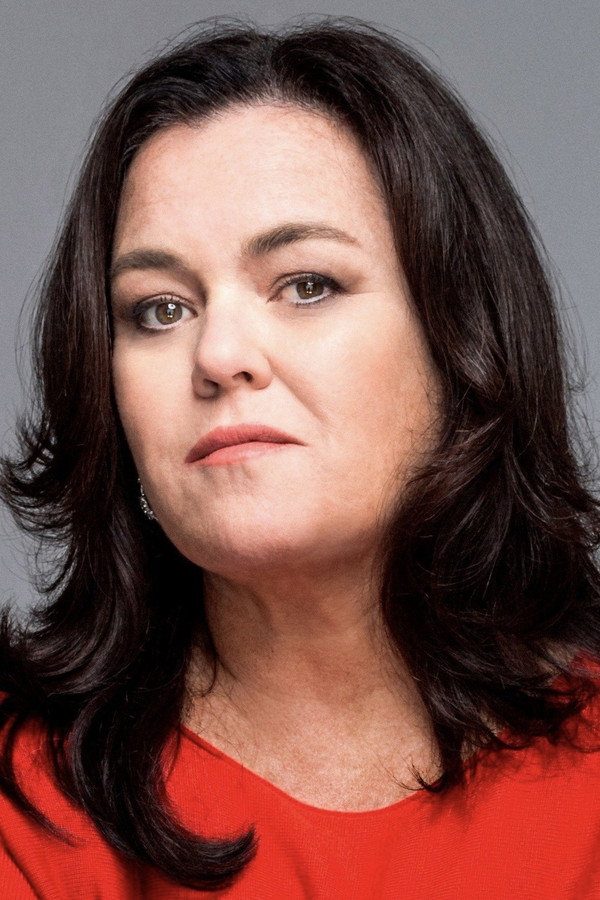


Baring it all in 'The Bear'
Personalities clash and tempers fume in a family-run Chicago restaurant
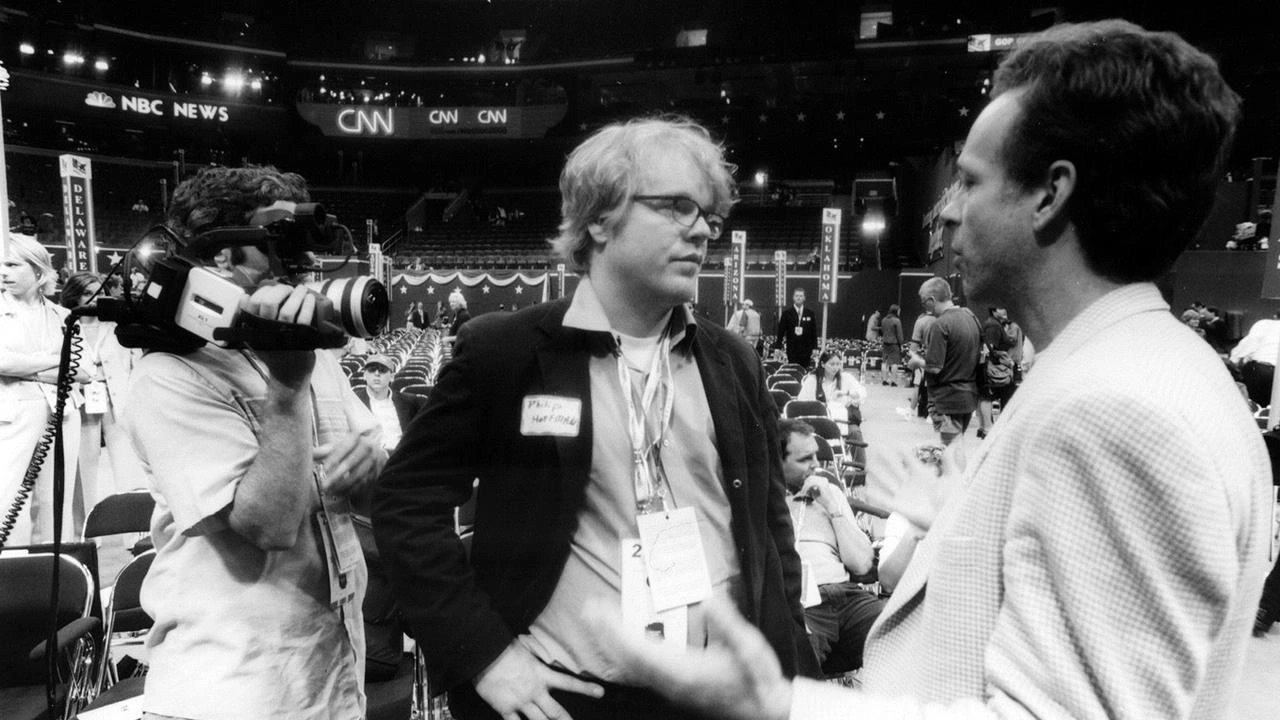



Filmed over the last six months of the 2000 Presidential election, Phillip Seymour Hoffman starts documenting the campaign at the Republican and Democratic National Conventions, but spends more time outside, in the street protests and police actions than in the orchestrated conventions. Hoffman shows an obvious distaste for money politics and the conservative right. He looks seedier and more disillusioned the campaign progresses. Eventually Hoffman seems most energized by the Ralph Nader campaign as an alternative to the nearly indistinguishable major parties. The high point of the film are the comments by Barney Frank who says that marches and demonstrations are largely a waste of time, and that the really effective political players such as the NRA and the AARP never bother with walk ins, sit-ins, shoot-ins or shuffles. In the interview with Jesse Jackson, Hoffman is too flustered to ask all of his questions.
Personalities clash and tempers fume in a family-run Chicago restaurant
The Rocky Horror Picture Show not only supported Tim curry queer individuals who were closeted or harassed. It made people question their identity, orientation, and lifestyles that they never had before.
Ultimately the problem with The Bubble is that it plays everything for laughs to get around the audience’s defenses. But it comes off like a privileged white male thinking that ridiculing everyone else equally is the road to equality. And it’s not. And it's definitely not funny to pretend that it is.
While this film thinks that it is diagnosing the cause, it is merely diagnosing a symptom instead.
The justice system in the United States of America is supposed to operate as you are deemed innocent until proven guilty. But "When They See Us" shows what happens for Black people is they are deemed guilty until proven innocent.
... La huesera haunts her daily life, leaving people to question her viability as a mother, and Valeria’s lack of satisfaction with her life leave her asking similar questions. These misgivings reach their peak after the baby is born, when Valeria, visibly in a state akin to possession, locks her in the fridge when she won’t stop crying through the night