Building "Herself" Back Up After Psychological & Physical Trauma
The film illustrates the life of a single who struggles to provide an ideal childhood for her two daughters.
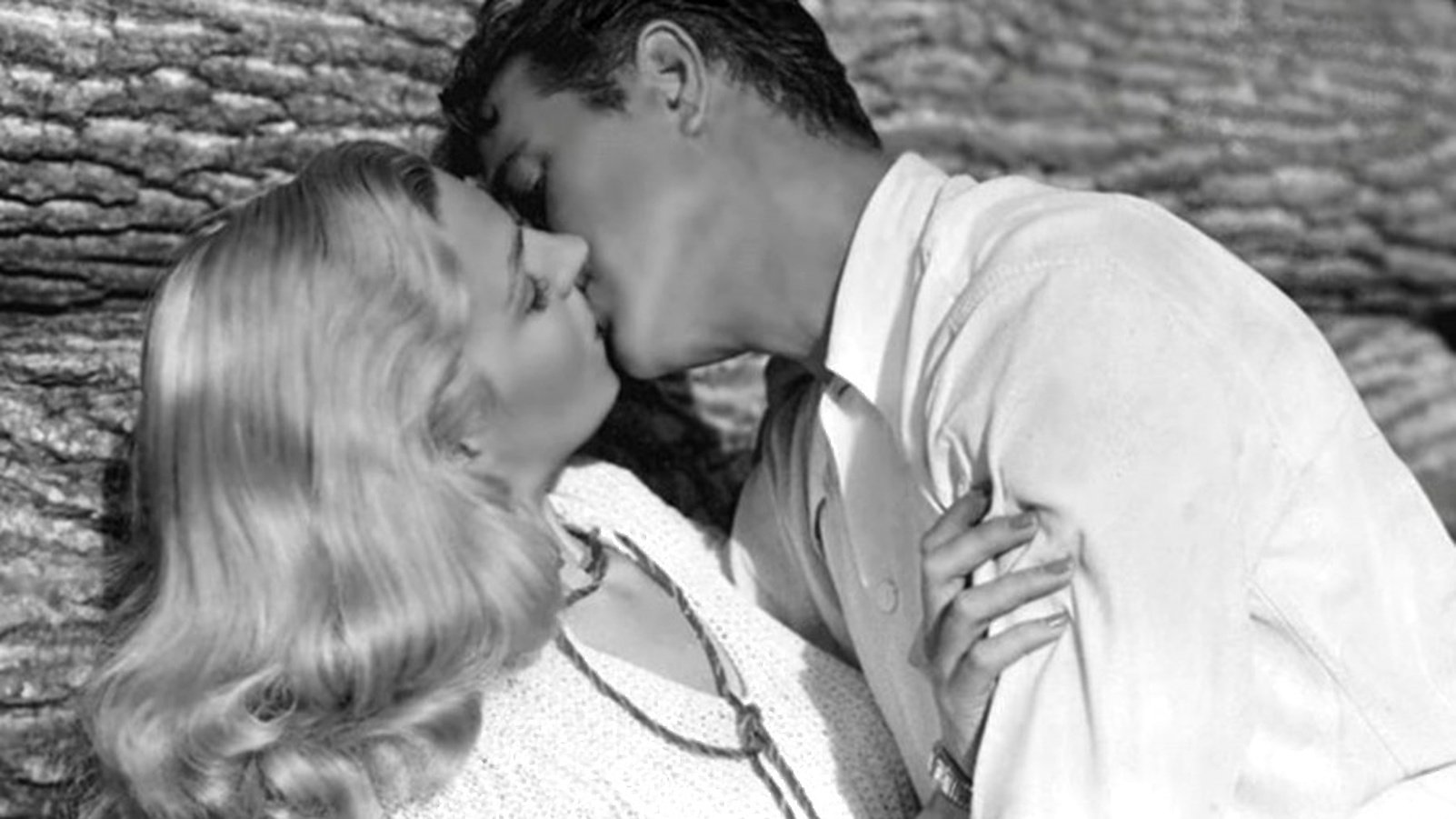
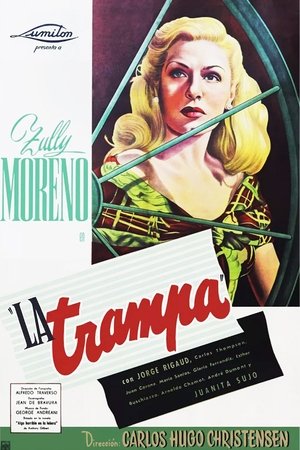


A lonely woman marries a man without getting to know him.
Carlos Hugo Christensen
Director


Zully Moreno
Paulina Figueroa
George Rigaud
Hugo Morán / Paul Deval

Juana Sujo
Agatha Valle
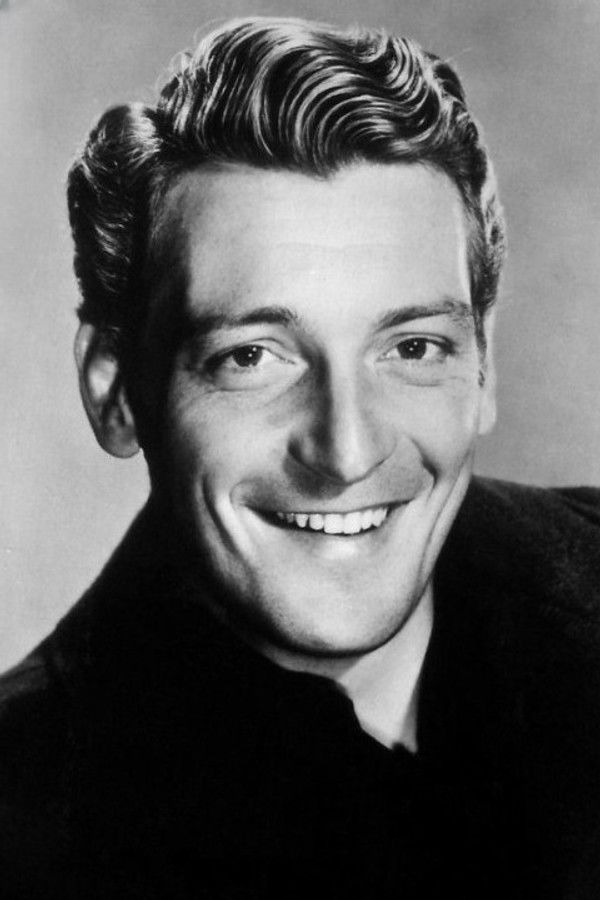
Carlos Thompson
Mario Casares

Guillermo Battaglia
Relator
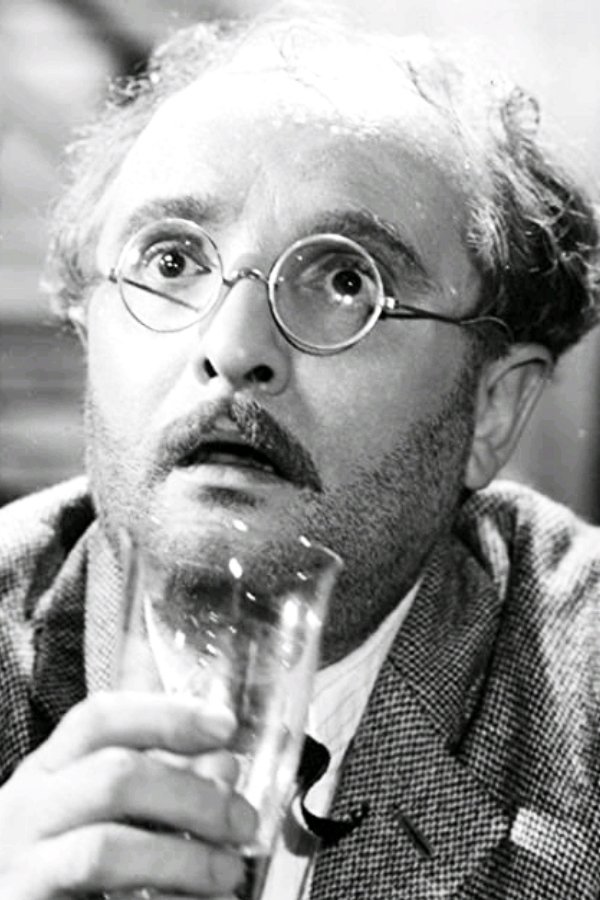
Juan Corona
Dr. Vargas
María Santos
Srta. Martín
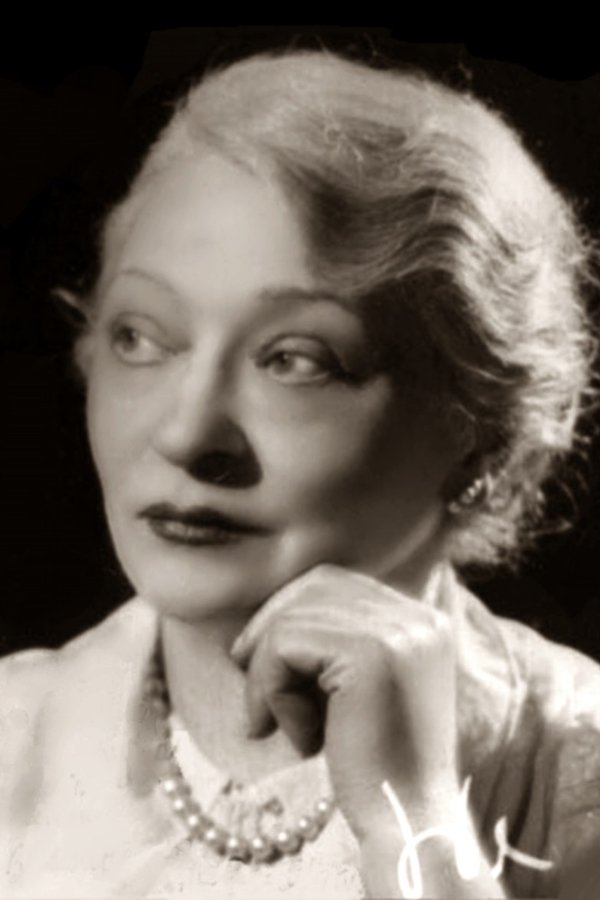
María Esther Buschiazzo
Josefina
Gloria Ferrandiz
Sra. Salcedo
Arnoldo Chamot
Raquel Notar
The film illustrates the life of a single who struggles to provide an ideal childhood for her two daughters.
In The Women and the Murderer, directors Mona Achache and Patricia Tourancheau center women—the very demographic true crime is designed to appeal to.
'Young Royals' is a great example of positive gay representation in its two main protagonists, but the supporting characters are often frustratingly selfish.
The Rocky Horror Picture Show not only supported Tim curry queer individuals who were closeted or harassed. It made people question their identity, orientation, and lifestyles that they never had before.
Disney/Pixar may see a bit of a turning point with Pixar’s new Disney+ Sparkshorts short film: OUT.
The development of existing characters and the addition of some new ones have surely placed 'Ted Lasso' on some sort of an Incluvie A-OK list.