



‘The World to Come’ Movie Review: A Stunning Period Romance
Mona Fastvold’s nineteenth century lesbian romance is emotionally charged, restrained, and poetic without feeling forced.

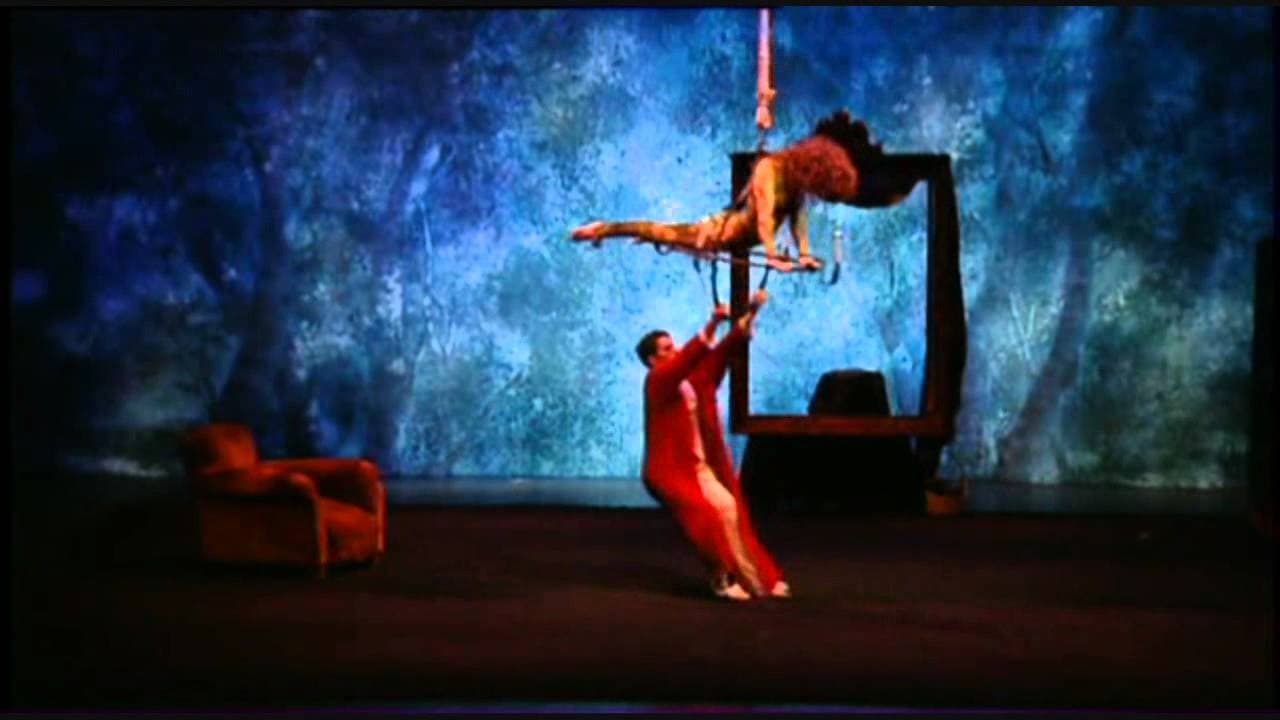
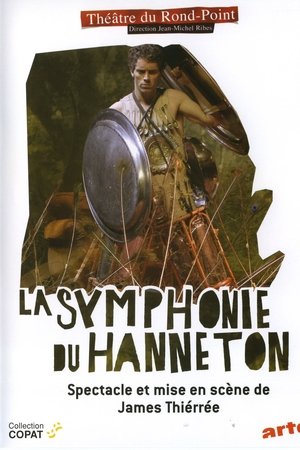
It starts in one room: a young man in pajamas lies down and sleeps. He agitates, turns, returns. He is recovering, sits on his bed and a cloud of smoke is coming from his skull, he loses an arm, a leg. He enters a fantasy world where all objects come to life. The swallowed pillow passes his door, a reflection of the mirror emancipates, the portrait of the table rebels and sings his dismay. Dishes and utensils are transformed into a fabulous bestiary where dragon and rhinos are fighting. Gags in cascade, anachronistic nose-feet in acrobatics, juggling on the trapeze, dancing lyric songs, James Thiérrée puts the reality upside down and takes us into a surreal and dreamlike symphony played by interpreters to staggering energy.
Mona Fastvold’s nineteenth century lesbian romance is emotionally charged, restrained, and poetic without feeling forced.
This anti-love young adult movie includes mature topics and dialogue.
In addition to the cast being delightfully diverse this time around, the film was just loosely-plotted and action-packed enough to keep a casual fan like myself entertained. While I do agree that the writing of Cole left much to be desired for an original character thrust into a preconceived universe, none of the characters seemed particularly fleshed out in terms of personality; however, I think that's to be expected when you're watching a film literally inspired by a video game.
Ralph and Vanellope unpack lots of surprises for those who love going on the Internet.
Set in a future dystopian United States in which water is running out, Julia Hart’s Fast Color (2018) is a refreshingly different take on the superhero film.
Shortly after season two of Fleabag dropped on Amazon Prime in 2019, Barack Obama put it on his list as one of his favorite television series of the year.