




Lady and the Tramp: A Charming Remake
A wholesome love story that's perfect for fans of romance movies and animal lovers.
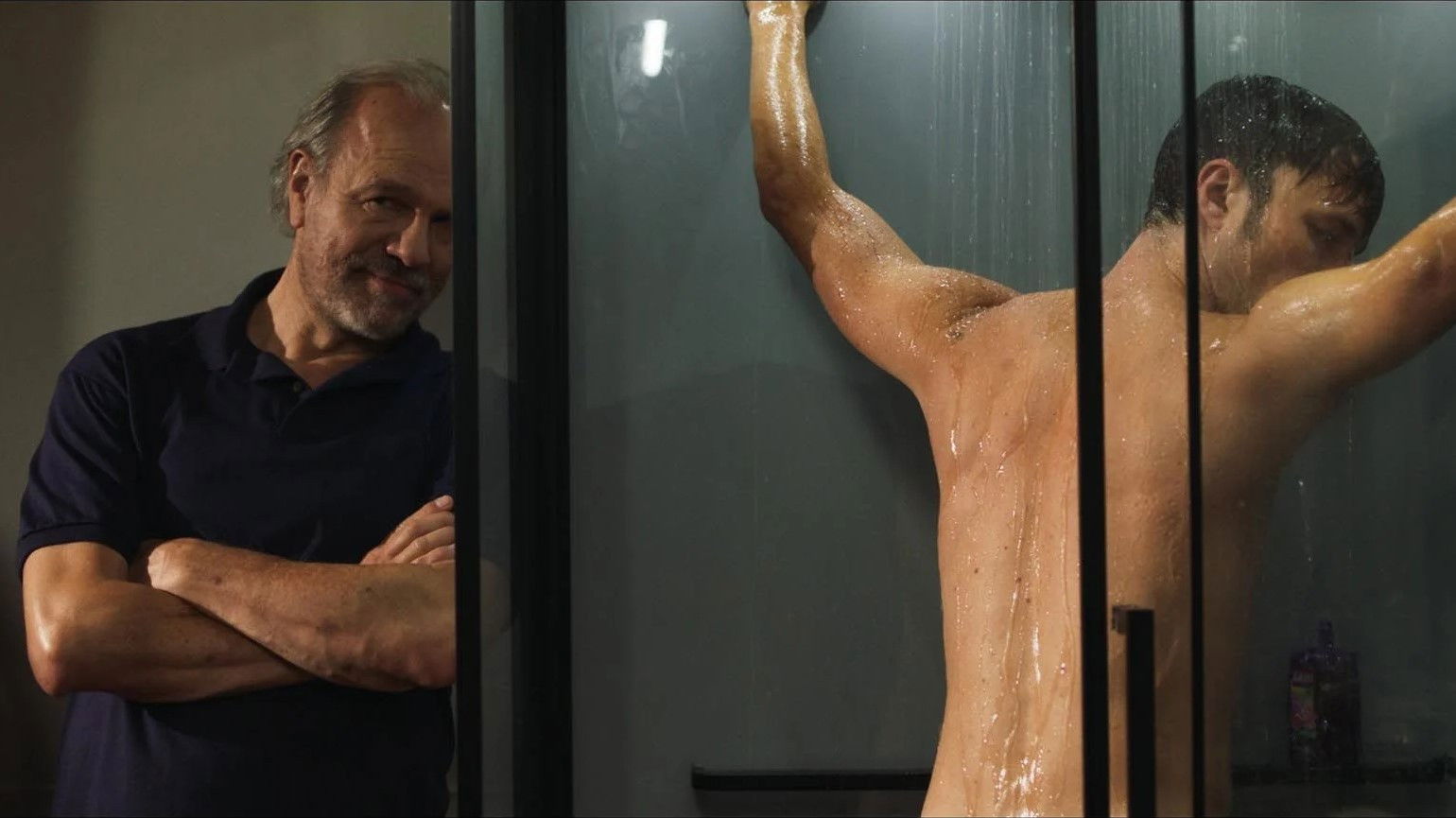



Malina, a young Iranian immigrant, visits Jean in his beautiful downtown apartment. She wants to know why her boyfriend Denis, who is working on Jean's apartment, lingers after hours, showering in front of Jean's wife Paula. Step by step, Jean and Paula get to know Denis and Malina, sliding from prostitution to friendship, from unacknowledged desires to more sincere affection, from love to family - a new kind of family, including the desire for a child. Overcoming trials and taboos, this quartet lays the concrete foundations for a new ideal of love, with great freedom, both carnal and intellectual.
A wholesome love story that's perfect for fans of romance movies and animal lovers.
In this short film, writer/director Nikita Hattangady focuses on Jai, a starving artist rooted in the latter category. Though unhoused, he works hard.
Considering the runtime, I expected each scene to hit harder as opposed to a series of montages and vignettes.
Disney has a glaring and, up until recently, unaddressed issue that spans nearly its entire lifetime - an absence of diversity.
Netflix’s new mystery thriller, The Marked Woman (released originally as La Desconocida), is confusing. More critically, though, it commits the worst mistake a movie can make: it’s boring. From Spanish director Gabe Ibáñez, the film squanders its premise at every turn, fills the story with unlikeable characters, and lacks emotional payoff.
On the Road captures the bleak, hyper-masculine world of long-haul trucking in Northern Mexico, where anything can and will happen. A hard-boiled, neon-noir romantic thriller, it shows the gritty reality of roadside diners, truck stops, and truck cemeteries alongside the expansive, breathless beauty of the Mexican desert highways.