

Jekyll & Hyde (1990)
Henry Jekyll is a troubled man. His wife died of pneumonia. He wants his sister-in-law, but her father forbids any contact. And his experiments into the dual nature of man have yielded a personality-splitting drug that he has tested on himself, changing him into an uninhibited brute who seeks violent and undignified pleasures. Jekyll quickly becomes addicted to the sordid freedom induced by the drug. He can commit the most enjoyably revolting deeds, then return to his laboratory and use an antidote to change back to his original form, so that his lofty persona remains untarnished.

- / 5
PopScore
Representation
Pictures and Videos

Movie Information
Henry Jekyll is a troubled man. His wife died of pneumonia. He wants his sister-in-law, but her father forbids any contact. And his experiments into the dual nature of man have yielded a personality-splitting drug that he has tested on himself, changing him into an uninhibited brute who seeks violent and undignified pleasures. Jekyll quickly becomes addicted to the sordid freedom induced by the drug. He can commit the most enjoyably revolting deeds, then return to his laboratory and use an antidote to change back to his original form, so that his lofty persona remains untarnished.
Rating:
Genre:Horror, Thriller, TV Movie, Science Fiction
Written By:David Wickes
In Theaters:1/21/1990
Box Office:
Runtime:96 minutes
Studio:LWT, David Wickes TV
Cast

David Wickes
Director
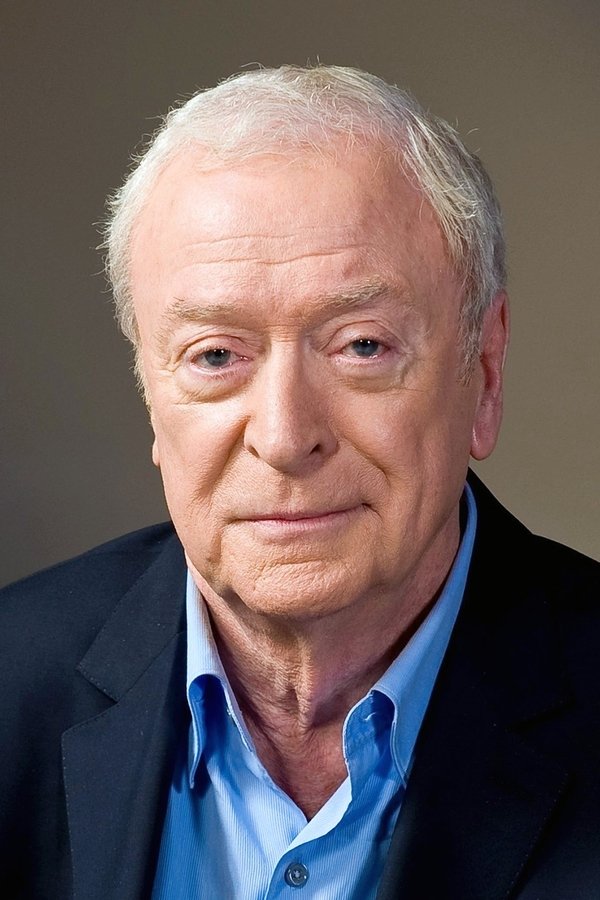
Michael Caine
Dr. Henry Jekyll / Mr. Edward Hyde

Cheryl Ladd
Sara Crawford
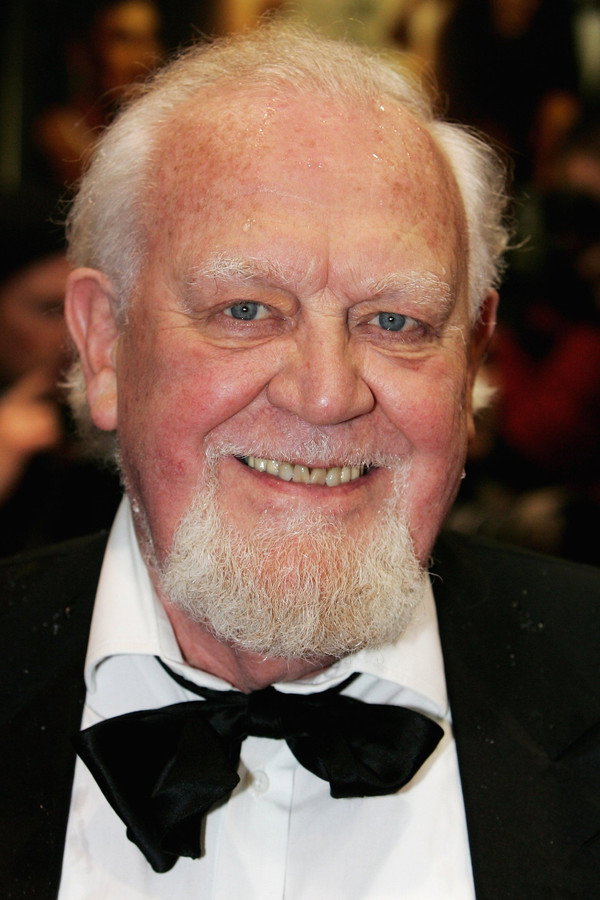
Joss Ackland
Dr. Charles Lanyon

Ronald Pickup
Jeffrey Utterson, Esquire

Diane Keen
Annabel

Kim Thomson
Lucy Harris

Kevin McNally
Sergeant Hornby

David Schofield
Snape

Lionel Jeffries
Jekyll's Father

Lee Montague
Inspector Palmer

Miriam Karlin
Mrs. Hackett
Articles You May Like
I'm Going to be Late
A short film that begins with the language of romance but slowly reveals something far more unsettling beneath the surface.
Women in Marvel: Marvel Films and TV Shows Dominated by Women
As many of us know, Marvel Studios has taken an interest in women-led superhero films, but some of us are oblivious to the women behind the camera and pen.
Straight Actors Playing Queer Characters Is Exhausting
It’s 2021 and what few LGBTQ+ films that are produced by major film studios continue to star cisgender heterosexual actors, rather than actual LGBTQ+ people.
Bergman Island Offers Ingmar Bergman’s Take on the Twenty First Century In Its Own Way
It’s the most loving tribute to cinema and to Ingmar Bergman, set in world that feels so habitable that I felt like only re-watching this for eternity, because of how inviting it looks and feels.
Underwhelming Presence
The movie opens with an empty house, cameras pan around from the perspective of what viewers are confused about at first, but turns out to be a spirit living in the home.