Light Language in Casablanca
What makes the lighting in Casablanca even more impressive is how it reflects the emotional states of the characters without needing explicit dialogue.

In I’m Going to Be Late, director Sophea Bethel presents a short film that begins with the language of romance but slowly reveals something far more unsettling beneath the surface. The film examines the fragile boundary between intimacy and control, asking how easily affection can shift into obsession. Rather than relying on overt exposition, Bethel builds tension through atmosphere, visual rhythm, and subtle emotional shifts that gradually reshape the viewer’s understanding of the story.
What makes the film particularly effective is the way it plays with familiarity. At first, the world of the film feels recognizable and comfortable. We see the college life, friendships, and the excitement that often accompanies new romantic connections. These moments are portrayed with warmth and naturalism, grounding the audience in a setting that feels believable and lived in. Yet even in these early moments, there is a quiet sense that something is not entirely stable. The film’s structure allows this tension to emerge slowly. Instead of revealing its intentions immediately, the narrative encourages the audience to experience the emotional trajectory alongside its protagonist. As the central relationship develops, the tone subtly shifts. Interactions that initially seem playful or affectionate begin to feel slightly more invasive.
The viewer becomes aware that the emotional dynamics at work are more complicated than they first appeared. This gradual shift is one of the film’s strongest qualities. Rather than presenting control and manipulation in an obvious or exaggerated way, I’m Going to Be Late explores how those dynamics can emerge quietly within everyday moments. The story suggests that loss of autonomy does not always happen dramatically. Sometimes it unfolds through small emotional adjustments that accumulate over time until a person begins to feel disconnected from themselves.
Visually, the film demonstrates a strong awareness of how atmosphere can support storytelling. Cinematographer Heather Radomski crafts images that feel carefully composed yet natural within the world of the film. Framing choices often place the protagonist in positions that subtly communicate emotional pressure or isolation. The camera does not rush through scenes. Instead, it lingers just long enough to allow the viewer to sense when something in the emotional landscape has shifted.
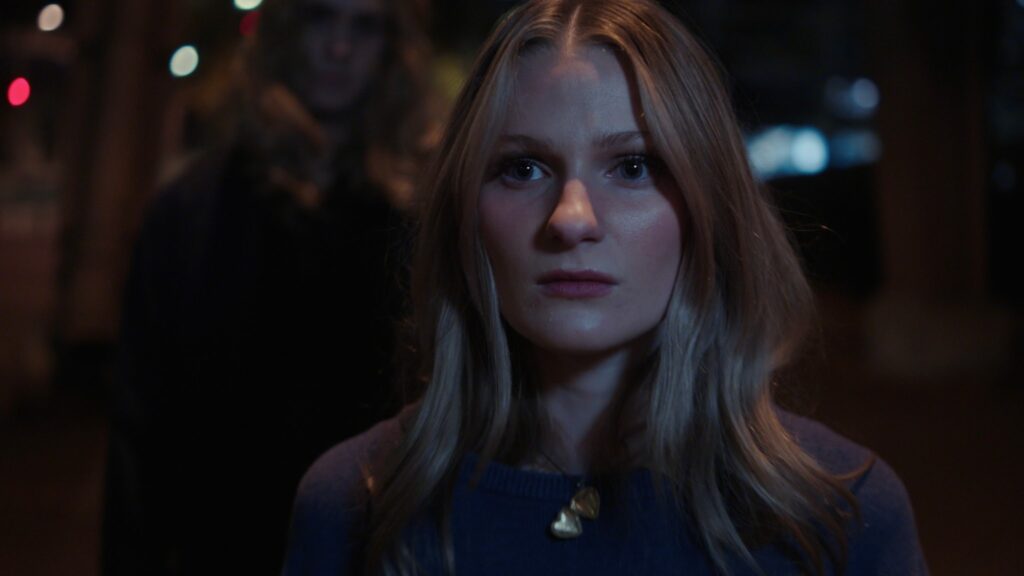
Lighting design also plays a crucial role in shaping the film’s atmosphere. Mia Scagnelli’s lighting work is particularly effective in guiding the emotional tone of each scene. Early moments are filled with brightness and openness that reflect the ease of everyday life. As the story progresses, however, the lighting becomes more controlled and deliberate. Creating a visual environment that mirrors the increasing psychological tension within the narrative. What is striking about the lighting is how it often signals emotional changes before they are fully expressed through dialogue or action. A shift in brightness or shadow can foreshadow a turn in the story, subtly preparing the audience for what may come next. The lighting does more than illuminate the scene. It becomes an active part of the storytelling process, shaping how viewers interpret the unfolding events.
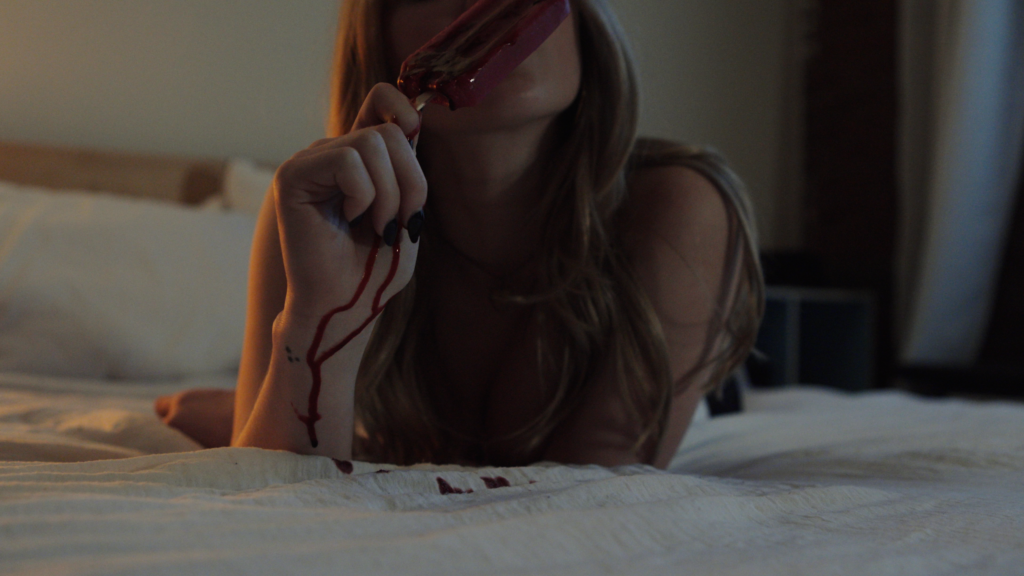
Another meaningful element of I’m Going to Be Late is the collaborative environment behind the film’s production. The project highlights the creative contributions of women across multiple departments, including direction, cinematography, and lighting design. This collaborative dynamic contributes to a sense of visual cohesion throughout the film. Each element feels aligned with a shared artistic vision, resulting in a short that is stylistically confident. The presence of women in these creative roles also brings a particular sensitivity to the film’s exploration of relationships and vulnerability. The story’s themes of control, identity, and emotional manipulation are approached with nuance rather than sensationalism. Instead of presenting the subject matter in a dramatic or exaggerated way, the film focuses on the quieter psychological realities that often accompany these experiences.
By the time the film reaches its conclusion, the atmosphere that has been building throughout the narrative leaves a lasting impression. The audience is left to reflect not only on what has occurred, but on the emotional dynamics that allowed those events to unfold in the first place. In this way, the film invites viewers to consider how easily romantic narratives can conceal more troubling realities. I’m Going to Be Late demonstrates a strong command of visual storytelling and thematic focus.